Payment Ecosystem Explained: Players, Flow, and Future Trends
What Is a Payment Ecosystem?
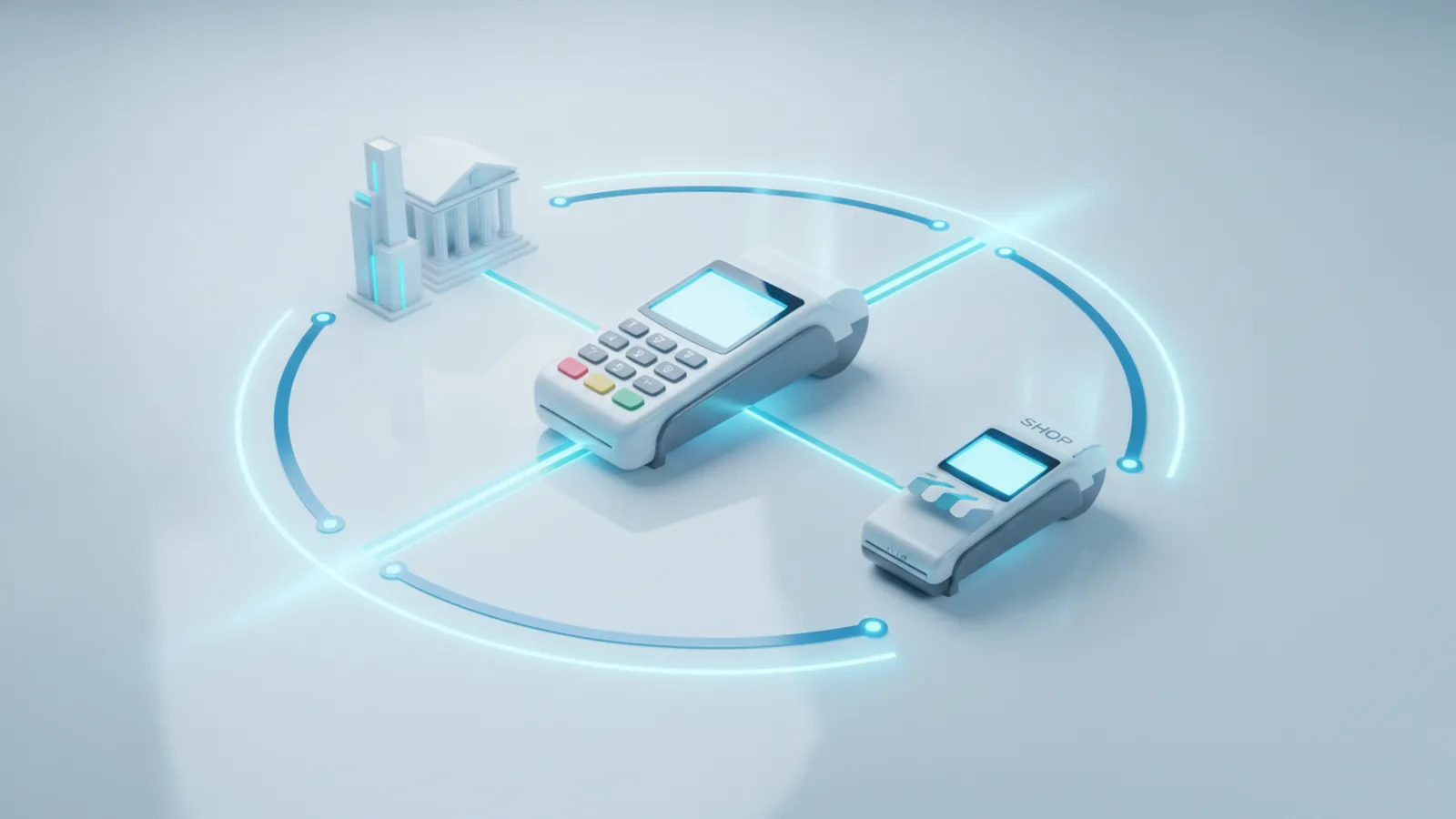
A payment ecosystem is the network of people, firms, banks, tools, and rules behind each payment. It moves money from a buyer to a seller with checks at each stage.
It covers cashless payments in shops, websites, apps, and subscription services. The payment processing ecosystem also handles fraud checks, refunds, disputes, currency exchange, and records.
This network matters because payment quality shapes sales and trust. A fast, safe checkout can lift completed orders. A failed payment can lose both revenue and a loyal customer.
For a growing firm, the ecosystem also sets its costs and reach. The right setup supports more cards, wallets, currencies, and sales channels. It can also give the firm better data about payment failures.
- Online payments: A buyer pays through a website or app.
- In-store payments: A buyer uses a card, phone, or cash register terminal.
- Mobile payments: A phone or wearable sends payment details near a shop terminal.
- Recurring payments: A firm charges a saved payment method on a set schedule.
The Main Parts of the Payment Network
Customers and businesses sit at the two ends of the payment chain. The customer starts the payment. The business provides the goods or service and receives the funds.
An issuing bank gives the customer a card or account. An acquiring bank serves the business and receives card payments for it. Both banks check account status and move funds during the payment process.
Payment networks link these banks. Visa, Mastercard, American Express, and Discover are well-known examples. Each network sets rules for message flow, fees, disputes, and risk checks.
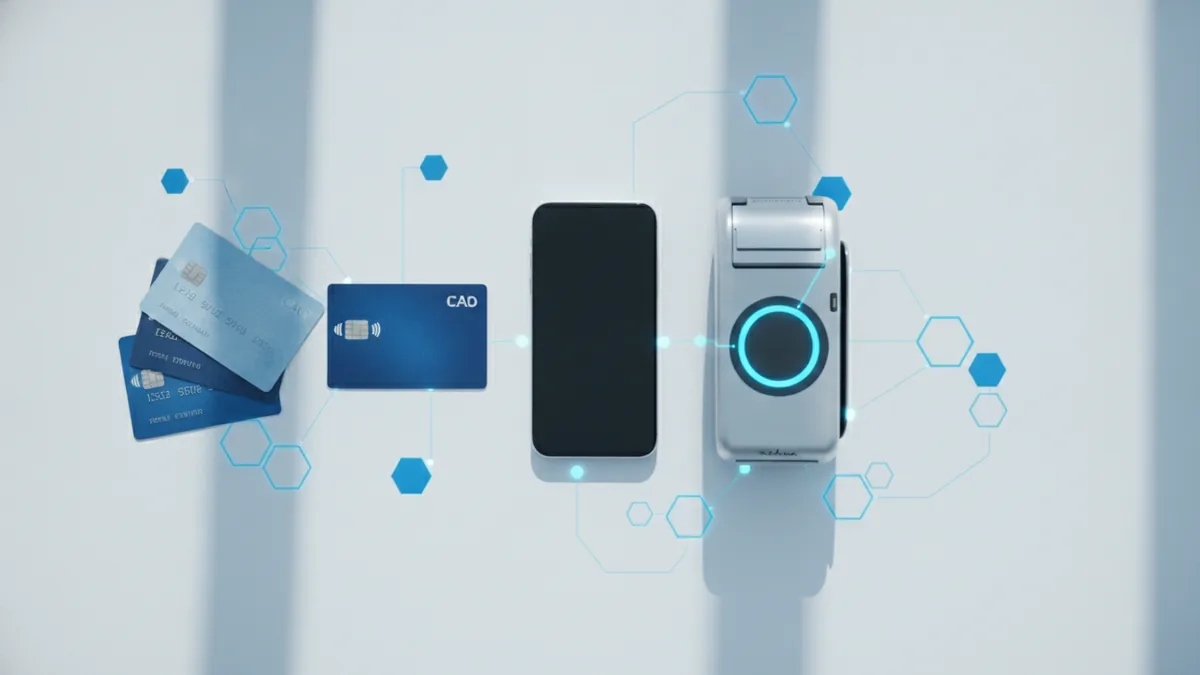
A payment gateway sends payment data from a checkout to the right payment processor. It can support cards, bank payments, wallets, and local methods.
In a wider merchant payment ecosystem, firms may add fraud tools, tax tools, billing tools, and payout services. These parts must work together. A weak link can cause failed payments or slow refunds.
| Component | Main role |
|---|---|
| Customer | Chooses a payment method and gives payment approval |
| Business | Requests payment and delivers the order |
| Issuing bank | Checks the customer account and approves or declines payment |
| Acquiring bank | Receives payments for the business and sends funds onward |
| Payment network | Routes messages and sets network rules |
How a Payment Moves From Buyer to Seller
The payment processing cycle starts when a buyer submits a payment. The gateway protects and sends the payment details to a processor. The processor then sends a request through the payment network.
The issuing bank checks the account, card status, spending limit, and risk signals. It returns an approval or decline. This step is called transaction authorization.
Approval does not mean the seller has the money yet. The business first sends approved payments for clearing. During clearing, payment records move between banks and the network.
Settlement comes next. The issuing bank sends funds through the network to the acquiring bank. The acquiring bank then pays the business, less agreed fees.

This flow often takes seconds for the buyer. Behind the scenes, records may settle later in batches. Refunds and disputes follow related paths in the opposite direction.
- Capture: The buyer submits payment details at checkout.
- Authorization: The issuing bank approves or rejects the request.
- Clearing: Banks exchange payment records and confirm amounts.
- Settlement: Funds move to the acquiring bank and then the business.
- Reconciliation: The business matches payouts with orders and fees.
Who Runs the Payment Ecosystem?
Payment processors provide the tools that send payment messages and manage payment data. They often connect businesses with banks and networks. Some also offer fraud checks, reporting, and payout tools.
Gateways focus on the checkout connection. They pass data from the customer-facing page to the processor. The payment gateway ecosystem can include hosted pages, token tools, risk checks, and support for many payment methods.
Independent sales organizations, or ISOs, help businesses find payment services. They may sell accounts, terminals, or support plans. Their role can vary, so firms should check fees and service terms closely.
Payment facilitators let businesses accept payments under the facilitator's main account. This model can speed up onboarding for small sellers. It also makes the facilitator responsible for more risk and rule checks.

Regulatory bodies and card networks shape the limits of the system. They set rules for data safety, customer rights, fraud, and dispute handling. Banks and payment firms must meet the rules that apply to their markets.
- Processors: Move payment messages and support payment operations.
- Gateways: Connect checkout pages with payment tools.
- ISOs: Resell or support payment services for businesses.
- Payment facilitators: Onboard sellers under a shared payment setup.
- Regulators: Set rules for safety, fairness, and consumer rights.
Trends Changing Digital Payments
Contactless payments now suit quick sales in shops, transit, and events. Near-field communication lets a card or device pay when held near a terminal. Tokenized data helps reduce the value of stolen card numbers.
Digital wallets store cards, bank accounts, tickets, and other payment tools. They can shorten checkout on phones and support one-touch approval. Their growth is a key part of the digital payment ecosystem.
Biometric authentication adds a face, fingerprint, or voice check. It can make approval easier while keeping the payment device in the buyer's hand. Firms must still offer safe backup steps when a scan fails.
Account-to-account payments are also gaining ground. They move funds from one bank account to another without a card network. Open banking tools can help customers approve these payments through their bank.
Businesses are also joining payment data with fraud and cash flow tools. Machine learning can spot odd payment patterns. Better risk tools can block fraud without blocking too many good buyers.
How Rules Shape Payment Security
Payment firms must protect personal data and payment details. The General Data Protection Regulation, or GDPR, sets data rules for people in the European Union. It covers lawful use, clear notices, access rights, and limits on stored data.
The Payment Card Industry Data Security Standard, or PCI DSS, sets security controls for card data. The standard covers access, system safety, monitoring, and testing. The PCI Security Standards Council's PCI DSS overview gives the current standard scope.
These rules affect how a business stores, sends, and shares payment data. Many firms use tokens so their systems do not hold raw card numbers. They also limit staff access and track key system events.
GDPR and PCI DSS do not replace good payment design. A firm still needs clear data flows, strong access checks, and a plan for incidents. It should also review vendors before sending them customer data.
What Comes Next for the Payment Ecosystem?
The future payment ecosystem will be more connected across stores, websites, apps, and bank accounts. Buyers will expect the same payment choices on every channel. Firms will need one clear view of orders, refunds, risk, and payouts.
Real-time account payments may lower costs for some use cases. They can also speed up refunds and seller payouts. Their growth will depend on bank reach, user trust, and strong fraud controls.
Privacy will guide the next stage of payment design. Firms will collect less data where possible. They will also need to explain why they collect data and how long they keep it.
For an enterprise payment ecosystem, scale alone is not enough. Firms need stable links, clear failure handling, and local payment support. They also need tools that help teams match payments to orders each day.
The strongest systems will hide complexity from the buyer. They will keep choice broad while making risk checks fast. That balance will shape payment growth across the next few years.
Frequently asked questions
What is a payment ecosystem?
A payment ecosystem is the full network behind a payment. It includes customers, businesses, banks, networks, payment firms, technology, and rules.
What is the difference between a payment gateway and a payment processor?
A gateway connects checkout to payment services. A processor sends payment messages and helps manage approval, settlement, fraud checks, and reports.
How does payment processing work?
Authorization checks whether a payment can proceed. Clearing exchanges payment records. Settlement moves the funds to the acquiring bank and business.
What are the main trends in digital payments?
Contactless cards, digital wallets, biometric checks, and account-to-account payments are major current trends. Firms are also adding better fraud tools.
How do GDPR and PCI DSS affect payment systems?
GDPR sets rules for personal data in the European Union. PCI DSS sets security controls for card data. Both affect payment data storage and access.
What do issuing and acquiring banks do?
Issuing banks serve customers and approve payment requests. Acquiring banks serve businesses and receive card funds for them.