Payment Systems Explained: Types, Technology, and Future Trends
What Are Payment Systems?
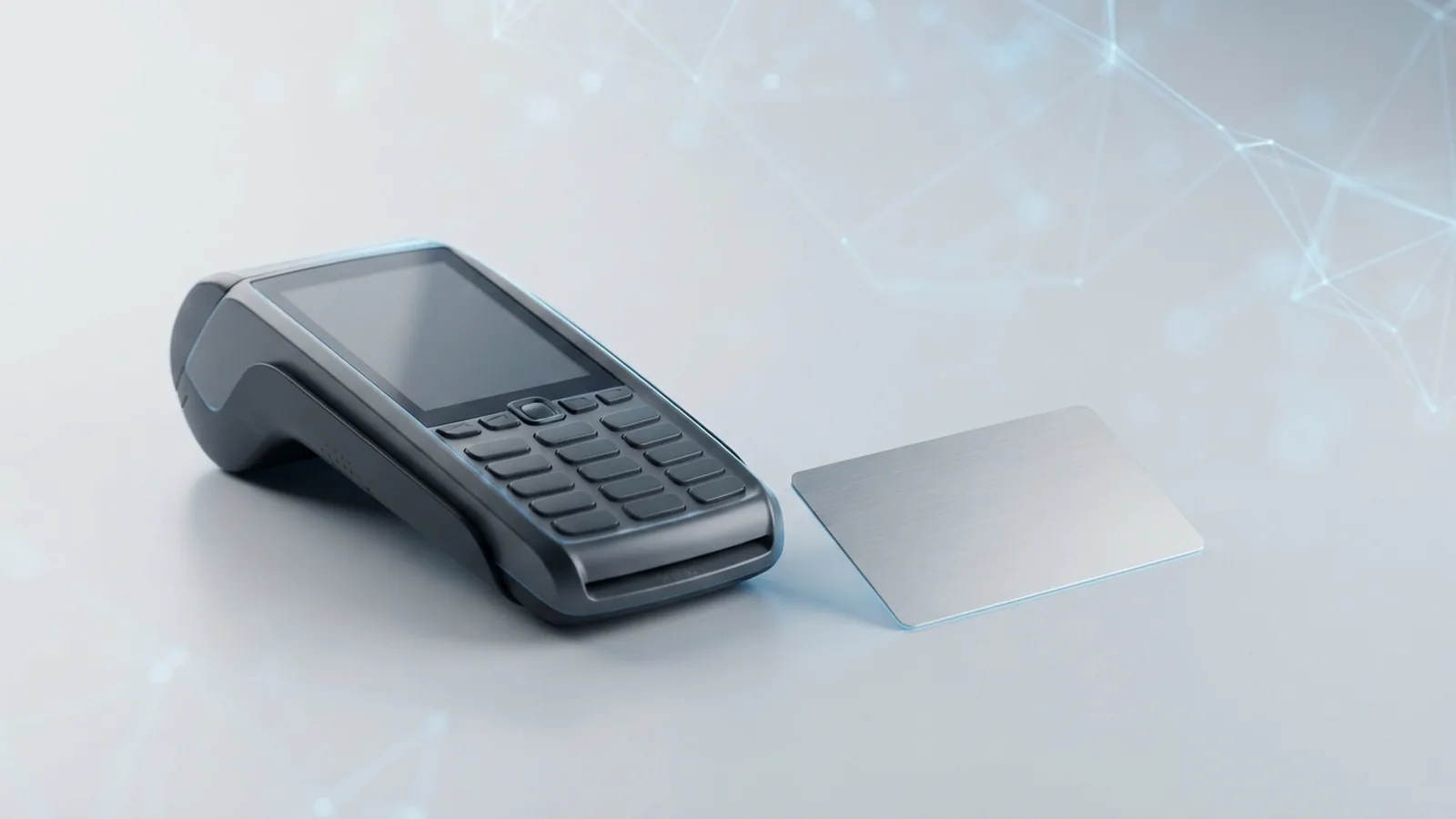
Payment systems are the rules, tools, and networks that move money.
They connect buyers, sellers, banks, and service firms. A payment may finish in seconds. Many steps still run behind the scenes.
The system checks details, seeks approval, moves funds, and records the result. It may also manage refunds, disputes, and fraud checks.
These systems support trade, wages, bills, public services, and global commerce. They also support financial inclusion through digital financial services.
The Bank for International Settlements payment systems overview explains their role in safe financial markets. Strong systems build trust between each party.
- Customers gain more ways to pay.
- Merchants can sell in stores, apps, and websites.
- Banks can move funds and check risk.
- Public bodies can collect fees and send grants.
Payment systems in the US rely on cards, bank transfers, wallets, and cash. Many firms also support real-time payments.
When people ask, “Are payment systems down today?” they often mean one network or provider. A single outage does not mean all payment systems are down.
The wider payment system network links banks, payment firms, card networks, and merchants. Each part must work well for funds to move without delays.
Types of Payment Systems
Payment systems differ by user, setting, and payment method. Commercial payment solutions serve shops, online firms, and large businesses.
Commercial payment systems may include card readers, bank transfers, billing links, and stored wallets. They often connect sales, stock, finance, and support tools.
Payment systems used in ecommerce must handle orders, refunds, failed payments, and fraud checks. On line payment systems also need smooth checkout on small screens.
Online payment processing covers the steps from checkout to approval. It may use a hosted page, an app link, or an embedded form.
Vending payment systems support sales from machines without staff. Laundromat payment systems link a payment with machine use and cycle time.
Bill payment systems help people pay rent, power, phone, tax, and other bills. Transportation payment systems support fares through cards, phones, accounts, or travel passes.
| System type | Typical use | Main need |
|---|---|---|
| Commercial payment systems | Retail and online sales | Fast approval and clear reports |
| Vending payment systems | Unattended machines | Small, quick, reliable payments |
| Bill payment systems | Household and public bills | Easy repeat payments |
| Hospital payment processing | Care, claims, and patient bills | Privacy and accurate records |
| Clinical trial payment solutions | Study grants and participant pay | Traceable, timely payouts |
Parking lot payment systems show how one setting shapes system design. They may support plates, cards, mobile wallets, or RFID payment systems.
Parking garage payment systems must handle entry, exit, lost tickets, and refunds. Taxi payment solutions need fast approval during short rides.
Other focused tools include club payment systems, tenant payment systems, and payment kiosks systems. Each one must match its users and setting.
Innovations in Payment Technologies

Many innovations in payment systems aim to make checkout faster and safer. Mobile payments let customers pay with a phone, watch, or app.
Digital wallets store cards or bank links in a secure account. They can speed up repeat purchases and reduce the need to enter card details.
Touchless payment systems use a short-range radio link. A customer taps a device near a reader.
Near-field communication, or NFC, handles many tap payments. An RFID payment system uses radio waves to identify a tagged device or card.
Smartphone payment systems can also support transit, food orders, and peer transfers. Tablet payment systems suit pop-up shops and mobile work teams.
Biometric payment solutions use a body trait to confirm a user. These traits may include a face, finger, or palm pattern.
Biometric payment systems can lower card theft and reduce the need for a passcode. They also raise concerns about consent, storage, and access.
The NIST digital identity guidelines offer trusted guidance on identity checks and user privacy. Firms should keep a safe backup method.
Digital currencies and payment systems offer another way to move value. A shared ledger can record transfers without one central record keeper.
These tools still face price swings, tax rules, wallet loss, and slow settlement. Firms must weigh each gain against the added risk.
How Payment Systems Integration Works
Payment systems integration links a payment tool with sales, account, stock, and support tools. A strong build starts with the full payment flow.
Map each step from order creation to approval, settlement, refund, and dispute. Mark the data that each step needs.
Teams then choose a connection method. An application programming interface lets software send and receive payment data.
A hosted checkout can reduce the data held by the merchant. A direct connection can offer more control over the customer journey.
Good payment systems software should support clear logs and safe retries. It should also show why a payment failed.
Integrated payment systems should share order and refund data with finance tools. This reduces manual work and helps teams spot gaps.
- Map the payment journey and list each data handoff.
- Choose a provider that fits your markets and payment types.
- Test approvals, declines, refunds, timeouts, and duplicate requests.
- Protect private data and limit staff access.
- Watch results after launch and fix weak points.
Payment systems consulting can help firms compare tools and plan this work. A payment systems company may also supply software, support, or merchant services.
Payment systems merchant services often bundle account setup, card acceptance, reports, and risk tools. Review the full cost before signing a long contract.
Advantages of Modern Payment Solutions
Modern systems can speed up checkout and reduce work for staff. Faster approval helps firms serve more customers during busy periods.
Customers gain choice across cards, wallets, bank transfers, and mobile devices. That choice can improve access and reduce abandoned carts.
Strong security tools can flag unusual activity before a loss grows. Token use can also reduce the need to store raw card details.
Clear reports help owners track sales, fees, refunds, and cash flow. Payment systems business management becomes easier when data sits in one view.
- Faster checkout and quicker fund access
- More payment choice for customers
- Better records for finance teams
- Lower manual work and fewer errors
- Stronger tools for fraud review
Interchange payment systems can affect the cost of card acceptance. Interchange fees are paid between banks during card payments.
Firms should compare approval rates, fixed fees, refund costs, and support. The cheapest rate may not deliver the lowest total cost.
Challenges, Outages, and Payment Rules
Payment systems must balance speed with safety. Fraud teams need useful signals without blocking good customers.
Outages can affect a bank, gateway, card network, or local link. A backup route can keep sales open when one path fails.
Firms should track decline rates and failed retries. They should also share clear updates when payment systems are down.
Payment systems regulation differs by market and payment type. Rules may cover privacy, identity checks, funds, reporting, and customer rights.
In the USA, firms may search for usa payment services, us payment systems, or payment systems in USA. These labels cover many different providers and rules.
Other markets use their own models. Firms may compare Chinese payment systems, the India payment system, Australian payment systems, and payment systems in Turkey.
Cross-border work adds currency, tax, data, and settlement issues. Payment systems international teams need local advice before launch.
Some searches mention a payment systems regulation act or a payment and settlement systems act 2007. Names and dates can differ by country.
Check the rule text for the target market. Do not rely on a payment systems blog, book, or loose search summary.
Payment Systems Across Sectors and Borders
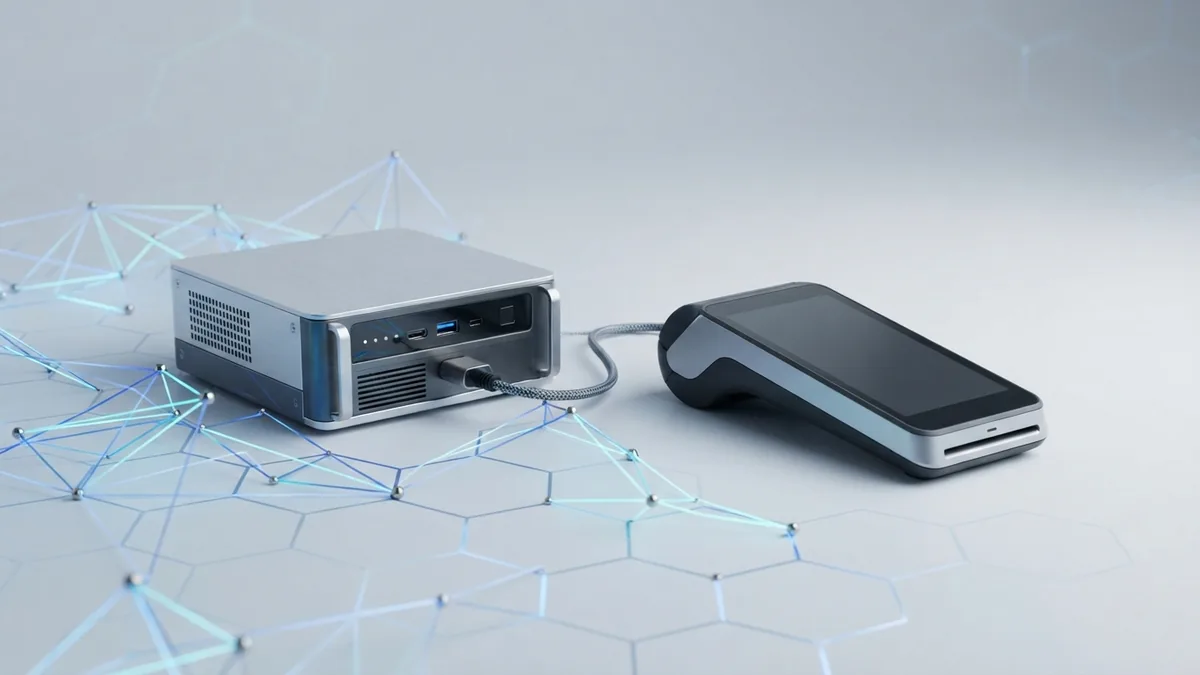
Sector needs shape the best payment design. A hospital may need payment plans, claims links, refunds, and strict access control.
Medicare payment systems must handle public funding rules and careful records. Hospital payment systems must also support patients with different needs.
Clinical trial payment systems need clear payment dates and proof of receipt. They may send funds to sites, staff, or study participants.
Freelance payment systems often support invoices, tax records, and cross-border payouts. Tenant payment systems may offer repeat rent payments and late notices.
Car park payment systems focus on short sessions and smooth exit. Taxi payment solutions focus on speed, weak signal coverage, and simple receipts.
A Chinese payment system may rely on local wallets and bank links. An India payment system may use instant bank rails and mobile tools.
Payment systems in Russia and other markets may face local access limits. A worldwide payment systems plan must account for each market's rules.
Payment and settlement systems connect the first payment with the final movement of funds. That back-end link matters for cash flow and risk.
Future Trends in Payment Systems
The evolution of payment systems will likely bring more real-time payments and smarter risk checks. The evolution payment systems show today began with cash, cards, bank rails, and online tools.
The history of payment systems helps explain this shift. Each new method aims to cut friction while keeping trust.
Artificial intelligence can spot unusual payment patterns at speed. It may also help route payments and reduce false declines.
Human review still matters for hard cases. A model can make a wrong call when data lacks context.
Blockchain may help with shared records and some cross-border flows. It is not a cure for weak rules, poor access, or bad data.
Future systems may blend wallets, bank rails, cards, and account payments. Security payment systems will need layered checks across every channel.
Firms should build for change rather than chase each new tool. Open connections, clear logs, and strong support create a safer base.
Use this payment systems outline to guide a review. Start with customer needs, then test cost, risk, speed, and reach.
Frequently asked questions
What are payment systems?
Payment systems are the rules, tools, and networks used to move money. They support approval, settlement, refunds, records, and fraud checks.
What are common types of payment systems?
Common types include card payments, bank transfers, digital wallets, bill payment systems, vending systems, and mobile payments.
How do payment systems integration projects work?
Teams map the payment flow, choose a provider, connect business tools, and test each outcome. They then track errors, refunds, and payment declines.
Are payment systems down today?
An outage may affect one bank, provider, gateway, or card network. Check the provider status page and keep a backup payment route.
What are biometric payment solutions?
Biometric payment solutions use traits such as a face, finger, or palm pattern to confirm a user. They need clear consent and strong data safeguards.
What should a business check before choosing a payment system?
Compare fees, approval rates, supported markets, security tools, refunds, reports, and support. Test the full payment flow before launch.