How to Build a Payment Gateway (Steps, Security, Compliance)

Understanding payment gateways (and where they fit)
A building a payment gateway starts with one key idea. A payment gateway is the secure layer that moves payment data from checkout to the next step. It supports ecommerce transactions by handling message delivery and status updates.
In a typical setup, your store app sends a payment request to the gateway. The gateway then talks to a payment processor for checks and routing. The processor and banks handle approvals and settlement.
This split matters during payment gateway development. The gateway should focus on security protocols, API integration, and clear results for your app. The processor should focus on authorization rules and money movement.
Payment transaction flow in plain terms
When you design a custom payment gateway, map the states you must store. You also need to map events that move between those states. Below is a common flow that still holds across many payment processing solutions.
| Stage | What happens | Typical role |
|---|---|---|
| Checkout | Buyer submits payment details | Store app |
| Gateway request | Data is tokenized or protected | Payment gateway |
| Authorization | Approve or deny the payment | Processor and bank |
| Gateway response | Status is returned to your app | Gateway and processor |
| Settlement | Money is moved to your account | Processor and bank |
Clear states make code safer and debugging faster. They also support reliable retries and webhook handling.
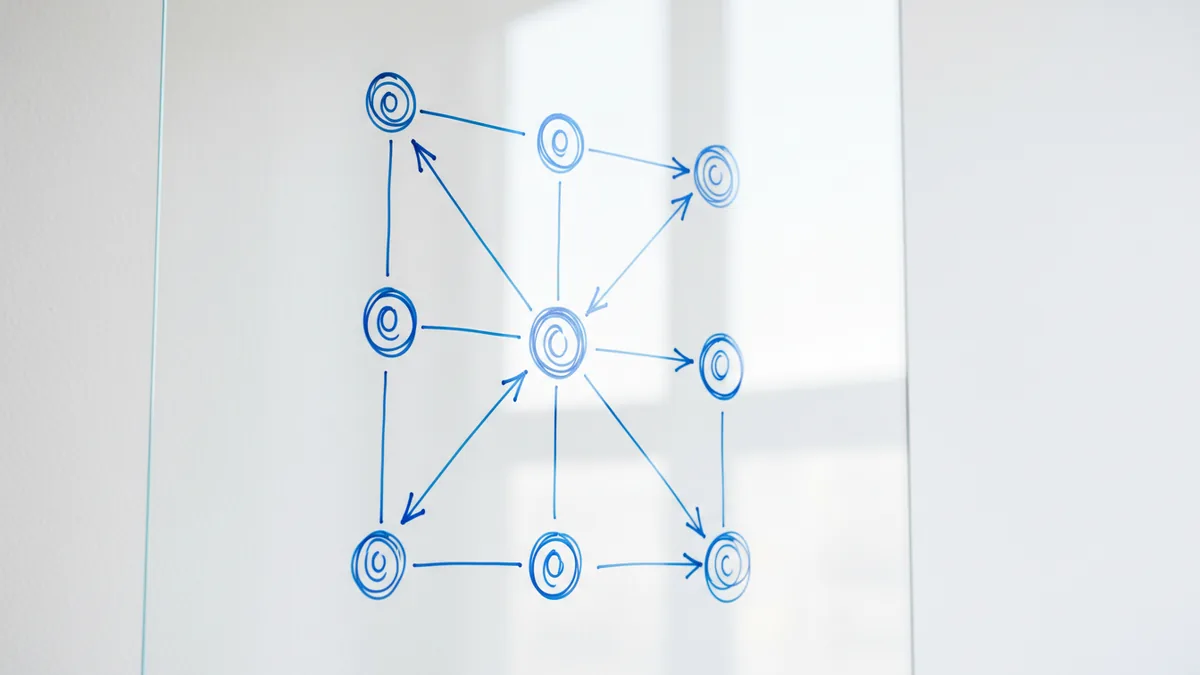
Benefits of building your own gateway
A custom payment gateway is a good fit when you need control. You may want rules that match your risk team’s model. You may also want one API surface for web, mobile, and partner flows.
Teams also build for cost and speed. With careful routing and retry control, you can reduce failed tries. That can lower the overall effect of transaction fees and decline handling.
Another benefit is consistency. A single internal model can hide differences between payment processor APIs. That improves customer experience enhancement because customers see fewer broken flows.
- More control over payment transaction flow through custom routing and message rules.
- Lower operational waste by cutting bad retries and soft decline loops.
- Unified API integration for checkout, refunds, and status lookups.
- Better fraud detection measures that match your own signals.
Some builders also want to support portable flows. For example, portable building payment options can help when you move the same customer contract across channels. You can also reuse the same gateway core when you add new payment methods.

Challenges and considerations before you start
The first barrier in payment gateway development is security and proof. If you handle card data, you must follow PCI DSS compliance. That includes limits on what you store and how you secure it.
Security risk is close behind compliance. You need strong key handling, strict access controls, and safe logs. One bad configuration can leak secrets or payment data.
Operational risk is also real. Payment traffic spikes happen, and processor links can fail. You must build for timeouts, retries, and idempotency so you avoid double charges.
What makes gateway builds hard in day-to-day engineering
You will see messy edge cases in production. One common case is “approved” from the processor, but your webhook intake fails. In that case, your order state can drift unless you reconcile correctly.
You also need idempotency. If the same request runs twice, the system must not create two captures. That is essential for building payment schedule flows too.
Finally, processor behavior differs across providers. Errors and callbacks rarely match one another. Your gateway must translate each provider’s signals into one internal model.
Even if your business is not about construction, payment logic still needs careful UX. For example, down payment for building a house plans often require careful capture timing. The same is true for down payment for apartment building contracts.

Step-by-step guide to building a payment gateway
To create a payment gateway safely, start with scope. Pick the payment methods and the first regions you will support. Set measurable goals like approval rate, max latency, and timeout behavior.
Next, design your payment transaction flow states. Define what you store for each state and what events move forward. Then define the API and event contracts for your app and partner systems.
Finally, plan deployment and testing as part of development. You should test failure paths, not only success. That is where most payment issues hide.
- Plan scope and architecture. Choose payment types, regions, and checkout style. Decide if you use token based checkout or a hosted page.
- Select payment processors. Get test access and review webhook docs. Confirm your “success” and failure handling rules.
- Build secure request handling. Protect data in transit and limit sensitive storage. Use tokenization so your system stores less risk.
- Create core services. Add checkout request handling, routing, webhook intake, and status lookup. Add idempotency keys for every payment attempt.
- Implement reconciliation. Reconcile gateway status with processor events. Use background jobs to repair drift after outages.
- Launch with staged rollout. Enable the gateway for small traffic first. Monitor error rates, latency, and customer completion rates.
If you serve property deals, plan for schedule logic early. A building payment schedule can change what you capture and when. You may also need a building payment calculator to compute due amounts for each milestone.
For construction contexts, some teams model contract rules using text from local law. Terms like building and construction security of payment act or building and construction industry security of payment act can affect payment timing. Your gateway should support the schedule rules your product requires, even when those rules come from policy.
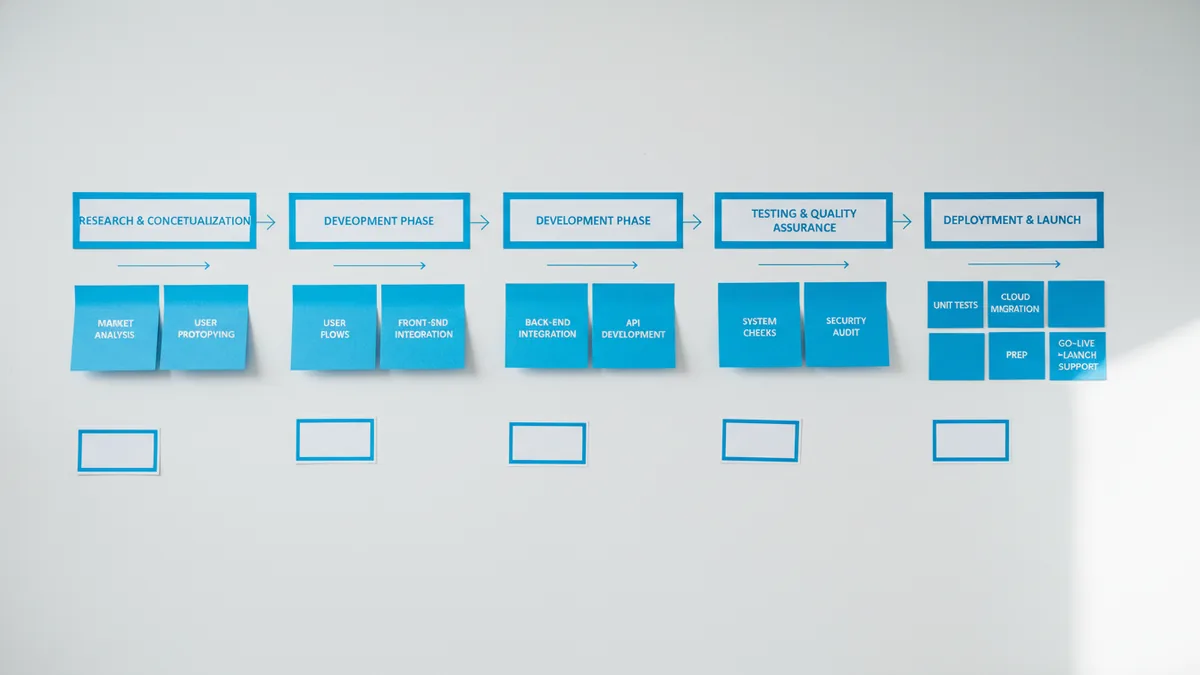
Technology and compliance requirements
When you build payment systems, the goal is predictable security. That starts with PCI DSS compliance and strong security protocols. Most teams avoid storing raw card data by using tokenization and limited handling.
At the platform layer, use encryption in transit and strict access controls. Store only what you need to process payments. Then protect that data with short access windows and audited changes.
Your gateway also needs safe operational practices. Log payment events with care and remove sensitive fields. Use monitoring that tracks timeouts, webhook failures, and retry counts.
Implementation details that reduce risk
- Idempotency keys for each payment action and retry attempt.
- Webhook signature checks before you accept status updates.
- Tokenization strategy so you reduce exposure in your systems.
- Replay safe handlers for duplicate webhook deliveries.
- Clear audit trails for support teams and finance matching.
Security is not only technical. You also need review gates for changes and incident response playbooks. That helps you keep trust when payment processing solutions evolve.
Improving customer experience and integration outcomes
A gateway should feel invisible to customers. They should not notice retries or status repair jobs. Your app can show clear progress and consistent outcomes.
Integration also drives experience. If your API integration is stable, partner teams ship faster. They can also build new payment flows without rewriting the payment transaction flow.
Support matters here. When something fails, your internal state should tell support what to do next. That means capturing the payment gateway development decisions you made, not only raw processor codes.
For construction contracts, you can improve clarity with schedule tools. A down payment on building a house flow often needs visible milestones and due dates. The same is true for down payment on apartment building deals.
And if you offer portable services, the same contract model can travel across channels. That helps with portable building payment options where customers switch devices or sales partners. Your gateway then keeps one truth for each payment schedule item.
Future trends in payment gateways
Digital payment trends keep shifting, and gateways must adapt. More businesses add mobile payment solutions and new wallets. Some also explore cryptocurrency payments for specific markets.
Fraud detection measures will also keep evolving. Many teams add signals from device data, behavior, and risk scoring. Your gateway must pass those signals safely to the right services.
Finally, payment platforms keep moving toward better automation. Automation reduces manual repair work during outages. It also helps you scale your payment processing solutions without growing headcount.
As you plan your next version, keep your internal model stable. Then swap routing, processors, and rules behind it. That is how custom payment gateway projects stay maintainable.
Frequently asked questions
What is a payment gateway and what does it do?
A payment gateway securely carries payment data from checkout to the payment processing layer. It also returns status updates so your app can update order state.
Do I need a payment processor to build a payment gateway?
Yes in most setups. Your gateway typically routes requests to a payment processor, which coordinates with banks for authorization and settlement.
How do I create a payment gateway that is PCI DSS compliant?
Limit sensitive card storage and follow PCI DSS controls for data handling. Use tokenization and protect logs, keys, and access paths.
What is idempotency in payment gateway development?
Idempotency prevents duplicate charges when retries happen. Your gateway should use idempotency keys for each payment attempt.
How do I handle a building payment schedule in a gateway?
Model each milestone as a separate payment event with clear capture rules. Track schedule items in your system and reconcile them with processor status updates.
What should I monitor after deployment of a custom payment gateway?
Monitor webhook delivery success, timeout rates, reconciliation drift, and customer completion steps. Also track approval outcomes and error codes by provider.