Payment Card Solutions Explained: Processors, Networks, PCI DSS, and V

Understanding payment card solutions
Payment card solutions help you take card payments and get paid. They cover the full path from checkout to money in your bank. Without them, a card swipe or online buy has no clear route.
A payment card solution usually ties together several roles. You pick payment card services that connect to payment card processors. Those processors use a payment card network to reach the card issuer.
Think in layers. Each layer has a job. Move from the store to the banks in a clear flow.
- Entry: a payment card terminal, mobile app, or checkout page.
- Processing: authorization and capture logic.
- Network: shared rules for card messages.
- Security: controls that protect card data.
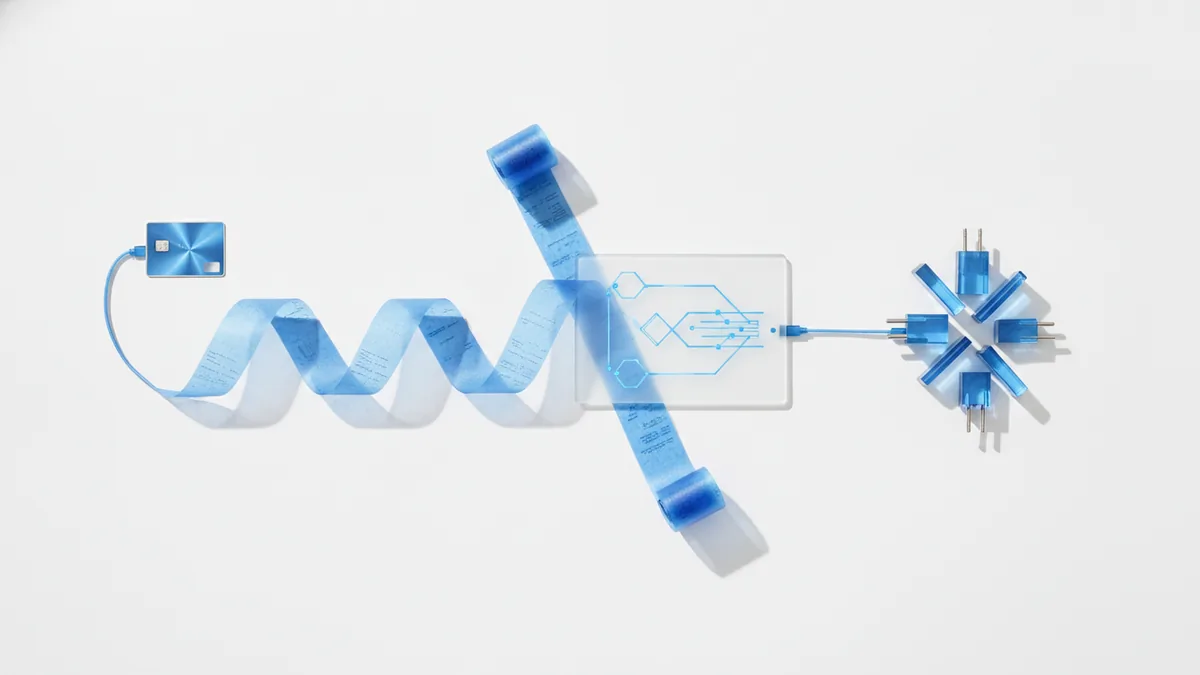
Types of payment card processors
Payment card processors run the core “plumbing” for payment card processing. They send requests, handle replies, and track batch work. Many also run checks for risk and fraud.
There are three common types you will see. Each fits a different sales channel. The main difference is how card data is sent.
Traditional payment card processors
Traditional processors support in-store payment card terminals. They work well for swipe, dip, and tap use cases. EMV is the chip-based standard that helps verify card use.
These setups also produce clear end-of-day totals. Staff can match what sold to what was settled. That reduces guesswork in daily ops.
- Best fit: retail, bars, and in-person services.
- Output: batch reports for settlement.
- Focus: secure device setup.
Mobile payment card processors
Mobile processors help you take payments on a phone or tablet. A small reader pairs with the device for tap or dip. This supports mobile payments for field work and pop-up sales.
Mobile can add new risk points. You must lock down the app and the device. You must also watch data handling during bad or slow links.
- Best fit: on-site services and sales teams.
- Focus: reader pairing and app access.
- Must have: safe card data handling.
Online payment card processors
Online processors handle card-not-present sales. A payment gateway is the bridge to your checkout. It sends card data to the processor for an approval step.
Online also needs strong fraud checks. Most teams rely on token use and risk rules. These help cut bad buys and lower disputes.
- Customer pays on your checkout page.
- The gateway sends the data to the processor.
- The processor routes the request to the network.
- The issuer replies, and the page shows the result.
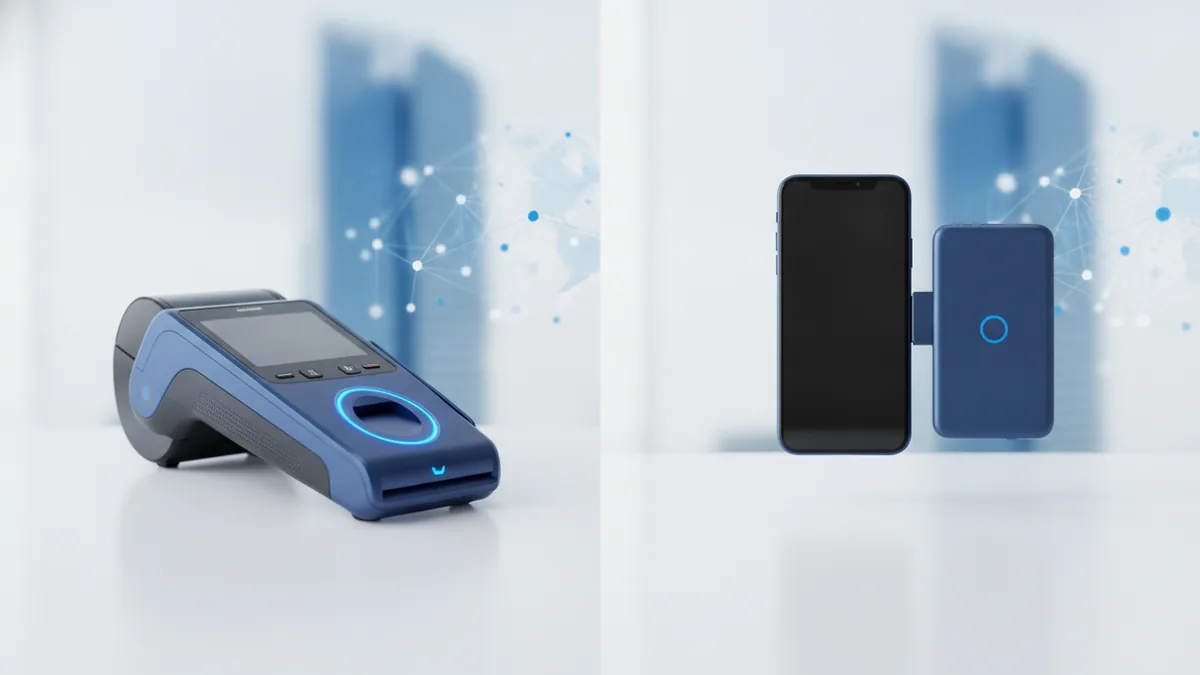
Why payment card networks matter (and how they operate)
A payment card network moves card payment messages between banks. It is the shared “road” for card requests. It also helps send replies back to the merchant side.
The network matters because banks do not connect to every store. Instead, they follow one shared set of rules. That lets many payment card and third party network transactions work across many groups.
In most flows, the merchant’s side talks to the network. The network then finds the right issuer. The issuer decides based on funds and rules.
What happens in a simple authorization
Authorization is the step where the issuer says yes or no. The processor sends the request to the network. The network routes it to the right issuer.
If the issuer approves, the processor lets your checkout move on. If it declines, your system shows the decline state. Speed and routing can affect the wait time.
| Stage | Who acts | Why it matters |
|---|---|---|
| Send request | Processor | Gets a yes/no answer |
| Route | Payment card network | Finds the right issuer path |
| Decide | Issuer | Checks funds and risk |
| Return result | Processor and gateway | Updates your checkout |
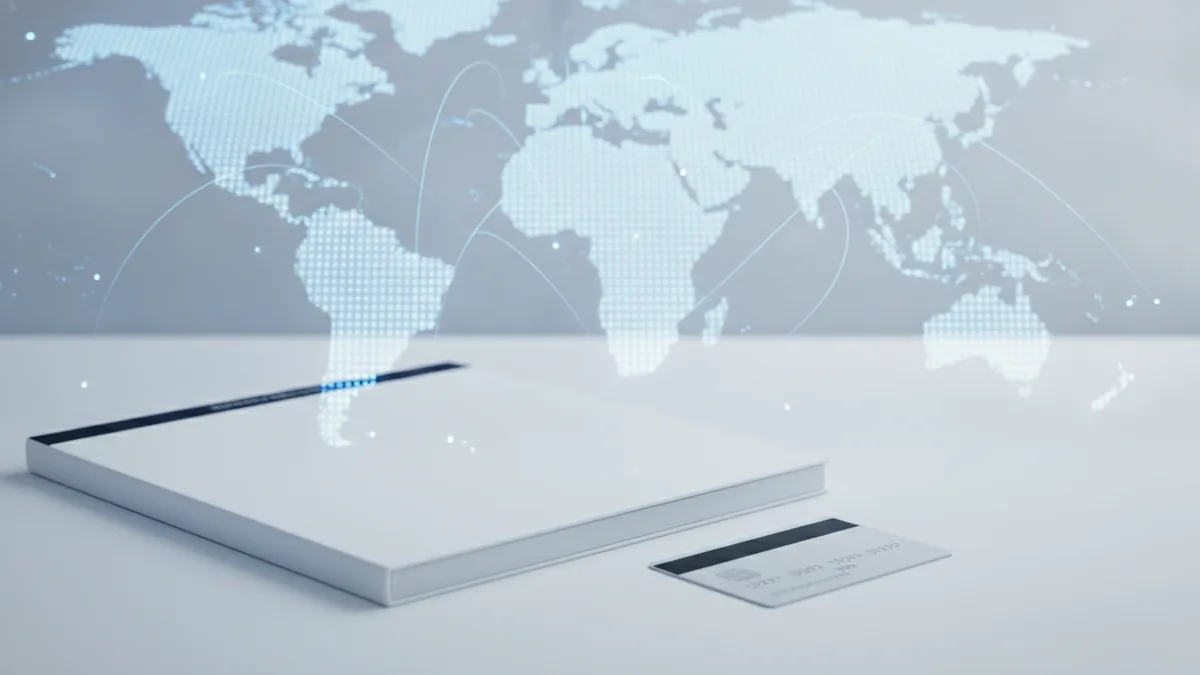
PCI DSS and the goal of payment card industry data security standards
Payment card industry data security standards set rules to guard card data. PCI DSS is the main standard set for this. It aims to cut card data theft across the whole flow.
The payment card industry data security standard was developed to protect card data end to end. That means every group that touches card data must follow set controls. This includes processors, gateways, and some merchant systems.
PCI compliance is also about scope. Scope is what systems must follow the rules. Many payment card services reduce scope by using token use and hosted forms.
- Keep data out: store less card data when you can.
- Lock access: only let needed staff access systems.
- Use safe links: encrypt data in transit.
- Track actions: log and watch for odd use.
When you compare payment card services, ask about token rules and data paths. Ask what your servers receive, and what they never see. This helps you plan PCI compliance with less pain.
For official PCI DSS resources, see PCI Security Standards Council resources on PCI DSS.
Benefits of virtual terminals for payment card processing
Virtual terminals for payment card processing let staff take cards without a reader. Instead, staff key in details in a secure app view. This is common for phone orders and invoice pay.
A virtual terminal can also help you run refunds and reversals. Many tools track each action for audit trails. That reduces mistakes and helps keep records clean.
It also supports more consistent work. One place means one set of rules. That can cut time spent on manual fixes.
Common virtual terminal features
- Manual entry: key in card data via a secure flow.
- Auth and capture: approve and then capture later if needed.
- Refunds: send money back with clear logs.
- Receipts: send clear pay notes to customers.
- Exports: pull daily totals for your books.
Good reporting can also help with fee checks. You can match totals to batches and periods. That improves your fee control work over time.

Challenges in payment card processing fees
Payment card processing fees can feel hard to predict. Most pricing has multiple parts. Costs can change with card type, risk, and your mix of sales.
Merchant discount fees often include card interchange fees. Interchange is set by card rules and card type. Merchant discount antitrust litigation has also discussed how these costs work in practice.
So you may see “the same” sale priced in different ways. That can happen due to coding and card category. It can also happen due to your risk results.
Fee challenges to plan for
- Many parts: interchange, assessments, and processor markup.
- Hard links: totals are easy, but each cause is not.
- Rate shifts: fees can change with volume and risk.
- Dispute costs: chargebacks can raise fees and work.
To manage fees, demand clear fee breakouts from your provider. Ask how they show interchange and assessments. Then match those lines to your sales by day and channel.
Also invest in fraud prevention systems that match your store. If you block too much, you lose sales. If you block too little, disputes rise.
Future trends in payment card services
Payment card services keep moving toward more speed and safer data flow. Many teams want one place for many tasks. That means checkout, billing, risk work, and reports in one system.
Network routing is also getting smarter. Providers try to raise approval rates while keeping costs in check. That can matter most when you run both in-store and online.
Token use will keep growing for online and mobile payments. This helps reduce the value of stolen data. It also helps with PCI compliance by limiting what you store.
- Smart routing: route by cost and approval data.
- Better fraud work: use risk signals to cut false declines.
- Unified views: see fees, disputes, and sales together.
- More mobile use: faster tap and smoother checkout.
When you pick a provider, map your next sales move. If you plan new channels, check processor support now. It is easier to scale when your payment card system stays stable.
Quick FAQ on payment card solutions
What are payment card solutions and what do they include?
Payment card solutions are tools and partners that take card payments. They cover entry points, processors, networks, and security steps.
How do payment card processors differ from payment gateways?
Payment gateways connect your checkout to the processor. Payment card processors run the key auth and settlement steps.
What is PCI DSS and why does it matter?
PCI DSS is a rule set for safe card data handling. It reduces card data theft and helps firms meet PCI compliance.
When should a business use a virtual terminal?
Use a virtual terminal when you need payments without a reader. It fits phone orders, invoices, and service billing.
Why do merchant discount fees vary?
Merchant discount fees vary by card type and deal terms. Interchange and risk factors can shift the final total.
What should you check when comparing payment card services?
Check fee reports, refund tools, and PCI scope support. Also confirm what data hits your systems and what stays out.
Frequently asked questions
What are payment card solutions and what do they include?
Payment card solutions include the tools and partners used to accept, authorize, and settle card payments. They typically involve entry devices or checkout, processors, networks, and security controls.
What are the main types of payment card processors?
Common types include traditional processors for card terminals, mobile processors for handheld readers, and online processors for checkout flows. Each type supports the same approval-and-settlement goal with different data paths.
How does a payment card network work?
A payment card network is the standardized messaging layer that routes authorization and related instructions between institutions. It helps connect the merchant’s acquirer to the card issuer.
What is PCI DSS and why does it matter?
PCI DSS, the payment card industry data security standard, sets rules to protect cardholder data. It helps reduce breaches by defining how organizations handle sensitive payment information.
What are virtual terminals for payment card processing?
Virtual terminals let staff take card payments by keying details into a secure online or app interface. They are useful for phone orders, invoices, and service workflows.
Why do merchant discount fees change from one merchant to another?
Merchant discount fees depend on fee components like interchange and assessment categories. Your transaction mix, risk factors, and contract terms can shift the effective total.