How Payment Systems Work: Components, Auth, and Transaction Flow

How payment systems work, in plain terms
Payment systems move money safely from a payer to a payee. They do this by passing requests through several trusted roles.
When you pay in a shop or online, the path is not one straight line. Your payment uses steps that check identity and funding first.
That is the core answer to how payment systems work. The rest is understanding the pieces and the order.
In this guide, you will see payment processing systems from start to finish. You will also learn the transaction flow in payment systems and where fraud checks fit.
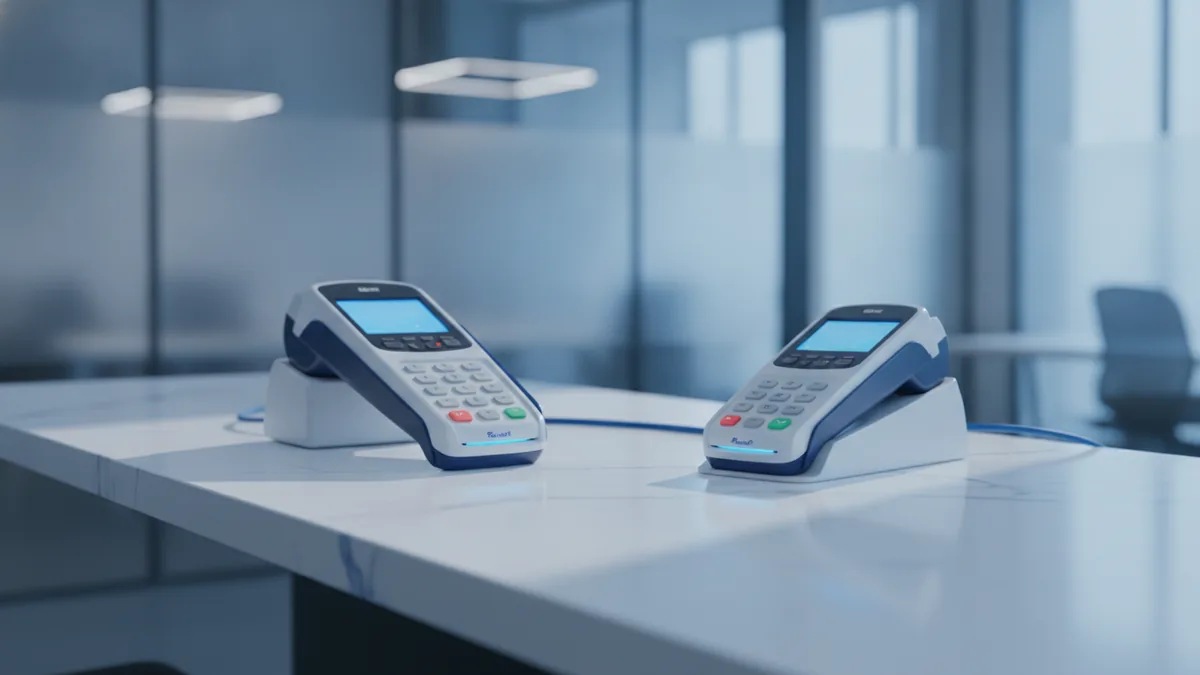
Payment system components you will see in real life
Payment system components act like a chain with clear jobs. Each job passes the request to the next role.
A typical setup includes consumers, merchants, and payment methods. It also includes gateway tools, processors, and bank accounts.
Even if one firm sells many roles, the job list stays similar. Here are the usual parts you will meet.
- Consumer starts the buy with a card, wallet, or bank account.
- Merchant offers goods and asks for a pay result.
- Payment method can be a card, ACH, or a digital wallet.
- Payment gateway sends the pay data safely to the next step.
- Payment processor routes the pay and returns the reply.
- Bank checks the account and later moves the funds.
Payment security also relies on safe data handling. Data should be encrypted in flight and kept in tight access zones.
Knowing these roles helps you debug failures later. It also helps you design a smooth checkout path.

How payment systems operate from initiation to settlement
Most payments follow a set lifecycle. Each stage has inputs, outputs, and an owner.
Payment processing systems often run five steps. These steps cover pay start, pay sending, pay approval, fund move, and record match.
Here is a simple view of the path. Use it as a map for most card and bank flows.
| Stage | What happens | Main roles |
|---|---|---|
| Start | Merchant collects pay info and starts the request | Merchant and gateway |
| Send | Gateway transmits pay data to the processor | Gateway and processor |
| Approve | Checks identity and funds rules for that pay | Networks and banks |
| Move funds | Banks send money for the cleared items | Banks and networks |
| Match records | Teams line up results with bank reports | Merchant finance |
The approve step decides “yes” or “no” for the pay. It does not always move funds right away.
Settlement and matching often happen later. This timing varies by rail and country rules.
Then finance teams reconcile each case. That means they fix gaps like reversals and partial refunds.

Authentication vs authorization: how do these systems authenticate?
Authentication proves who the payer is. Authorization checks whether the pay can go through now.
This is how do these payment systems authenticate. The exact method changes by payment method.
For many card buys, strong customer auth adds a second proof. A code or device check can serve as that proof.
For bank moves, the system may rely on account login and risk signals. It may also use extra checks based on the payer’s past.
Digital wallets can authenticate via wallet login or device trust. That helps reduce share-out of card data.
Once identity is ok, approval checks funding and rules. That is where spending limits and merchant rules matter.
So you can split the logic cleanly. Identity first, funds next.
- Authentication: identity checks to stop fake users.
- Authorization: fund and rule checks for the pay.
- Risk checks: fraud signals that can block a pay.
If identity fails, the system can decline early. That keeps the later steps from wasting time.
If approval fails, the user may try another method. Declines should show a clear next step.
What typically happens during an authorization decision
An approval decision uses account data and pay details. It also uses rule checks for that merchant.
Payment fraud prevention uses both rules and score models. It can watch velocity, device use, and past pay wins.
Decline replies often include a reason code. Your team can use it to guide the fix.
Good logs make support faster. Poor logs create long back-and-forth cycles.

Common types of payment systems and their typical flow
Payment system types differ by rails and timing. Some give fast “done” replies, while others clear in batches.
Cash and checks are direct. The merchant gets value first, then records it.
Electronic funds flows add data steps and bank checks. They also add message routes between banks and networks.
Here are common types you will see in practice.
- Credit and debit cards: an authorization step runs before settlement.
- Electronic funds transfer: money moves via bank-to-bank rails.
- ACH (automated clearing house): often clears in batch windows.
- RTGS (real-time gross settlement): settles each item right away.
- Digital wallets: wrap auth and pay start in one app flow.
That means timing can differ for users. A card pay may feel instant, but ACH can lag.
It also affects your ops work. Reconciliation rules must match each rail’s timing.
So plan for “pending” states in your UI. Also plan for later reversals and chargebacks.
Best practices for payment processing systems
Best payment processing systems focus on safety, uptime, and clean records. They also protect conversion by handling errors well.
Start with a secure build. Encrypt data in transit and store secrets in a safe vault.
Next, support more than one payment option. A single method can block sales if it fails for a user.
Third, pick known providers for gateway and processing. Look at their uptime, dispute work, and fraud controls.
Then tune your system based on real events. Metrics help you set risk thresholds and retry rules.
- Harden your stack with least access and safe key storage.
- Use more than one rail so one fail does not stop all checks.
- Plan for reconciliation using shared IDs and clear status states.
- Run fraud checks early with rule and score signals.
Payment fraud prevention should work as a system. It uses auth strength, device signals, and rule screens.
Also test failure paths before launch. Test gateway timeouts, delayed approval, and out-of-order events.
That reduces surprise bugs during peak sales days. It also helps keep support load low.
Future trends in payment systems
Payment system change comes from tech and from user taste. People want faster pay and simpler steps.
Wallet-first moves are growing in many markets. Wallets can keep auth inside the app and cut data spread.
Real-time auth and risk checks are also improving. More signals can help block fraud earlier in the flow.
Settlement and matching are trending toward more automation. Better event match can reduce manual work after refunds.
These shifts are driven by real use data. Firms tune rules as they learn from charge and dispute outcomes.
- Stronger auth with less user effort
- More real-time decisioning in approvals
- More automation for transaction settlement and record match
- More mobile-first and wallet-first journeys
At the core, nothing changes. Identity checks, approval checks, and safe fund moves still define how payment systems work.
Frequently asked questions
How do payment systems work from start to finish?
Payments start with pay initiation. Then the system sends the request, does approval, and later settles funds and matches records.
How do these payment systems authenticate the payer?
They use methods tied to the payment type. Cards may use strong customer auth. Wallets may use device trust or wallet login.
What is the difference between authentication and authorization?
Authentication checks identity. Authorization checks funds and rules for the payment.
What is the transaction flow in payment systems?
A typical flow is start, gateway send, approval, settlement, and record match. Each stage passes the request to specific roles.
Which payment system components are essential for online payments?
Online payments commonly use a merchant, a payment gateway, a payment processor, and banks. Card networks may also be part of the path.
How do settlement and reconciliation work after a payment is approved?
Settlement moves funds between banks after approval and clearing. Reconciliation matches records and handles reversals, refunds, and chargebacks.