Alternative Payment Processing: Methods, Benefits, and Implementation

Alternative payment processing: what it means and how it helps
Alternative payment processing lets people pay without only cash or card rails. It can use digital wallets, bank transfers, or local schemes. For businesses, it often means easier checkout and more buyers who finish. For buyers, it can mean faster pay and less hassle.
Alternative payment systems include many ways to move money. Some flows go through a wallet firm. Others use bank-to-bank rails. Many also add checks for payment safety and fraud risk.
In 2025, digital wallets and account-to-account transfers became common picks for shoppers. This change affects sales, trust, and payment processing costs. If you run only card pay, some buyers will still walk away.

Why alternative payment systems can lower costs and lift conversion
APMs can reduce fees compared to card network costs in some cases. Prices vary by country and by provider. You should test your real mix of orders. That gives you a true cost per paid order.
Alternative payment systems can also boost sales. When checkout shows a familiar option, fewer people drop off. Wallet flows are often fast on mobile. Bank transfers can feel direct when buyers trust their bank.
APMs add backup too. If card rails face delays, you may still get paid. This helps you keep revenue steady during busy times.
- Lower costs via better routing and provider pricing
- Faster pay with wallet flows and saved details
- More safety using provider risk checks
- More “paid” outcomes when card declines differ
If you run high-risk sales, choose tools with real fraud control. An igaming alternative payment solution should pair speed with strong checks. The goal is to cut risk while you keep approvals.
Types of alternative payment methods you can offer
Alternative payment solutions come in a few main forms. The best set depends on your buyers. It also depends on your order size and your risk level. You should add methods that match what people already like.
Digital wallets are one popular option. PayPal, Apple Pay, and Google Pay let buyers pay quickly. They can also hide card data using token tech. Many shops see fewer steps at checkout.
Buy now pay later, or BNPL, is another. It lets buyers pay in later steps. A third firm usually runs the credit plan. This can help when orders are bigger.
Account-to-account transfers move funds between bank accounts. In bank-led regions, this feels normal. It can also help with cost when terms are good. You must watch the time for payment to confirm.
Local payment systems can win in certain markets. Many countries have their own bank moves and mobile money. These can convert better because buyers recognize the method. They may also settle at their own pace.
| Method type | Where it fits well | What to watch |
|---|---|---|
| Digital wallets | Mobile use and returning buyers | Wallet fit by device and region |
| BNPL | Bigger carts and price-led buyers | Approval rules and refund flow |
| Bank transfers | Bank-first customer habits | Pay speed and how you confirm |
| Local schemes | Markets with strong local taste | Settlement time and reports |
How regional popularity shapes your payment strategy
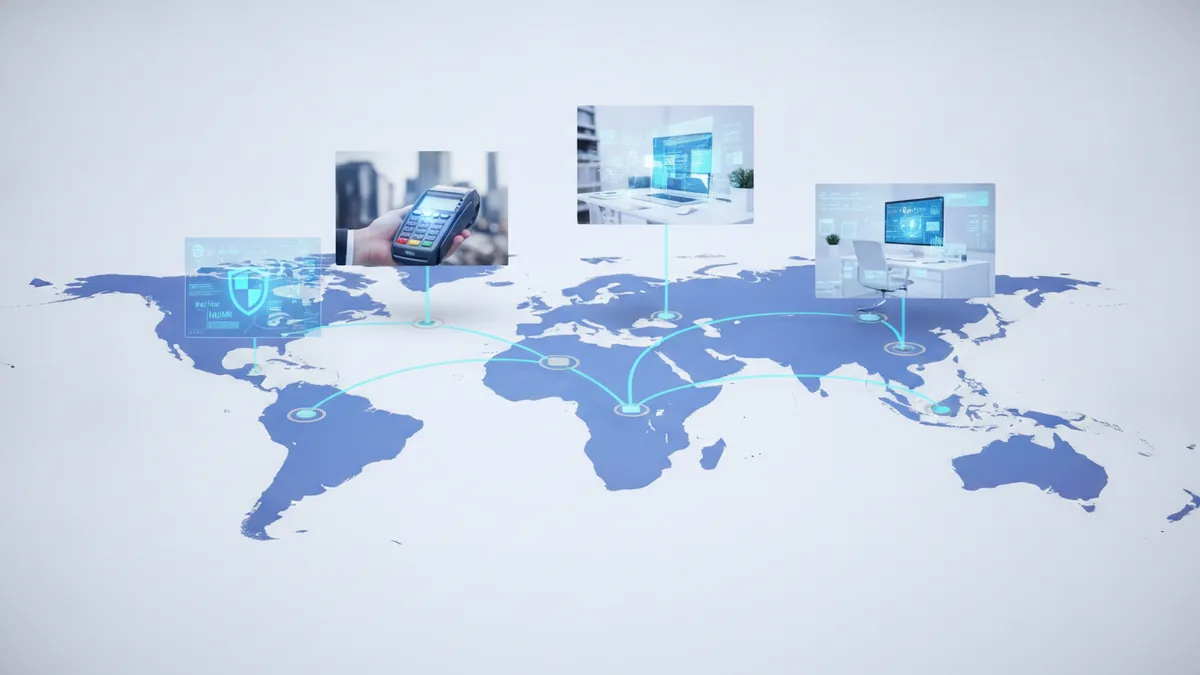
Payment habits differ by region. Alternative payment methods vary a lot by place. These local habits shape what buyers expect at checkout. So your method list should match your routes of traffic.
Regional payment preferences also shape your page design. You should not show every method in every market. Instead, pick the best few per country. Then place them in the right order for that group.
Risk outcomes can vary too. Fraud tends to look different across rails. A method that is cheap can still cost you via more charge issues. So you need more than “low fee” math.
To start well, review three numbers per market. Track the paid rate for each method. Track checkout finish rate after a buyer picks a method. Then compute your cost per paid order.
- Pick methods that match local habits
- Measure approval and finish, not only price
- Expect different settle and refund times
- Adjust checkout by region and device
Implementing alternative payment solutions step by step
Start by choosing alternative payment providers that fit your markets. Check settlement time, report quality, and API support. You also need help if errors happen. Good support saves days during rollout.
Next, set rules for where each method goes. Not every order should use every rail. Many teams route by country and by device. Some also use order value to guide the choice.
Then build your integration for pay status. You must map each provider status to your order states. You also need solid event handling for updates. This keeps the site, email, and admin views in sync.
Reconciliation must be planned up front. Your finance team needs clean data to match sales and pay outs. If IDs do not match, you will do manual work. That hurts both time and cash flow.
If you care about fraud, connect safety signals into your rules. You can block risky sessions or require extra checks. This can keep checkout fast for safe users.
- Pick the right providers for your markets and risk fit
- Set checkout and routing rules by country, device, and cart size
- Map pay states and link web events to order states
- Fix reconciliation and refunds with test runs for each rail
- Track results and tune fraud rules by week, not by guess
Challenges and considerations when you adopt APMs
APM adds work, even when it boosts sales. Different rails can settle on different days. That can change cash plans and review cycles. Refund time can also vary by method.
Security still matters. Even when a provider does more, you must protect data. You need safe session use and strong auth checks. If you build custom code, define who owns which step.
Reconciliation is a common pain point. Bank transfers and local rails can send new ref IDs. They may also confirm at odd times. If you do not plan, ops teams get stuck on manual fixes.
Disputes also differ. Wallets and BNPL can have their own dispute rules. Timelines and proof needs can vary. You should learn the process before you scale that method.
- Settle and refund timing can differ by rail
- Reports may not match your ledger format
- Dispute paths vary across payment types
- Some rails need extra checks for fraud control
Start with fewer methods and expand after you measure. This keeps ops load low while you learn.
Future trends in payment processing you should plan for
Payment systems keep moving toward fast digital rails. Digital wallets and account-to-account transfers likely keep growing. Shops that support them will fit buyer habits better. That can protect sales as markets shift.
Another trend is pay routing layers. Many teams use orchestration to link many providers. This helps you add new rails with less code work. It also helps you swap providers when terms change.
More focus will land on payment security and fraud data. Provider risk scores are getting more detailed. Merchants will pair those scores with their own rules. This helps cut fraud without blocking good buyers.
Finally, expect more alternative payment systems innovations in mobile-first regions. Local wallets and new bank flows may appear. Your best move is to keep your setup flexible. Then you can add new options fast when they show demand.
If you run an igaming alternative payment solution, plan for method swaps. Build for routing, clean reports, and fast dispute ops. That keeps your totals steady as rails evolve.
Frequently asked questions
What are alternative payment processing methods?
Alternative payment processing methods let people pay without only cash or credit cards. They can use digital wallets, BNPL, and bank-to-bank transfers.
How can alternative payment systems lower payment processing costs?
APMs can have lower fees than card rails in some cases. The best proof is a cost per paid order test by method.
Which alternative payment methods are most popular in 2025?
In 2025, digital wallets and account-to-account transfers became common picks for many buyers. Popularity still depends on each country’s habits.
Are digital wallets more secure than card payments?
Digital wallets often use token tech and provider risk checks. Safety also depends on your checkout setup and your fraud rules.
How do I implement alternative payment solutions without breaking reconciliation?
Match each provider pay status to your order states. Then normalize IDs and settlement reports so finance can match data fast.
What are common challenges when adopting alternative payment providers?
Settlement time, report formats, and dispute paths can differ by rail. Test each method for success, decline, and refunds before you scale.