Cashless Payment Systems: Types, Benefits, and Real-World Rollout
Cashless payment systems, explained
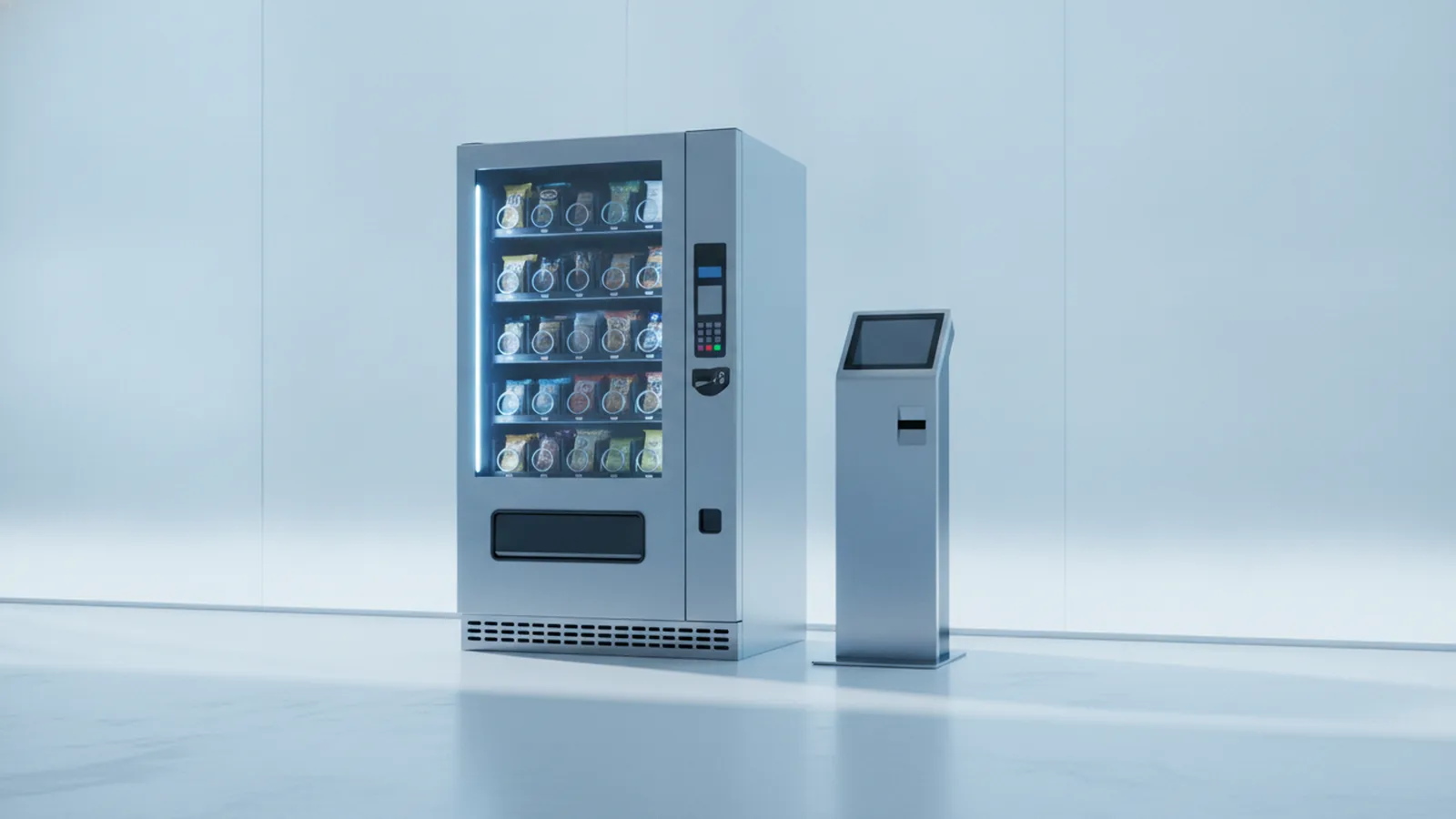
A cashless payment system lets people pay without physical cash. It covers card, phone, and QR payments. It swaps bills and coins for electronic steps.
Most cashless payment systems use a cashless payment terminal plus a payment processor. The terminal reads the method and sends the data. The processor checks the payment, then sends a go or no-go.
This change also affects how money is tracked each day. Operators can cut cash handling time and cost. People also got used to safer tap and scan during COVID-19.
Common types of cashless payment solutions
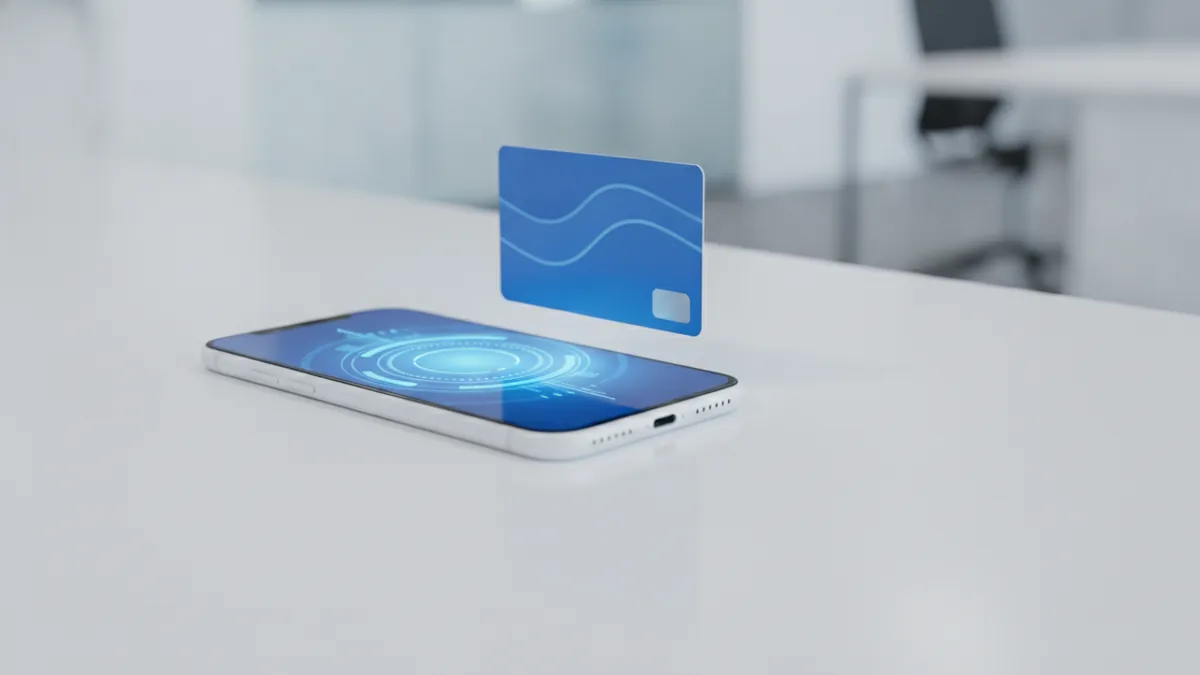
Cashless payment solutions come in several well-known types. The best pick depends on your users and your sites. Many programs support two or more ways to pay.
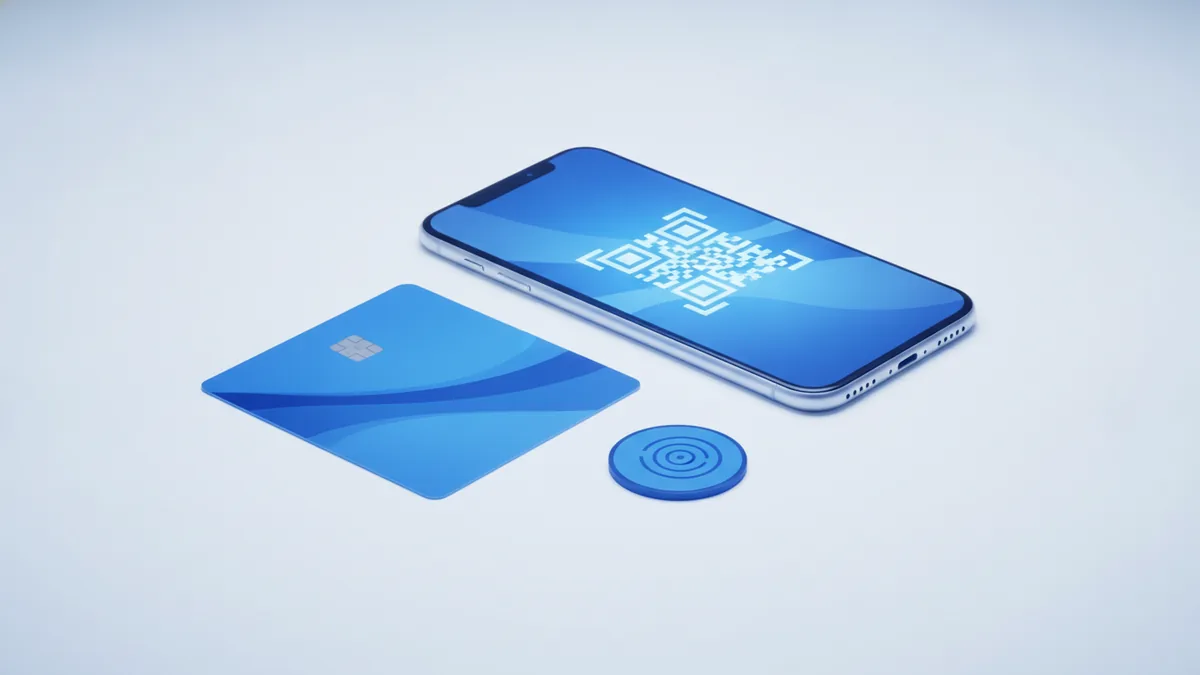
Here are common digital payment methods you will meet:
- Credit cards: Cards tied to a credit line. They often use tap, insert, or swipe.
- Debit cards: Cards linked to your bank balance. Money moves straight from your account.
- Mobile wallets: Pay with a phone app. You often tap the phone to pay fast.
- ACH payments: Bank transfer to bank transfer. It suits some bill pay and account funding uses.
- QR code payments: Scan a code, then confirm in an app. It can work when card tap is limited.
In vending, contactless payments are common. They feel fast and simple. Staff like fewer cash drops to count.
In schools, flows often match lunch needs. A parent adds funds, then students buy lunch with a pass. Some setups use QR, but many use card ID at checkout.
Why businesses adopt cashless payments
Cashless payments usually make checkout quicker. People do not hunt for coins or small bills. That cuts payment delays at busy times.
Operators also gain control. A cashless system can show daily totals by device. It can also log failed tries and system faults.
Cash is risky and costly to move. Counting takes time and staff attention. Cash pickups add cost and schedule risk.
There are also customer trust gains. Many buyers feel safer using tap instead of cash. The COVID-19 shift made this preference stick.
- Less cash work from fewer counts and less change.
- Better daily reports by machine and by time.
- Lower theft risk because less cash is on site.
- Cleaner audits with more clear payment logs.
Implementing cashless payment systems in vending machines
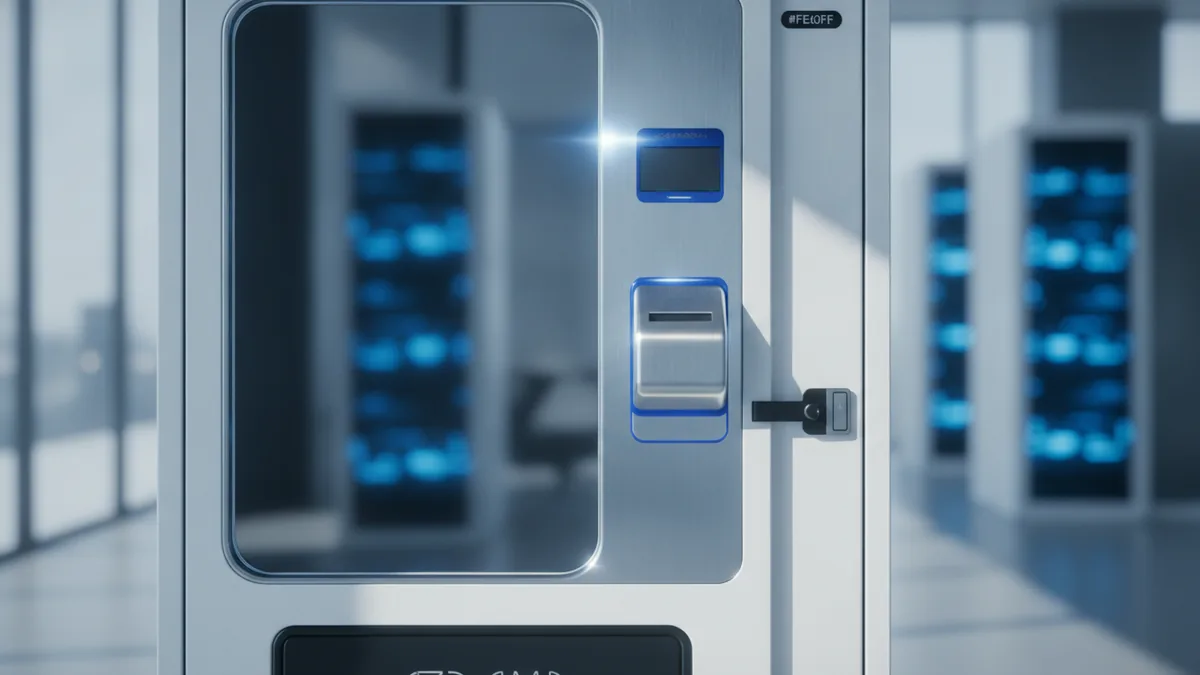
Vending machine cashless payment systems link a terminal to the vending control box. The terminal handles card and tap checks. The vending box then releases the drink or snack.
A good setup makes each step feel instant. The customer taps, then gets clear results. If payment is approved but the vend fails, trust drops fast.
Plan your vending cashless payment terminal based on the site crowd. Offices may prefer tap and cards. Campuses may need phone apps too. Remote sites may favor QR because users can scan quickly.
Most rollouts follow these steps:
- Pick payment types using your real customer habits. Start with tap cards, then add wallet pay.
- Choose a terminal that fits your vending box. Check the wiring and data link type.
- Map products to prices in the vending setup. Each slot should match the correct price.
- Test the whole flow in busy hours. Include slow networks and power resets.
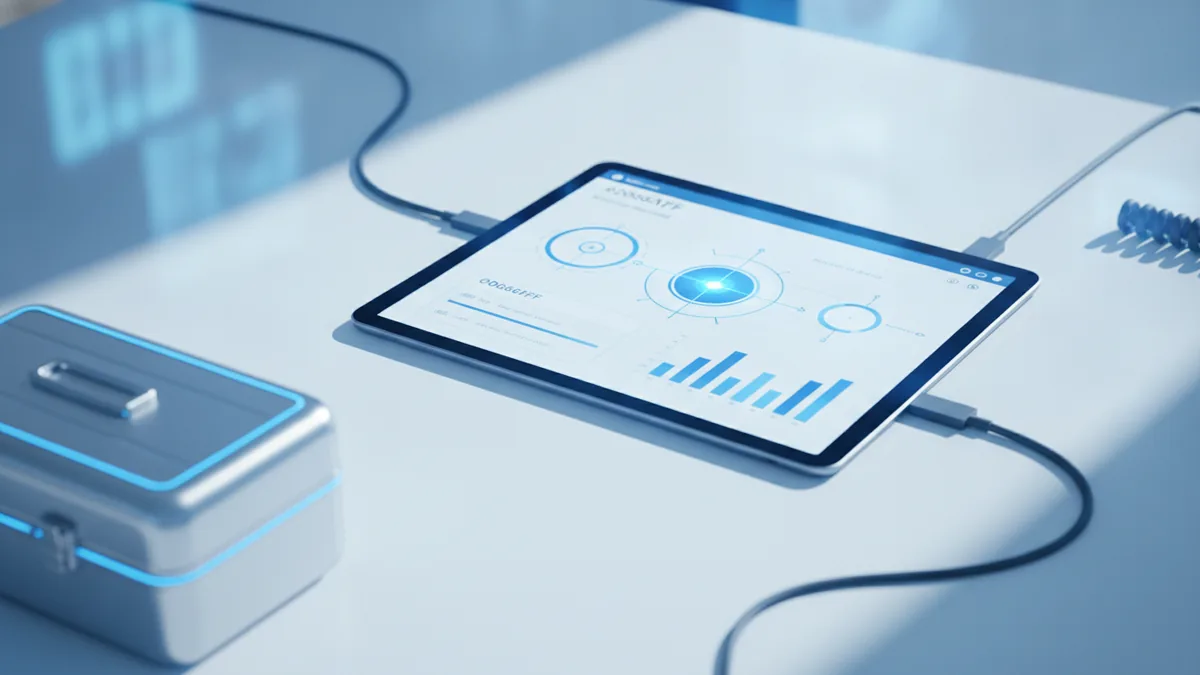
- Turn on alerts and reports for daily totals and failures. Watch for high decline rates.
Payment processing fees are part of the math. They can vary by card type and deal terms. Operators often test which mix gives the best approval rate.
Fraud prevention should be built in. Look for tools that flag odd payment patterns. Also watch for repeated failed tries at one device.
School cashless payment systems for lunch and activities
School cashless payment systems help families pay for lunch and events. They also help staff track costs and usage. Instead of cash envelopes, funds move through a parent account.
School cashless payment systems often use an account model. A parent adds funds, then a student buys with an ID card or scan. Some sites use item-by-item pay per meal.
For lunch programs, the main win is speed. Students can line up and pay fast. Staff spend less time counting money each day.
When you plan school cashless payment systems, cover these needs:
- Parent top-ups with clear steps and balance checks.
- Student checkout IDs that work each day.
- Daily records that match meals and credits.
- Refund and carry rules for mid-year changes.
- Accessibility options for families who lack apps.
Schools also need uptime. If the system is down at lunch, the line stops. So choose vendors and setups that support fast fixes.
Financial inclusion matters in schools. Not every home has a bank card or a phone. Offer more than one way to add funds, when possible. That reduces missed meals and parent anger.
Challenges and key considerations before rollout
Cashless systems can be hard for some groups. Unbanked families may lack cards or bank apps. Limited digital skills can also slow uptake.
Onboarding is a real need, not a nice-to-have. Parents must know how to add funds and see balances. Staff must know what to do when a payment fails.
Privacy and security are also key. Payment flows can carry sensitive data. You need strong controls to guard that data end to end.
You must also plan for outages. Networks can fail, and processors can pause. Define what the site does when the terminal cannot confirm payment.
| Area | What to watch | Practical fix |
|---|---|---|
| Access | Few card or phone options | Offer two or more pay choices |
| Use | Confusing top-up steps | Keep flows short and clear |
| Safety | Fraud and data loss | Use encryption and token steps |
| Runs | No link during outages | Set fallback rules for sites |
For schools, fairness should guide setup choices. Privacy rules and safety steps still matter. But inclusion must not be left for later.
What’s next for cashless payments
Cashless payment systems will keep getting faster. Mobile pay will feel smoother as phones improve. Terminals will also run with fewer downtime hours.
More sites will support more than one pay way. That helps when one option is down or unpopular. It also helps reduce payment failures for users.
Reporting will get more useful too. Operators want fast sales totals and easy device status. Schools want clean records that match policies.
Finally, inclusion will stay central. The shift away from cash must still serve all families. Systems that add clear choices and good help will win long-term use.
Frequently asked questions
What is a cashless payment system?
A cashless payment system lets you pay without physical cash. It usually needs a terminal, a payment processor, and software for tracking.
What are the main types of cashless payment solutions?
Common types include credit cards, debit cards, mobile wallets, bank transfers, and QR code payments. Many setups support more than one option.
How do vending machine cashless payment systems work?
A cashless payment terminal checks the payment, then tells the vending box to vend. Good setups handle weak networks and give clear outcomes.
How can school cashless payment systems help with lunch programs?
They cut cash counting and speed up student checkout. They also give leaders better records of meals and funds.
What challenges slow down adoption of cashless systems?
Some families are unbanked, or they lack digital skills. Clear guides, help staff, and more than one pay option can reduce friction.
Are cashless payments secure and private?
They can be secure with encryption and token steps in the payment flow. Strong fraud checks and good data rules add more safety.