What Is a Payment Processor? Fees, Types, and How to Choose
What Is a Payment Processor?
A payment processor helps move money after a buyer pays online or in store.
It links your checkout to card and bank networks that say yes or no.
Then it sends approved funds to your business account.
That is the answer to what is a payment processor.
A secure payment processor also helps protect payment data while it moves.
It uses encryption and security to lower the chance of leaks.
Many add fraud detection to block risky tries early.
That can protect sales and keep checkout working.
- Transaction facilitation: routes each payment request to the right path
- Authorization: asks the card issuer for approval or denial
- Encryption and security: helps shield data in transit
- Fraud detection: flags odd patterns and risky use
How Payment Processors Work (End-to-End Flow)
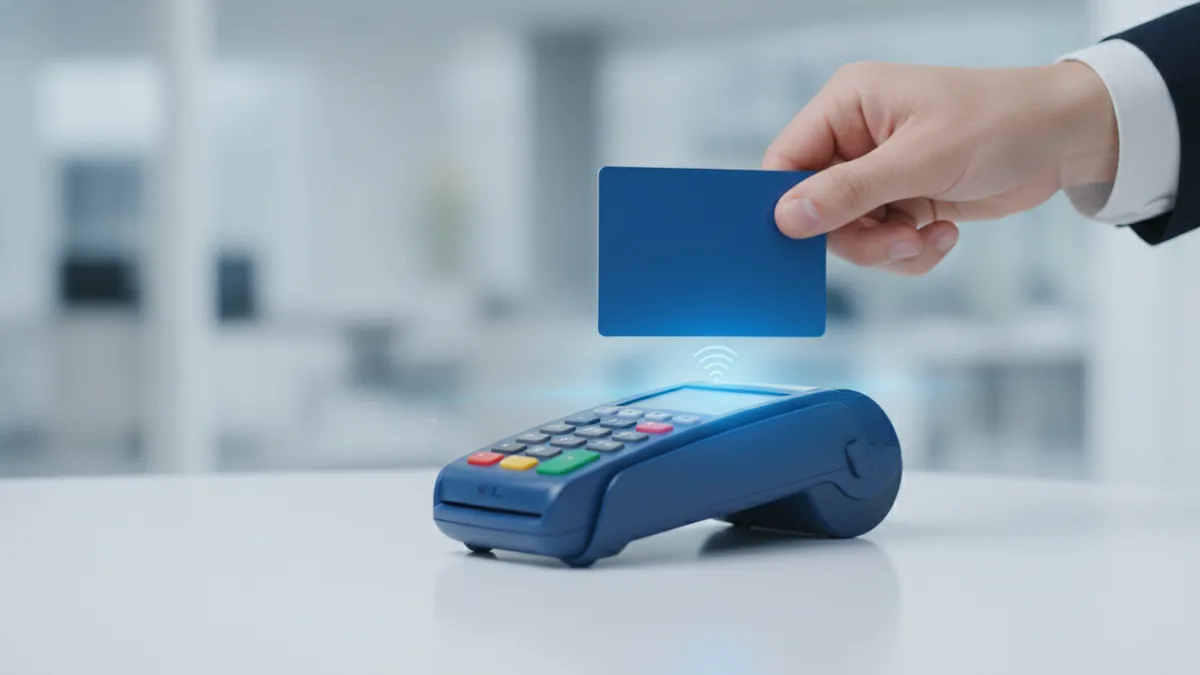
Payment starts at your checkout.
The buyer taps pay, and your site sends a payment request.
The processor protects the data using encryption and security.
Then comes authorization.
Authorization means the issuer checks and replies yes or no.
The issuer checks the card, the account, and risk signals.
It sends back an approval or a decline.
If approved, the flow moves to settlement.
Settlement is when approved money moves between banks.
Many firms settle in batches, so timing can vary.
Some also run fraud detection during the check.
That helps reduce false denials.
- Customer starts payment in your checkout
- Processor receives and protects the payment request
- Processor asks for authorization from the issuer
- Issuer approves or declines the payment
- Funds settle to your merchant account

Key Functions of Payment Processors
A payment processor does more than forward a payment.
It can shape speed, risk, and approval rates.
Small setup choices can change results a lot.
One core job is transaction facilitation.
This means it routes payment requests through the right rails.
That helps the right bank handle the request.
Another core job is authorization.
Authorization decides if the payment can pass.
Better checks can reduce lost sales from wrong denials.
A secure payment processor also uses encryption and security.
It helps guard data while it travels.
It can also help guard data when stored.
Many providers add fraud detection.
Fraud detection can flag risky behavior and stop bad payments.
For disputes, some offer chargeback management.
This helps you respond when buyers dispute a charge.
That can help protect cash flow.
| Function | What it does | Why it matters |
|---|---|---|
| Transaction facilitation | Routes payment requests | Helps cut routing errors |
| Authorization | Approves or declines | Helps raise success rate |
| Encryption and security | Protects payment data | Helps lower data risk |
| Fraud detection | Flags risky tries | Can cut fraud losses |
| Chargeback management | Helps with dispute steps | Helps protect cash flow |

Choosing the Right Payment Processor
People ask how to choose a payment processor for one clear reason.
They want the right fit for fees, risk, and ease of use.
Start with what you sell and how buyers pay you.
Then match methods to your buyer habits.
First list payment methods you need.
Do you take cards only, or also wallets?
Wallet pay can include Apple Pay and Google Pay.
Next check multi-currency support if you sell abroad.
This can reduce friction for global buyers.
Now review payment processor fees.
Fees decide your real profit per sale.
That is why cheap payment processing can be tricky.
The lowest rate may cost more overall.
It can lower approvals or raise dispute costs.
To compare, split costs into per-sale and monthly buckets.
Then estimate costs at your order volume.
Some teams run a payment processor fees comparison between two options.
Focus on total cost, not just one number.
Also check security tools and reporting.
A secure payment processor should cover encryption and fraud checks.
And confirm how you connect your site.
Ask about API integration if you need app-level control.
API integration means your app sends and reads payment events.
Good setup can speed launch.
For niche categories, ask early about fit.
An adult payment processor may follow a tighter risk review.
That is part of adult payment processing screening.
If you need crypto, you may look for a crypto friendly payment processor.
Some also ask for a same day payment processor.
This usually means faster funding, but it is not instant.
Check exact timelines in provider terms.
If you need local support, you may search payment processor Canada.
Region rules and bank timing can differ by country.
What is the “payment processor gateway” vs “full processor” difference?
A payment processor gateway sends payment data to the networks.
It returns results to your checkout.
A full setup, called payment processor services, often does more.
It can include risk tools, reports, and settlement help.
So ask what is inside the plan.
Also ask how it fits your current stack.
Fast checklist for your shortlist
- List required methods: cards, wallets, and local rails
- Confirm multi-currency support for your markets
- Compare payment processor fees by per-sale and monthly buckets
- Check tools for fraud detection and dispute steps
- Plan for API integration if you need event data
- Ask how approvals change for your category
Payment Processor Examples and Common Use Cases
Here are payment processor examples you can start with.
Popular names include Stripe, PayPal, Square, and Adyen.
Each one offers different payment tools.
Each also fits different business needs.
Some teams want full features as payment processor services.
Other teams want a simpler, smaller checkout flow.
Also consider niche needs like industry risk.
A payment processor for cbd may need extra review steps.
Adult buyers also may need a dedicated adult payment processor.
That is because risk screening can vary by category.
Pick based on outcomes, not only brand names.
Look at approval behavior and dispute tools.
How to become a payment processor
Some ask how to become a payment processor online.
Most answers are about rules and licensing, not quick code.
You usually need partner banks and risk controls.
Then you need ways to handle authorization and settlement.
Some firms start by building payment software.
Then they partner with an operator who runs the rails.
Those builders often create payment processor software for control and fraud rules.
After that, they integrate using an API.
If you want the job side, search payment processor jobs for roles.
Some roles are payment processor jobs remote.
You will also see work in risk, ops, and support.
Be clear on what you mean by “becoming.”
It can mean licensing, or it can mean building software.
How to reduce checkout drops over money
Some merchants see declines after the buyer pays.
Those issues can feel like “checkout drops over money.”
Common causes include retry bugs and wrong totals.
Another cause is slow webhook calls.
To reduce this, test your payment flow end to end.
Also track authorization and settlement events.
Be careful with any payment processor script you run in prod.
Run it in a staging setup first.
Also plan how you handle a payment authorization rejection.
Clear logs speed up fixes.
Understanding Payment Processor Fees
payment processor fees are not just one line item.
They usually include transaction fees and possible monthly fees.
They can also include dispute costs for chargebacks.
This is why “cheap payment processing” needs math.
If you compare only rates, you may choose the wrong one.
The better pick is the one that fits your volume and risk.
So ask what fees apply per card type and per country.
Also ask about fees on refunds and partial refunds.
Many providers charge per transaction plus a percent.
Some include a gateway fee or a platform fee.
Then disputes can add more work and cost.
That is why the lowest fee payment processor is not always best.
Approval rate is part of your fee math.
So is dispute rate and dispute loss.
If you need crypto routes, ask for crypto pricing too.
That is where a payment processor crypto option can matter.
If you want an anonymous payment processor, know the tradeoff.
Legit providers still need business and risk checks.
Ask how they handle identity checks and account rules.
A simple fee model you can use
| Cost bucket | What to estimate | Example question |
|---|---|---|
| Per transaction | Fee per card sale | What is the fee per charge? |
| Percent of sale | Rate on each amount | What percent applies to each order? |
| Monthly fees | Fixed platform cost | Do you have monthly minimums? |
| Disputes | Chargeback cost and effort | How are disputes charged? |
| Cross-border | Extra routing and FX fees | What fees apply to other countries? |
Which provider is best for your fee profile?
Merchants often ask “which payment processor is best.”
That depends on your method mix and your risk level.
For some, low per-sale cost wins.
For others, strong approvals and lower disputes win.
So compare net results, not only list prices.
Future Trends in Payment Processing
Payment processing keeps changing as users change.
One major trend is more use of digital wallets.
Wallets and contactless can speed up checkout.
But they still need strong security and risk rules.
Another trend is more personalized checkout.
Providers tune payment options by customer behavior.
Fraud tools also keep improving.
Fraud detection models now use more signals.
That can cut false declines when tuned right.
There is also more focus on faster funding.
Some merchants want a same day payment processor.
Verify what “same day” means for your bank.
On the tech side, teams keep improving API integration.
More stable events can reduce checkout failures.
That helps with reconciliation too.
Expect more niche support for categories and regions.
Some providers aim to support payment processor for cbd or adult workflows.
Others aim for crypto routes with a crypto friendly payment processor.
Pick trends that match your buyers.
Do not pick trends that only sound new.
Frequently asked questions
What is a payment processor and what does it do?
A payment processor helps move money after customers pay online or in store. It handles authorization and helps send funds to your business.
What is the difference between a payment processor and a payment gateway?
A payment gateway sends payment data and returns results. A full processor services setup often includes more than gateway messaging.
How do payment processor fees work?
Payment processor fees usually include transaction pricing plus possible monthly fees. Refunds and disputes can also change your total cost.
How to choose a payment processor for my business?
Compare accepted payment methods, total fees, security features, and settlement timing. Also check API integration and multi-currency needs.
Are there payment processor services for high-risk or niche categories?
Yes, some providers support categories like CBD or adult services. Underwriting and risk review may differ, so confirm fit before you launch.
What does “same day payment processor” mean?
It usually means faster funding than standard settlement. Exact timing depends on your bank and the provider terms.