How to Improve the Customer Payment Experience
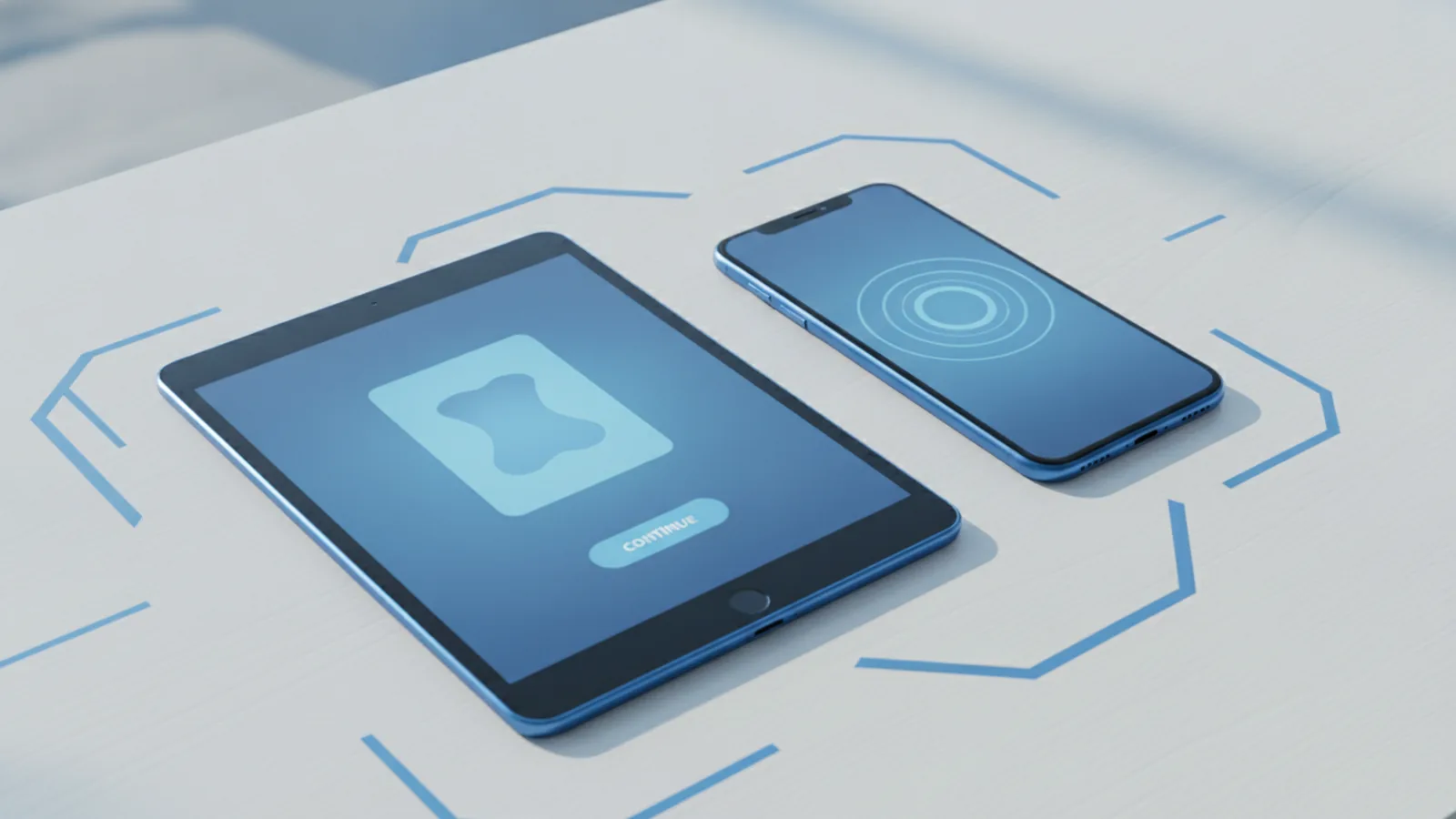
Improve customer payment experience by fixing speed, trust, choice, and clarity at checkout. When it feels smooth, people buy and come back. When it feels risky, they leave.
This guide shows what drives payment satisfaction. You will also see common blockers that raise cart abandonment. Then you will get practical steps to improve customer payment.
Understanding Customer Payment Experience
Customer payment experience is the whole path to a paid order. It starts when a buyer picks a payment method. It ends when you confirm success. It also includes what happens on errors.
People judge the process by moments that feel small. They notice slow pages. They notice unclear errors. They notice whether the final price matches what they expected.
A strong experience has four traits. Speed matters most at the pay step. Security builds trust and lowers fraud risk. Flexibility lets buyers choose what fits them. Transparency keeps fees and timing clear.
- Speed: less waiting during pay and confirm
- Security: fewer fraud checks that block good buyers
- Flexibility: multiple customer payment methods
- Transparency: clear totals and what comes next

Importance of a Positive Payment Experience
A good customer payment experience boosts loyalty and profit. People return when they trust your checkout process. They also spend more when payment is easy.
Bad payment moments cost more than lost sales. They add support work. They add refunds and disputes. They can also lead to chargeback risk.
Cart abandonment often rises from one clear issue. Unexpected costs appear too late. A small surprise can end the sale.
Customers also abandon when the pay flow is hard. Too many steps feel like a trap. Confusing screens feel unsafe. Then buyers back out.
Here is a quick map of common payment pains. Each one tends to lower conversion fast.
| Payment pain point | Buyer response | Business result |
|---|---|---|
| Fees show up late | “I did not agree to this.” | Higher cart abandonment |
| Slow or missing confirmation | “Did it go through?” | More retries and support |
| Generic decline errors | “Now what?” | Lower approvals |
| Unclear timing | “When will it ship?” | Less trust and fewer buys |
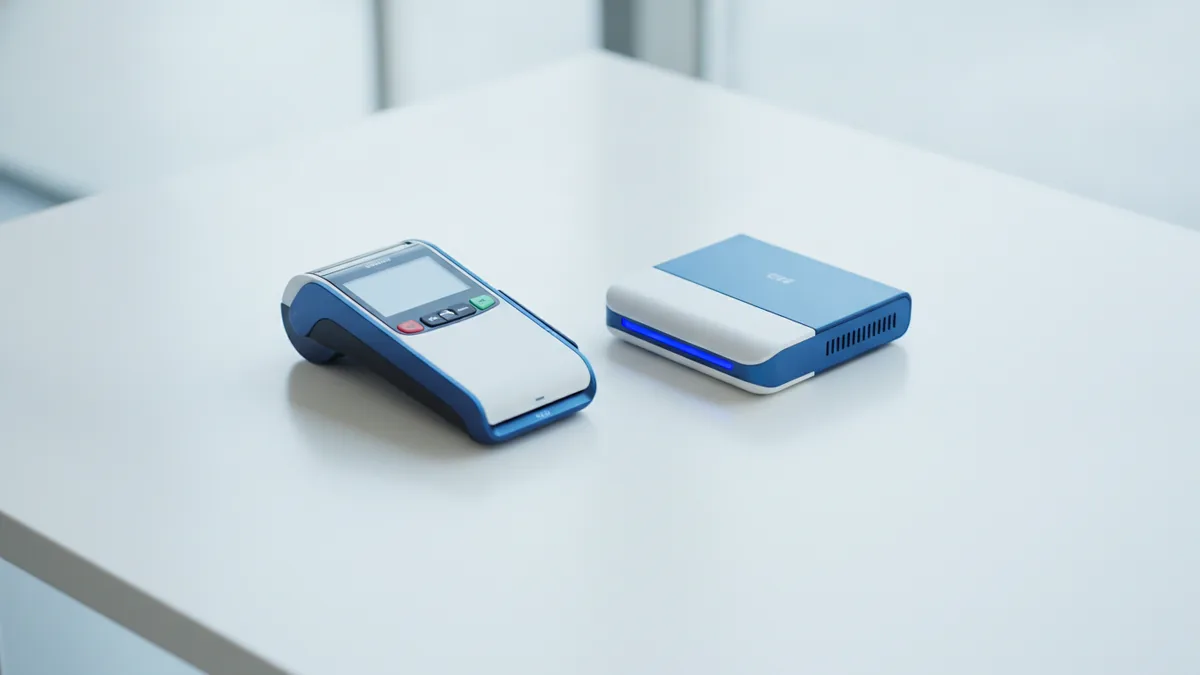
Key Elements of Customer Payment Solutions
Customer payment solutions include more than a payment page. They include how money is checked. They include how orders get updated. They include how you handle refunds.
Start with reliability and clear outcomes. A buyer needs fast success or failure. They should not guess. A good system updates your order status quickly.
Next, support multiple customer payment methods. Some buyers want cards. Others want bank options. Many want digital wallets for speed. People expect choice now.
Payment plan options can also help. Buy Now Pay Later (BNPL) can fit some shoppers. Only offer it when terms are clear.
Transparency must be part of the flow. Show totals before the pay step. Explain delivery timing before the buyer pays.
- Checkout UX: short forms and clear totals
- Pay routing: move money in a steady way
- Payment security: strong checks with low false blocks
- Order sync: match payment status to order status
- Post-pay messages: receipts and clear next steps
Common Obstacles in Payment Processes
Most payment failures come from friction. Some friction is visual. Some friction is timing. Some friction is unclear rules.
Unexpected costs are a top driver of abandonment. If taxes or fees appear at the last step, buyers lose trust. They assume worse changes may come next.
Complex steps also hurt. Long forms slow buyers on mobile. Many fields increase typing errors. Too many redirects break focus.
Declines can also damage the flow. If you show a vague error, buyers feel stuck. They may retry and fail again. That lowers approvals and harms trust.
After a pay attempt, silence hurts too. If confirmation is slow, buyers retry. They can end up with duplicate charges. Then you spend time fixing it.
- Late fees: totals change after pay starts
- Slow steps: pages load slowly or reload often
- Unclear errors: no guidance on next action
- No confirmation: buyers cannot confirm success
- Bad mobile flow: wallet use is hard to find
Technology's Role in Enhancing Payment Experience
Technology improves customer payment by cutting time and confusion. A good pay setup routes requests in a steady way. It also improves approval odds when issues occur.
Payment gateways help process funds safely. They also handle token steps that protect card data. Done well, this is mostly invisible to the buyer.
API integrations make the experience feel joined. When payment status syncs with order status, buyers see truth. They stop wondering if the sale worked.
Digital wallets support mobile payments with less typing. Buyers tap to pay and move on. That reduces errors and speeds checkout completion.
Fraud steps must be tuned. Payment security should stop risky acts without blocking normal buyers. If you block too much, you harm sales.
| Tech lever | What it improves | What to watch |
|---|---|---|
| Pay routing | Approvals and speed | Consistency across methods |
| Status sync API | Clear success and failure | Timing match between systems |
| Digital wallets | Faster mobile pay | Easy fallback when wallet fails |
| Fraud checks | Lower loss risk | False declines that hurt good buyers |
Strategies for Improving Customer Payments
How to improve payment experience starts with measurement. Track approval rate, time to confirm, and decline reasons by method. Then focus on the biggest drop-off spots first.
Next, optimize the checkout process. Keep forms short. Validate as the buyer types. Avoid asking for extra details that do not help. Less typing means fewer errors.
Then improve transparency. Show the full total early when you can. If you cannot, explain when totals change. Buyers should not meet surprises at the pay step.
Offer multiple payment options for diverse customer expectations. Put the most used methods near the top. Also add fallbacks for buyers who fail on one method. A smooth retry path keeps buyers from leaving.
If you use customer payment plans, show the full schedule. Display the next charge date and amount. Explain what happens if a payment fails. Clarity reduces support and anxiety.
Finally, improve recovery after a fail. Give a clear next action. Let buyers retry or switch methods with one click. This turns a failure into a path forward.
- Cut surprise fees: show totals before pay
- Reduce form friction: fewer fields, clear help
- Clarify payment plans: show due dates and totals
- Add key payment options: cards, bank, wallets
- Speed confirmations: confirm within minutes
- Fix errors: show guidance, not blame
Communication you can use when payment is late or disputed
Some teams need to ask for payment after a missed due date. If you are learning how to write email to customer for payment, lead with facts. State the invoice, the amount due, and the due date. Then add clear payment options.
When you send a payment request, keep it short. Use a calm tone. Avoid threats. If you offer a plan, show the schedule in plain terms.
If you need a payment plan letter to customer, keep it simple. State the total, the dates, and what each payment covers. If you need a late payment letter to customer, explain the next step clearly.
Also, avoid hidden delays. Buyers want dates and outcomes. Make it easy for them to act right away.
| Goal | What to include | Example line |
|---|---|---|
| Ask for payment | Amount, due date, and payment options | “Please pay the balance by Friday.” |
| Confirm a plan | Schedule and next charge date | “Your next payment is on the 10th.” |
| Recover from a fail | What went wrong and what to do | “Your payment was declined. Try another method.” |
Future Trends in Customer Payment Experiences
Customer payment experiences will keep shifting toward mobile. Buyers will expect tap to pay. They will also expect fast results on every device. That means speed must stay high as you scale.
API-first setups will grow. Teams want real-time links between pay events and orders. This helps you send better updates and reduces guesswork.
More personalization will also arrive. Some buyers may get payment plan offers based on fit. Yet you will still need clear terms. Transparency will remain non-negotiable.
Fraud tools will get smarter too. Better rules can cut false declines. That helps optimize payment experiences without blocking good buyers.
In the end, the bar rises each year. A payment must feel safe and simple. It must also feel honest about timing and costs.
Plan your next improvement cycle
- Find the biggest drop-offs in checkout.
- Fix surprise fees and clarify totals.
- Add key customer payment methods and fallbacks.
- Speed confirmation and improve post-pay notes.
- Improve decline help and recovery paths.
Frequently asked questions
What is a customer payment experience?
It is the full path from picking a payment method to confirmed success. It also covers error handling and your next-step messages.
How does customer payment experience affect cart abandonment?
Surprise costs and unclear payment steps push buyers to leave. Many abandon when the final total or outcome feels uncertain.
What makes a positive customer payment experience?
Speed, payment security, flexible customer payment methods, and clear transparency are key. Confirmation speed and helpful receipts also matter.
How can I improve payment experience on mobile checkout?
Use mobile-friendly options like digital wallets. Reduce fields, speed up pages, and give a simple fallback when a payment fails.
How do payment gateways and APIs improve customer payment solutions?
They help route payments reliably and keep order status in sync with payment status. This cuts confusion and support load.
How should I ask a customer for payment when it is late?
Send a short, factual note with the due amount and deadline. Include payment options and the next step, without threats.