Laundry Equipment Payment System Options: Card and App Payments

Overview of laundry payment systems
A laundry equipment payment system lets people pay for wash and dry cycles without cash. It helps cut long lines and speeds up machine starts. You can use card taps, mobile wallets, or QR codes.
The system must work in busy places with fast repeat use. It also needs to handle lost signal and power cuts. If it fails, the operator must fix it fast.
Good setups link pay events to each machine cycle. Many also add a laundromat POS solution for tidy sales logs. That helps when you run one site or many.
- Each payment ties to a machine cycle
- Operators get clear sales reports by machine
- Refunds and credits stay traceable
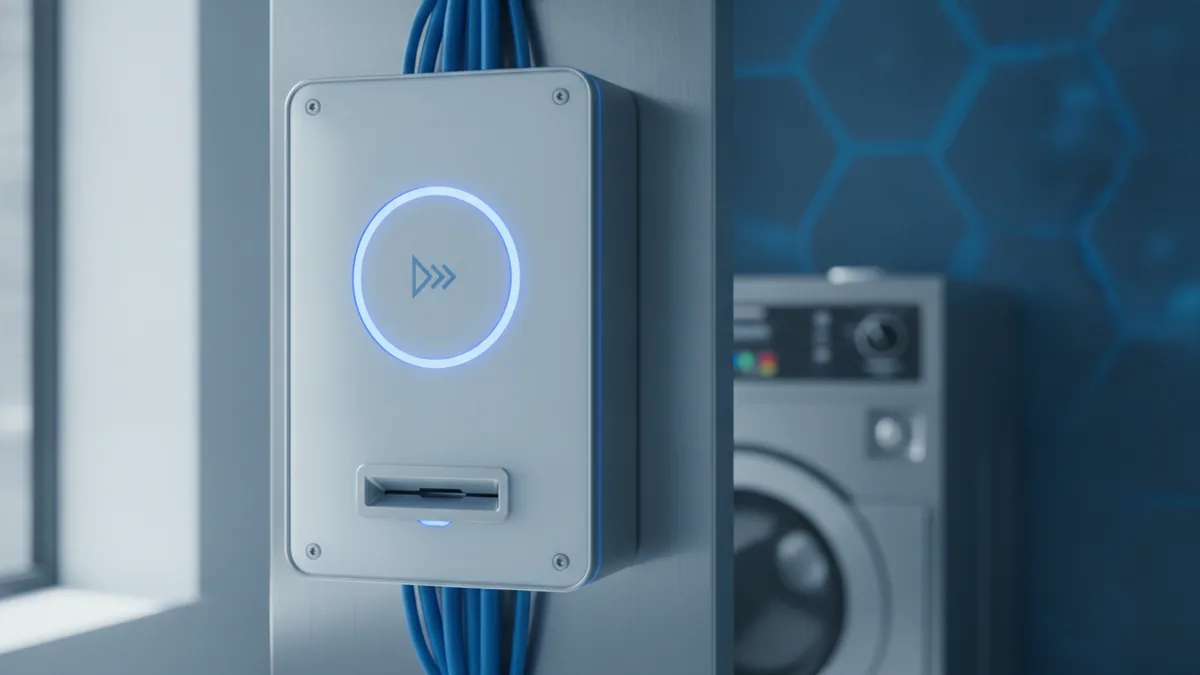
Why cashless payments matter in laundromats
Cashless payments feel easier for customers. Most people carry a card or use a phone. A tap or scan can start a cycle in seconds.
Fewer people get stuck without coins. That can raise the share of started cycles that finish. When customers trust the start, they come back more often.
Cashless also helps staff work faster. Less cash means fewer counts and fewer end-day headaches. Staff can focus on floor help and machine checks.
- Shorter waits at the machine
- More completed cycles in peak hours
- Less time spent on cash and counts
It also supports better control. You can limit who can grant credits and view full audit logs.
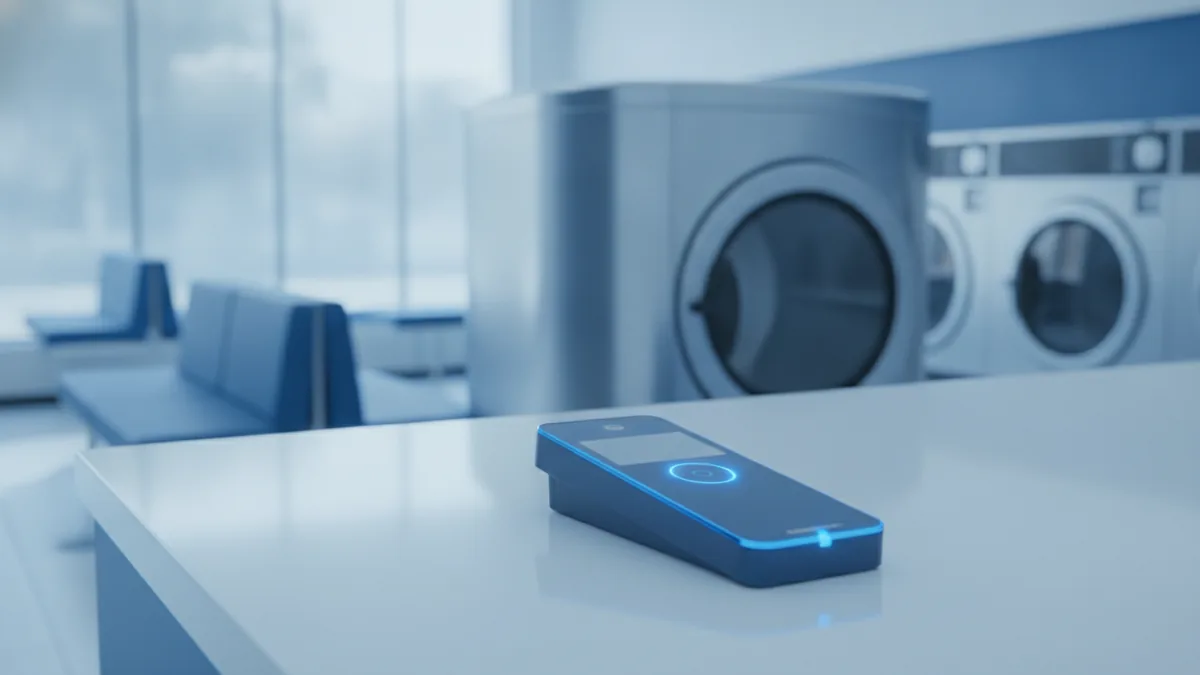
Payment system types: cards, apps, and QR
There are three common ways to pay for laundry cycles. Each option changes how customers interact with the machine. Pick based on your floor setup and tech comfort.
For card payment systems laundry equipment, customers tap or insert a card at the machine. Most readers support contactless payment methods. When the payment clears, the machine controller gets the go-ahead.
For app payment systems laundry equipment, customers pay in an app. They choose a machine, then pay for a set time. The app can also show what is running right now.
QR code payments work by scanning a code on the machine. The phone loads a pay screen. After payment, the system unlocks the cycle.
| Payment type | Customer action | Best fit |
|---|---|---|
| Card tap | Tap at the reader | Fast flow and low training |
| App pay | Pick machine in app | Great for rewards and receipts |
| QR pay | Scan and confirm | Useful for older machine mixes |
Also plan for transaction fees. Those fees depend on your payment tool and your rate plan. Build them into your ROI math from day one.
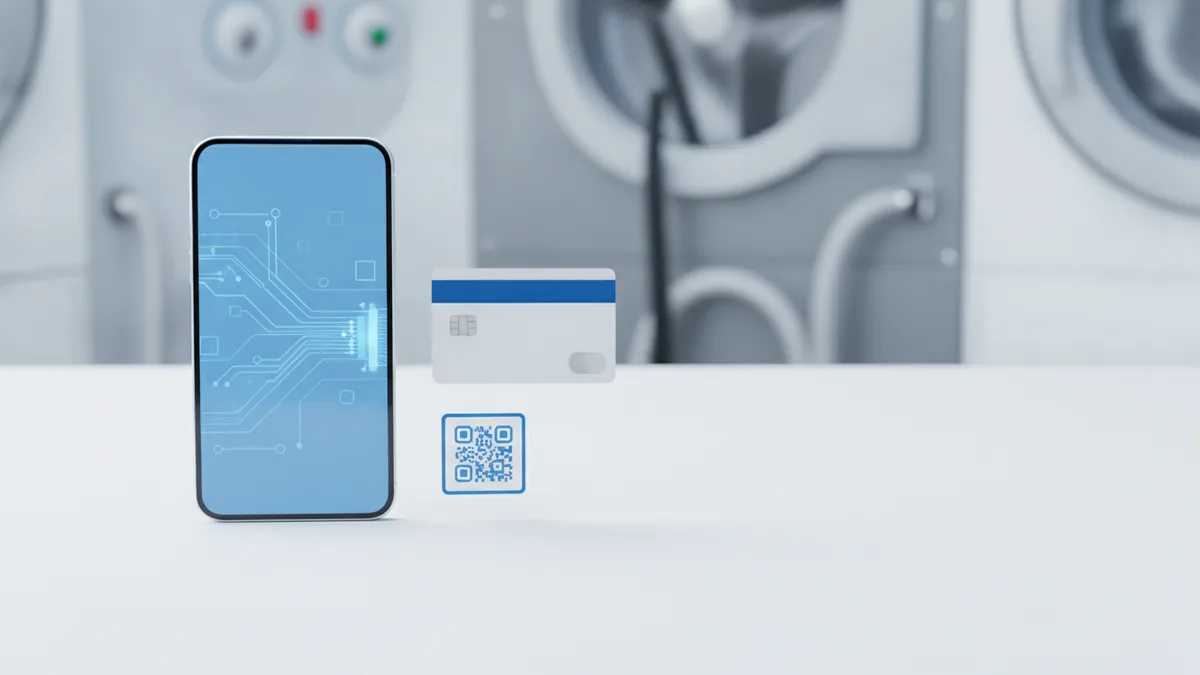
Integrating payments with laundry equipment
Integration with laundry machine integration is where most delays happen. The payment system must start and stop cycles reliably. It must also handle errors like a stuck door or no water.
Start with a machine survey. Write down each machine make, model, and control type. Then note what inputs it can accept from outside.
Next, choose retrofit or replace. A full swap can be simpler but costs more. A retrofit can save money when the machine can still run safely.
For card payment systems laundry equipment, you often connect the reader to a control board. The board then enables the cycle. You also need a refund path when a cycle fails.
For app payment systems laundry equipment, you need a link between machine ID and payment. The system must know which machine a user selected. Then it must send the right start signal to that machine.
For QR setups, the phone confirms payment, and the system unlocks use. The machine still needs an enable signal. That is why you should test the unlock method early.
- Test one machine first, in a lab or back room.
- Define cycle states like paid, failed, and refund.
- Set rules for lost signal and slow network.
- Build a clear staff fix plan for errors.
Security matters too. Use payment processing technology that supports safe links and tamper checks. If you use a laundromat POS solution, make sure logs tie to machine events.
Finally, plan labels and mapping. Staff must quickly match a machine number to a payment record.
User experience features that reduce friction
Great UX lowers failed starts and reduces support calls. The pay step must match the machine step. If it feels unclear, people ask for help.
Many sites use a touch screen near machines. It can show cycle choices and payment status. It also helps explain what to do if a payment does not go through.
Contactless payment methods can cut steps at the start. Still, you should show a clear “paid” signal. Use the screen, a light, and a short receipt note if possible.
Customer loyalty programs can drive repeat visits. With an app, you can earn points for each wash. Then you can unlock free dryer time or extra minutes.
- Clear steps to pick the right cycle
- Simple “paid and starting” feedback
- Loyalty offers that match real machine use
- Fast staff tools for credits and resets
Don’t ignore the staff side. Staff need one place to handle refunds and credits without guesswork.
Costs and ROI: what to budget and how to measure
A laundry equipment payment system has upfront and ongoing costs. Upfront costs include readers, wires, boards, and any screen gear. It also includes install work and software setup.
Ongoing costs include transaction fees and support fees. If you use app-based pay, you may also add phone upkeep costs. You should ask for a clear monthly price and fee schedule.
ROI usually comes from two angles. First, you raise revenue by reducing missed sales. Second, you lower time spent on cash and counts.
| ROI lever | Example metric | How to track it |
|---|---|---|
| More done cycles | Completed washes per hour | Compare before and after machine logs |
| More add-ons | Dryer minutes per wash | Track add-on sales in site reports |
| Less cash work | Minutes per shift counts | Time staff tasks for two weeks |
| Fewer refunds | Refunds per 1,000 cycles | Review refund events and reasons |
Build ROI with three cases. Use a low lift case, a real lift case, and a high lift case. Then vary transaction fees in your model too.
Most sites target payback in one to two years. Your timeline depends on machine count and any downtime during install.
The best ROI plan also includes measurement after launch. Track results weekly until the flow is stable.
Future trends in laundry payment solutions
Laundry payment solutions are moving toward more app-led use. More sites are using app payment systems laundry equipment. Customers can pay, get receipts, and see status on their phone.
Advanced analytics is also growing fast. With machine data and pay data, you can spot stuck cycles and slow starts. Then you can tune staffing and fix parts sooner.
QR will keep expanding too. QR can cut hardware needs on some machine models. It also helps when you have a mixed fleet.
Fraud prevention systems are improving with new signals. Payment processing technology can flag odd behavior and tamper risks. That lowers chargebacks and reduces operator losses.
When you plan upgrades, keep integration flexible. Choose a setup that lets you add apps later. That saves you from redoing wiring for new payment paths.
If you want help with a scalable setup, you need reliable payment infrastructure. You also need support for safe links, logs, and fraud checks.
Frequently asked questions
What is a laundry equipment payment system?
It is a setup that lets people pay for washers and dryers without coins. Payments link to machine cycles and get tracked for operator reports.
How do card payment systems work with laundry machines?
A card reader gets payment approval, then signals the machine controller. You also need a way to refund if a cycle fails.
What are app payment systems for laundry equipment?
They let customers pay in a phone app, usually by picking a machine and confirming time. The app can also show receipts and support customer loyalty programs.
Can I retrofit an existing laundromat to accept cashless payments?
Often yes. A retrofit may add interface boards or relays so older machines can accept pay signals.
What costs should I expect for implementing cashless laundry payments?
Budget for hardware, install work, and software setup. Also plan for ongoing transaction fees from your payment provider.
How do I measure ROI for a laundry payment upgrade?
Track started and completed cycles, add-on sales, and refund rates before and after. Also measure staff time spent on cash and end-day work.