How Square Payment System Works: Processing, Security, and Setup
Overview of the Square payment system
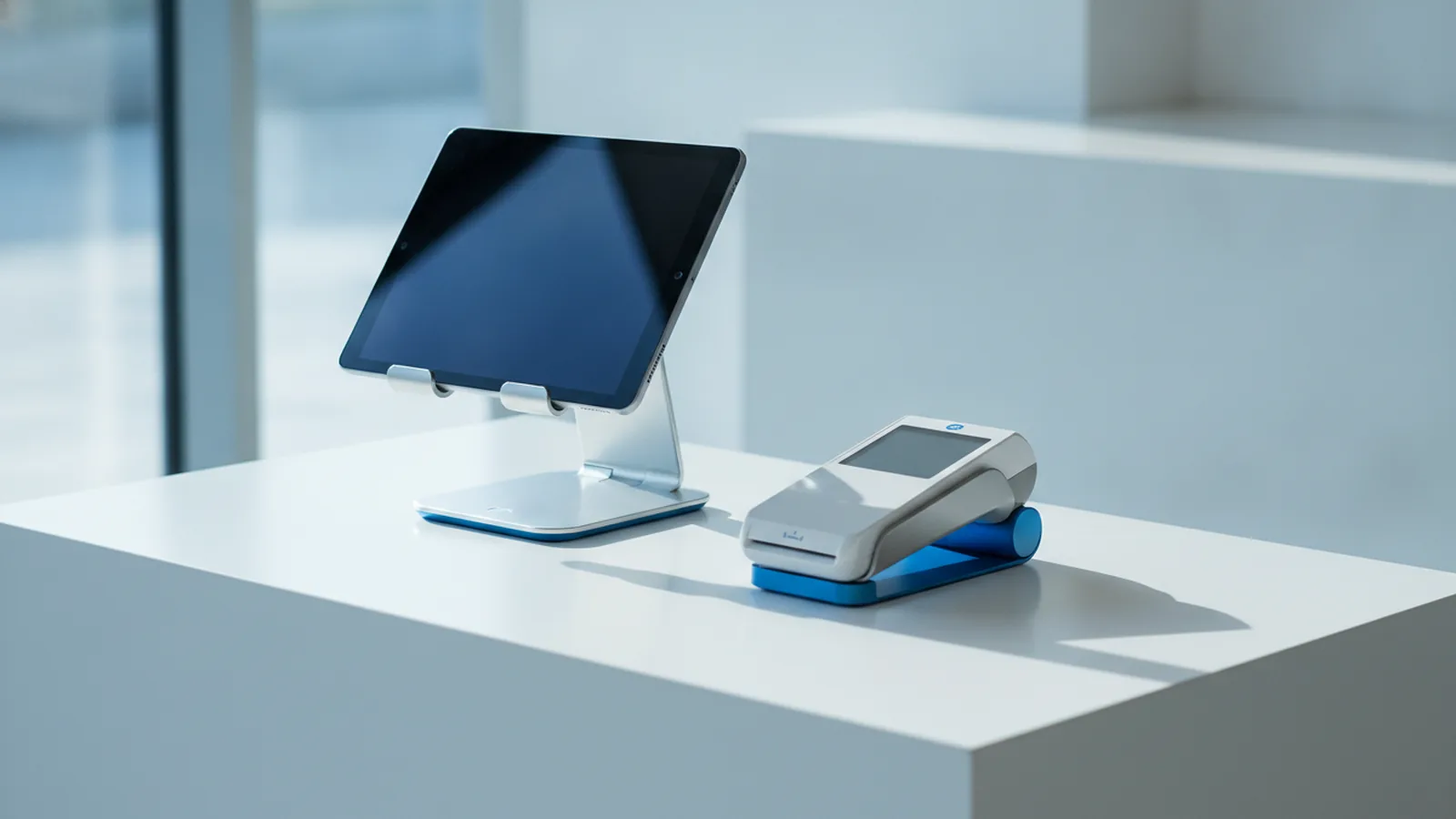
If you are wondering how does the Square payment system work, the core idea is simple. Square helps businesses take payments in person and online, then routes those transactions through its network for authorization and settlement. It also provides a point of sale system experience, so staff can ring up items and accept cards without juggling multiple tools.
For merchants, Square acts as a full set of merchant services. It covers the payment gateway piece for online checkout, plus the in-store hardware and software for contactless payments. The result is one workflow for credit card transactions and debit card payments, from “tap or swipe” to money landing in your account.
Square can be used as a standalone setup for small businesses. Many teams also connect Square to their eCommerce payment solutions so online orders and in-store sales follow the same rules for payment handling.
- In-person: Square Terminal or Square Reader with the Square POS app
- Online: Square checkout pages and eCommerce payment solutions
- Unified operations: reporting, refunds, and basic controls in one dashboard

How payment processing works, step by step
To understand how does Square payment processing work, look at a credit card transaction as a sequence of checkpoints. First comes authorization, where the card network checks whether the payment can be approved. If approved, Square proceeds to the next phase instead of immediately moving funds.
Next is batching. Square groups approved transactions into batches for submission to the next part of the rails. This is where timing matters for settlement, because the batch schedule influences when funds are ready to be deposited.
Finally is funding, often described as settlement or fund settlement. Typically, transactions settle in 1–2 business days. If you want money sooner, Square offers instant transfers for a fee, which can speed up cash flow for busy shops.
- Authorization: check card details and confirm approval
- Batching: group approved payments for processing
- Funding: deposit funds to your account after settlement
In practice, how does Square credit card processing work looks like this at the counter. Your staff takes the card payment through the Square hardware. Square sends the authorization request, gets an approval, then handles the rest behind the scenes until funds settle.

Benefits of using Square for merchant services
Many teams ask, is Square a good payment system, because they want fewer moving parts. Square’s biggest benefit is that the hardware, software, and payment processing are designed to work together. That can reduce setup time compared with piecing together separate merchant services and a point of sale system.
Another advantage is operational clarity. Square’s processing fees are transparent for most businesses, with a common rate structure of 2.6% + 15¢ per transaction. Transparent pricing helps you forecast payment costs per order, especially when you sell a mix of low and high ticket items.
Square also supports practical payment workflows. Staff can run refunds, manage receipts, and keep basic records in one place. For growing merchants, this matters because you avoid “tribal knowledge” spread across separate vendors.
| What you get | Why it helps |
|---|---|
| Unified POS and payments | Fewer integrations and less training overhead |
| Clear transaction pricing | Better margin math per credit or debit card transaction |
| Fast settlement options | Instant transfers can reduce cash flow delays |
- Less friction: one checkout flow for in-store and online
- Fewer vendors: payment gateway and POS are bundled
- Scales with you: add devices and payment methods as needed
Types of payments Square accepts
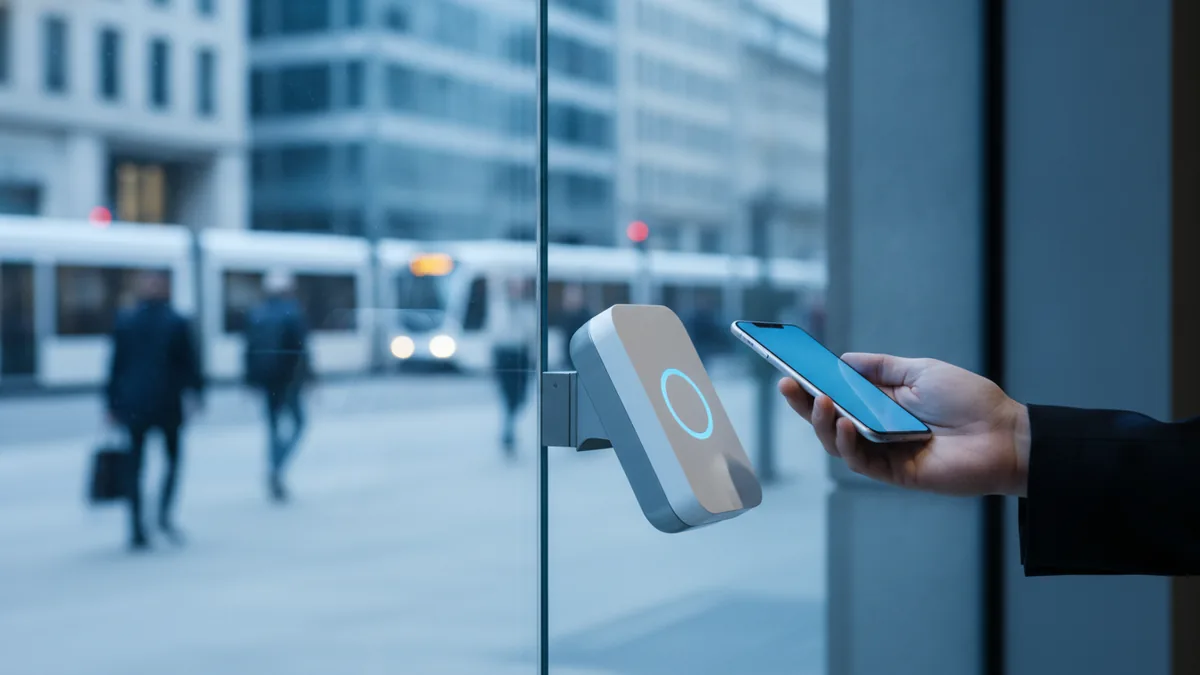
Square supports a wide range of payment methods, which is a key part of how well it serves different customers. In person, you can accept credit cards and debit cards through Square hardware. Square also supports contactless payments, so customers can tap rather than insert or swipe.
For in-person setups, Square offers multiple hardware options depending on your business model. Common devices include Square Reader for simpler counter use, and Square Terminal for a more complete point of sale experience. Choosing the device affects ergonomics, speed, and how closely you can match your existing checkout flow.
For online transactions, Square can function as a payment gateway for eCommerce payment solutions. Customers can pay with cards and also with digital wallets like Apple Pay and Google Pay, which helps reduce friction on mobile devices.
- Cards: credit cards and debit cards
- Digital wallets: Apple Pay and Google Pay
- Contactless: tap-to-pay support for faster checkout
- In-store hardware: Square Reader and Square Terminal
- Online checkout: payment gateway for eCommerce payment solutions
When you plan which payments to offer, map them to your audience. If most buyers are mobile-first, digital wallets can improve conversion. If you serve in-office clients, card payments are usually the baseline, with contactless as a convenience feature.
Square security features that protect transactions
Security is central to payment processing, so it is worth asking what protects you and your customers inside Square’s system. Square is designed with core safeguards such as end-to-end encryption. That means payment data is protected as it moves through the system and across relevant networks.
Square also aligns with PCI compliance expectations for handling card data. In plain terms, PCI compliance helps ensure that card transactions follow strict rules around processing, storage, and access. For a merchant, this reduces the operational burden of trying to meet these standards alone.
Fraud prevention is another practical layer. Payment systems typically use risk checks during authorization, which can flag suspicious patterns before funds move. While no system can promise zero fraud, the combination of encryption, rules, and monitoring helps reduce the chance that a bad transaction succeeds.
- End-to-end encryption: protects payment data during transmission
- PCI compliance: card-handling rules built into the flow
- Fraud prevention: risk checks during authorization to block bad payments
If you want stronger fraud prevention, pair payment security with good merchant habits. Use consistent receipt details, keep refund policies clear, and avoid manual workarounds that bypass normal flows.
Setting up Square for in-person and online payments
Setting up Square is mostly about connecting devices, choosing your checkout flow, and verifying your business details. The process usually starts with creating your Square account, then confirming what kind of payments you want to accept. If you are building an in-store operation, you will add the right hardware first.
For in-person payments, you will pair Square Reader or Square Terminal with the Square POS app. After pairing, test a small sale to confirm that authorization works and receipts display correctly. You should also test a contactless payment, if you plan to rely on tap-to-pay for speed.
For online payments, set up your checkout using Square’s online tools. This is where “what is square payment gateway” comes into focus. A payment gateway is the system that receives payment details from a checkout page, sends them for authorization, and returns the result so your order can complete safely.
- Create your Square account and confirm business details
- Add hardware for in-person and run a test transaction
- Configure online checkout for your eCommerce payment solutions
- Review pricing and settlement timing so you understand fund settlement
Then verify your settlement behavior. Square typically settles in 1–2 business days, but instant transfers can change that timeline at a cost. Knowing this upfront helps you align inventory buys and payroll with when money arrives.
Final thoughts on how the Square payment system works
When you step back, understanding how does the Square payment system work boils down to one pipeline. Square handles authorization, batching, and funding so merchants can accept card and wallet payments with less complexity. That is why many businesses treat Square as both a payment processing partner and a usable point of sale system.
Square’s hardware options make it easier to match your store setup. Square Reader and Square Terminal cover common in-person needs, while online tools support eCommerce checkout and digital wallets. You can accept credit cards, debit cards, and Apple Pay or Google Pay in one operating model.
Finally, its security approach matters. End-to-end encryption and PCI compliance are built into the system, and fraud prevention checks occur during authorization. If you want a payment setup that is fast to launch and clear on pricing, Square is a strong option for many merchant types.
Frequently asked questions
How does the Square payment system work for card payments?
Square authorizes the payment, then batches approved transactions for processing. After settlement, funds are deposited to your account.
What is a Square payment gateway?
A payment gateway is the checkout system that captures payment data and sends it for authorization. Square provides gateway functionality for online checkout flows.
How does Square credit card processing work with Square hardware?
Square Reader or Square Terminal sends authorization requests during checkout. Once approved, the transaction is handled through batching and later funding.
How fast does Square settle payments?
Many transactions settle in 1–2 business days. Instant transfers can speed up deposits for a fee.
Does Square have security features for payments?
Square uses end-to-end encryption and is designed around PCI compliance. It also includes fraud prevention checks during authorization.
Is Square a good payment system for small businesses?
Square is often a good fit because it bundles POS and payment processing. Transparent fees and flexible hardware help teams launch and run faster.