What Payment Networks Are and How They Work in the USA

What payment networks are (and why they matter)
Payment networks are the systems that move money when you pay or send funds. They link banks, sellers, and other money groups. Funds can move with shared rules and safe checks.
Payment processing networks also move the messages that start and track a sale. They help with approval, proof, and final money move. That keeps each step fast and trackable.
For a business, these choices shape speed, cost, and cash timing. Faster approvals can lift sales. Clear timing helps with book work.
- They enable electronic fund transfers between people, firms, and banks.
- They set rules for how payment data is sent and checked.
- They support final settlement, returns, and reports.
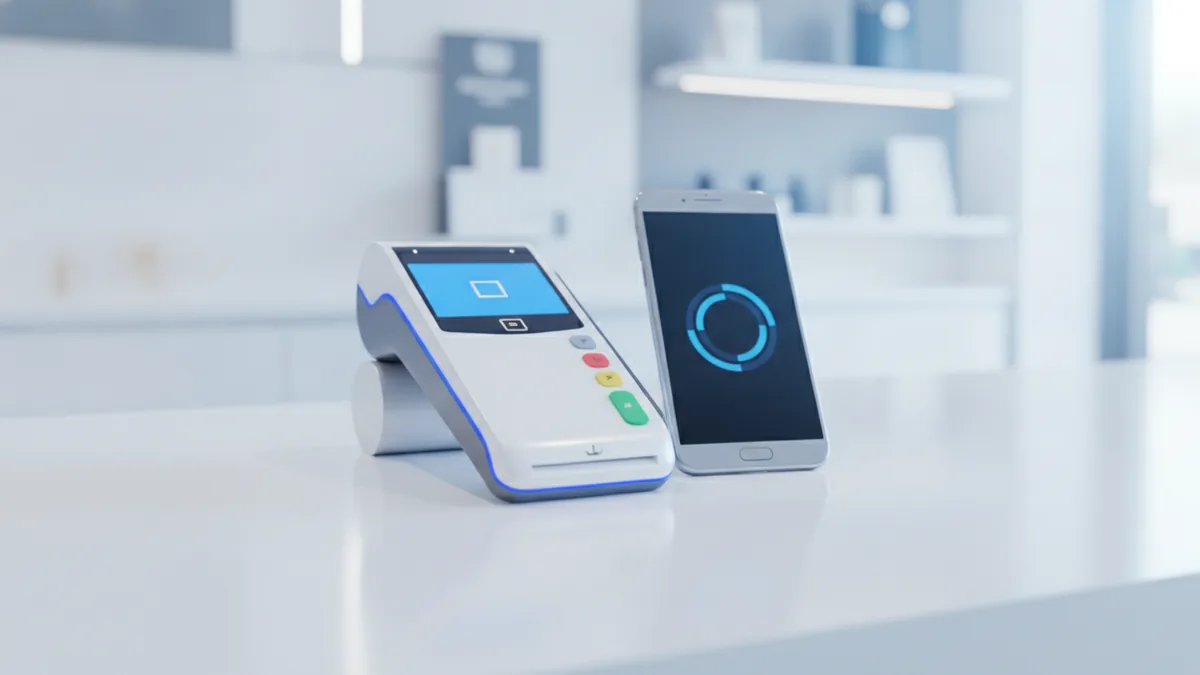
Types of payment networks
Many types exist, and each fits a different kind of money move. Some focus on card buys at stores. Others move money between bank accounts.
Some let users send money to each other with less bank work. Others focus on cash by card at ATMs. Knowing the type helps you pick the right path.
Here are the main categories you will see most often.
- Credit card payment networks: route card buys between issuing and acquiring sides.
- Electronic funds transfer (EFT) systems: move money between bank accounts.
- Peer-to-peer (P2P) payment networks: move money between two people.
- ATM networks: support cash takeouts and balance checks.
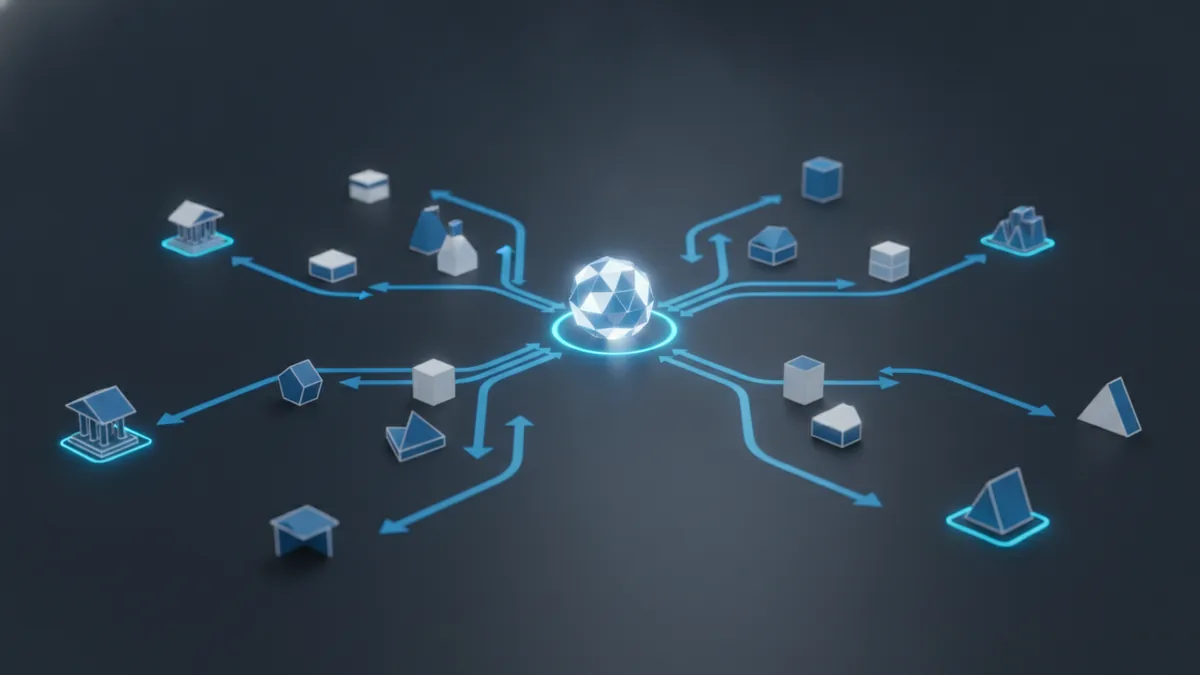
Major payment networks in the USA
Payment networks in the USA come from several big groups. Card networks handle most retail buys. EFT systems handle bank-to-bank moves.
For credit card payment networks, the four major USA networks are Visa, Mastercard, American Express, and Discover. These are often named the largest payment networks. Their reach spans many banks and stores.
Visa and Mastercard are open networks. Banks and pay firms can join under set terms. American Express and Discover are closed networks.
Open vs closed affects how partners join and how rules are run. It can also shape fee and risk handling. Merchants still use all four to reach customers.
EFT also plays a major role. ACH (Automated Clearing House) and wire transfers are common rails. ACH often runs in set cycles. Wires often finish faster for urgent moves.
| Network type | Example(s) | Typical use |
|---|---|---|
| Credit card payment networks | Visa, Mastercard, American Express, Discover | Card buys and many bill links |
| ACH (EFT) | ACH network via banks | Paychecks, bill pay, account moves |
| Wire transfers (EFT) | Bank wire rails | Big, time-sens moves |
| P2P payment networks | User-to-user rail | Sending money between users |
| ATM networks | ATM network groups | Cash takeouts |
How payment networks work (the moving parts)
Most payment networks follow a shared flow. A customer starts a pay action with a card, wallet, or bank move. The system then routes the request to the right bank.
In a card buy, the seller’s bank asks for an okay. The card issuer checks the account and credit headroom. Then the issuer sends back an approval or a deny.
Then come clearing and settlement. Clearing matches the set of buys for a time window. Settlement is when the money shifts for real.
That flow is built for many banks at once. It uses set rules so each side can trust the data. It also keeps records for later reviews.
For EFT, the path can differ by rail. With ACH, banks send payment files to the ACH system. The system sends back results, then banks post in set windows. With wire transfers, banks may push the move sooner with higher priority.
- Start: a payer taps, swipes, or signs a bank move.
- Route: the request goes to the right partner.
- Check: the system checks risk and account status.
- Approve: the network confirms the payment can pass.
- Clear: buys are matched for final steps.
- Settle: banks finish the money move and post it.
- Fix: refunds, returns, and disputes run after.
P2P payment networks streamline the start for users. Apps link bank or card rails behind the scenes. The network still needs ID checks and error rules.
ATM networks focus on cash access. A takeout request checks the card and cash limits. Then the ATM network returns the result and logs the move.
Comparing payment networks: cards, ACH, wires, P2P, and ATMs
Different payment networks trade speed, cost, and control. Card networks aim for smooth checkout at stores. EFT rails aim for neat bank posting in clear windows.
Speed can vary a lot. Card approvals are quick, but settlement can lag. ACH can take days due to cutoffs and batch runs.
Wire transfers often move faster for urgent needs. That speed can bring higher fees. P2P can feel near real-time in apps.
Returns and reversals also differ. Card disputes follow charge rules set by the card network. ACH reversals depend on timing and consent type. P2P reversals can be tight after accept.
| Network | Speed (typ.) | Best fit | Common trade-off |
|---|---|---|---|
| Credit card networks | Fast okay | Shopping | Disputes follow card rules |
| ACH | Days | Payroll and bills | Cutoffs change timing |
| Wire transfers | Same day | Big moves | Fees can be higher |
| P2P networks | Often fast | User-to-user sending | Reversals can be hard |
| ATM networks | Instant cash | Cash use | Limits apply |
If you are building a product, match the rail to the goal. Speed helps for urgent needs. Predictable cycles help for rent and bills. Clear error rules reduce support load.
Acceptance also matters. Card payment networks are widely used. ACH works when both sides share bank paths. P2P depends on app use. ATM reach depends on the card and ATM mix.
The future of payment networks
Payment networks are set to move faster and carry more data. Users want quick pay steps in digital wallets and apps. That pushes networks toward better checks and faster steps.
Risk tools are also getting stronger. Fraud and fake accounts keep evolving. Networks will likely use tighter ID checks for new sends.
Cross border rails will also grow. Many places have their own rules for bank moves. For Europe, SEPA is a key rail. For China, CIPS is a key rail.
These international payment systems help local banks work with more partners. Over time, more links can mean smoother global sends. Costs may drop as rules align.
In the USA, expect more tools around EFT and card rails. Better match and report tools can cut errors. Clear dispute flows can speed up fixes.
For teams, the key shift is deeper integration. Payment networks are not just pipes. They shape user trust, risk outcomes, and money timing. Test real bank timing early to avoid surprises.
When you pick rails, start with the user goal. Then pick the network type that fits. Use a proof run with real cutoffs and limits. That beats guesswork from old case studies.
Quick guidance for choosing a network for your use case
- For checkout, use credit card payment networks and test approval and refund paths.
- For paychecks and bills, use ACH and plan around bank cutoff times.
- For large urgent sends, use wire transfers and budget for higher fees.
- For person to person, pick a P2P payment network and plan for reversal limits.
- For cash access, check ATM networks match your customer card mix.
Frequently asked questions
What are payment networks in simple terms?
Payment networks are shared systems that route payment requests. They help banks and sellers send money with agreed rules.
What payment networks are used in the USA?
In the USA, you often see credit card payment networks and EFT via ACH. You also see wire transfers, P2P payment networks, and ATM networks.
Are Visa and Mastercard open or closed networks?
Visa and Mastercard are usually classed as open networks. American Express and Discover are usually classed as closed networks.
What is the difference between ACH and wire transfers?
ACH often posts in set cycles and can take days. Wire transfers often finish faster, with fees that can be higher.
How do P2P payment networks move money?
P2P payment networks let users send money from an app. The app uses bank rails to move funds and then records the final result.
Do payment networks handle international payments too?
Yes. Many regions use their own rails for bank moves. Europe uses SEPA, and China uses CIPS for key steps.