What Is an E-Wallet Payment System? How It Works & Types

Introduction to e-wallet payment systems
An e wallet payment system lets you pay with your phone instead of typing card data. You store payment info in an app, then pay fast in shops, online, or peer-to-peer. Many wallets also support contactless payments using tap and QR scan.
A digital wallet payment system acts like a safe middle layer at checkout. It routes your request to the right payment paths. It also returns an approve or decline result with a receipt.
For shops, a mobile wallet payment solution can cut time at the till. It can also make repeat buying easier. Faster checkout often means less cart drop.
So what is it really? Think of it as a payment app plus a secure checkout flow. That is the core idea.

How e-wallets function
E-wallets securely store payment information and enable electronic payments. They can hold credit or debit card data, bank links, and stored value in some cases. Some also keep loyalty points and event tickets.
They work through a chain of checks and messages between your phone and the payment network. You choose a payment method in the app. Then you tap or scan to start the pay flow.
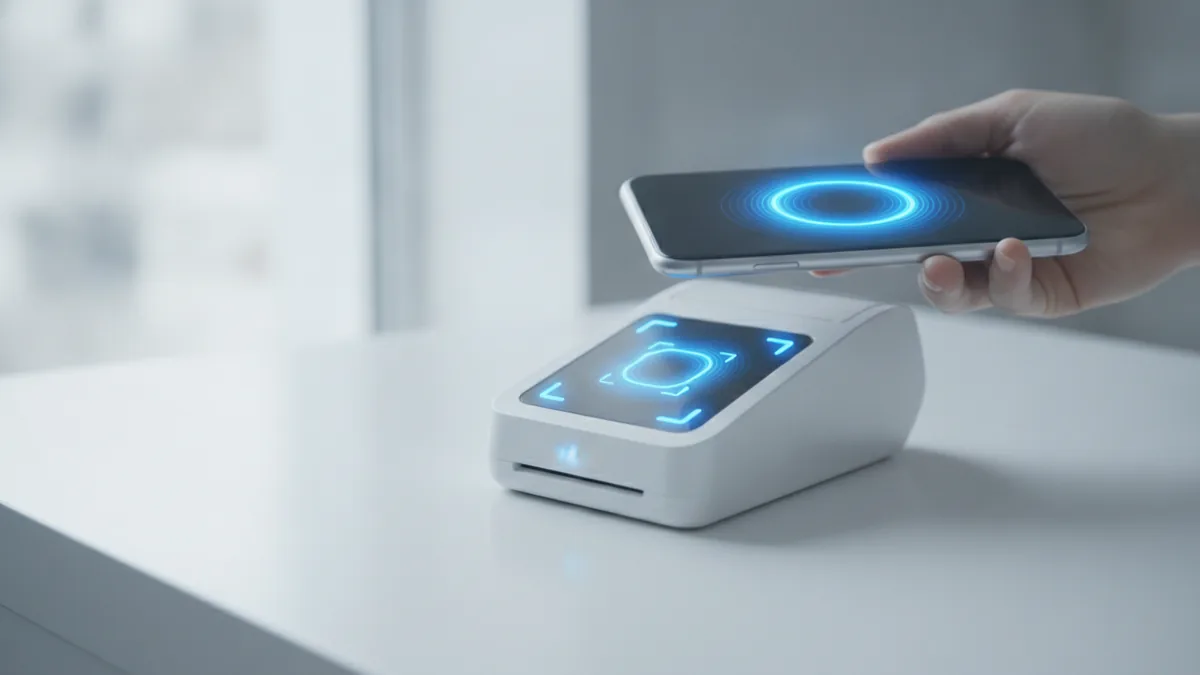
Many systems use NFC (Near Field Communication) for tap-to-pay. Others use QR codes for scan-to-pay at the register. Both methods let you avoid manual entry.
Here is a typical payment flow from user view. Step by step, it feels simple.
- Add payment: You link a card or bank to the wallet.
- Pick method: You choose a saved card or default option.
- Tap or scan: You use NFC or a QR scan at checkout.
- Prove it is you: You confirm with a code or a face or thumb check.
- Get result: The network approves or declines the payment.
After that, the merchant gets the pay result and a receipt shows up. It is that quick when the system is stable.
Types of e-wallets
There are three main types of e-wallets. Each type changes where you can spend and how access works. The model you pick affects user reach.
Closed-loop wallets work inside one brand or one store network. You may add funds there and then spend only with that group. Use this when you want a tight user base.
Semi-closed wallets work with partner merchants. You can pay at a set of stores that joined the network. This often creates wider reach than one brand.
Open wallets connect to broader payment networks. They usually support more funding options and wider merchant coverage. That is why they feel more like general-purpose payments.
Pick the wallet type based on your goal. Each option trades control for reach.
| Type | Where you can pay | Who sets the rules |
|---|---|---|
| Closed-loop | One brand or one merchant group | The wallet provider for that brand |
| Semi-closed | Partner merchants that joined the deal | The wallet provider plus partners |
| Open wallet | Broader network and many merchant types | The provider plus financial networks |
If you are building a digital wallet payment system, this choice matters early. It changes integration work and user expectations.
Benefits of using e-wallets
E-wallets cut checkout steps and speed up the pay moment. Instead of typing card data, the wallet sends the right request. Users spend less time and fewer taps.
That speed can help sales. It can also improve the user experience across devices. Less friction often means more completed carts.
Wallets also support return visits. Many apps store a default payment method. That reduces how often users need to re-checkout.
Some wallets also support customer loyalty programs. Points can sit in the wallet for quick use. Tickets can appear for fast entry too.
Some wallets even support peer-to-peer payments. You send money to another person without a card entry. This can help friends split bills.
Here are benefits you can watch after launch. Track them with simple tests and clear goals.
- Faster checkout: Fewer steps at payment time.
- More repeat use: Default method boosts repeat orders.
- Better loyalty use: Rewards and points stay in-app.
- Multi-channel use: Pay in store and online with one app.
- Emerging payment trends: More users expect wallet options.
Adoption keeps rising fast. Industry forecasts often show wallets taking a large share of e-commerce over time.
Security features of e-wallets
Security is a top reason people trust a mobile wallet payment solution. Good wallet systems reduce how much sensitive data is exposed. They also limit what attackers can reuse.
Key tools include encryption and tokenization. Encryption scrambles data while it moves. Tokenization swaps card data for safe substitutes called tokens.
Wallets also use biometric authentication in many cases. A face or thumb check can approve payments. You still get a code backup if biometrics fail.
Also note this: the wallet app is not the only defense. Fraud checks run as part of the payment flow. They can flag odd device signals and risky patterns.
For a merchant team, security questions should be specific. Do not accept vague claims.
- Is tokenization used? Confirm what leaves the phone during pay.
- How do you authenticate users? Check code, biometrics, and step-up rules.
- What if a phone is lost? Look for lock, revoke, and reset controls.
- How do refunds work? Confirm reversal steps are consistent and traceable.
- How is fraud handled? Ask about risk signals and review tools.
Some users ask about cryptocurrency wallets. Those use keys for blockchain moves, not card rails. That is a different product class.
Challenges and considerations
E-wallets bring tradeoffs and real-world limits. Not all phones support the needed chip or scan flow. Not all regions support the same pay rails either.
Merchants also face integration work. If your checkout is old, adding wallet support can take changes. Testing is needed for smooth approvals and clean receipts.
User trust also depends on clear outcomes. People expect fast confirmations. They also need simple refunds when something fails.
Cross-border payments add more complexity. Currency changes, local rules, and routing can shift fees and timing. So you should model those effects before you scale globally.
Then there is the balance between safety and speed. Strong proof steps can slow checkout if overused. Step-up rules help by only asking more when risk is higher.
If you review e wallet payment solutions, compare these items. They affect day-to-day operations, not just demos.
- Supported pay sources: Cards, bank links, and local rails.
- Checkout modes: In store, web, and in app support.
- Ops tools: Dashboards for refunds, chargebacks, and help cases.
- Settlement timing: When funds hit your account.
- Scale behavior: Performance during sales spikes.
A wallet needs strong back-end payment tech. Fraud tools and stable routing matter just as much as the front app.
The future of e-wallet payment systems
E-wallets will keep expanding in scope and speed. More wallets will add features beyond pay. That includes saved passes, subscriptions, and better loyalty add-ons.
Security will also grow smarter over time. Token use will likely expand. Device-based checks will improve, too.
On the business side, payment flow reliability will improve. Better routing can mean fewer failed tries. It can also speed approvals during busy periods.
Another change is broader support across regions. Wallets will push harder into cross-border transactions. Users will want one simple flow while traveling and shopping abroad.
In short, e-wallets are becoming core payment plumbing. Teams that plan early can launch faster as adoption grows.
Frequently asked questions
What is an e wallet payment system in simple terms?
It is a digital wallet app that stores payment info and lets you pay electronically. You tap or scan at checkout, and the wallet handles the rest.
What information can an e-wallet store?
Many wallets store card details, bank links, loyalty points, and event tickets. Some also hold balances for certain merchant networks.
How do digital wallet payment systems work at checkout?
The wallet sends a payment request after you confirm who you are. It can use NFC for tap payments or QR codes for scan payments.
What are the main types of e-wallets?
The three common types are closed-loop, semi-closed, and open wallets. Closed-loop works inside one brand, while open wallets work across wider networks.
What security features should I look for in e wallet payment solutions?
Look for encryption and tokenization to limit exposed data. Also check for strong user checks like biometrics and fraud screening.
Are digital wallets becoming more common for e-commerce?
Yes. Adoption is rising quickly, and many forecasts expect wallets to drive a large share of online payments over time.