Provider Payment Integrity in Healthcare: How It Works

Understanding Provider Payment Integrity
Provider payment integrity means providers get paid the right way, for the right care. It also means the payer follows the rules for coverage and cost. This reduces wrong bills and wrong payouts.
In payment integrity in healthcare, checks run before money moves. Checks also run after money moves. That full cycle helps catch mistakes early and later.
Think of provider payment integrity as a control loop. It starts with a claim and ends with a settled payment. Good audits keep the loop honest.
- Correct payment: the right amount for the right service.
- Correct coverage: the patient and plan rules match the claim.
- Correct proof: notes support the billed service.
- Correct coding: code choices match the chart notes.
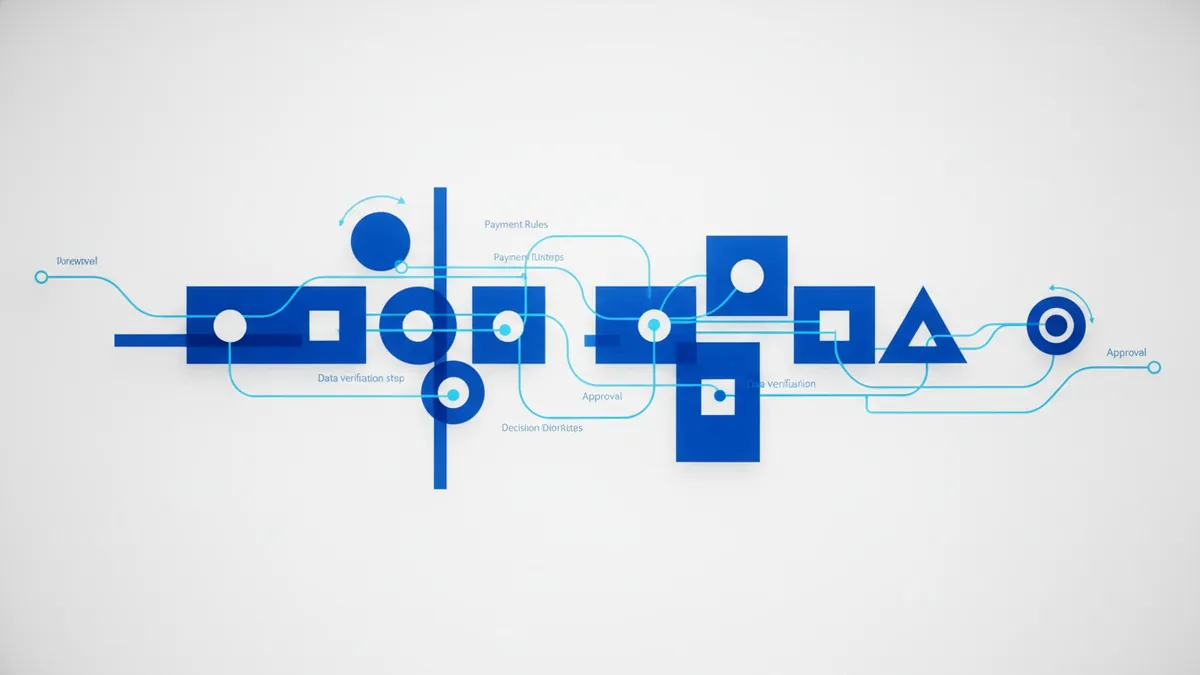
The Claims Process in Healthcare
The healthcare claims process begins when a provider submits a claim. The claim lists services, dates, patient info, and codes. The payer then reviews the claim for basic fit.
Next, the payer validates the claim fields and key values. It checks if the patient was eligible at the time. It also checks for missing data and bad formats.
Then comes adjudication, which means the payer decides what to pay. It uses plan rules, contract rules, and a price list. It also checks if the service fits the plan.
If the claim looks risky, the payer may hold it for review. Some claims are pended for more proof. Other claims can be denied when data fails rules.
- Submit: the provider sends the claim with codes.
- Validate: the payer checks eligibility and required fields.
- Adjudicate: the payer applies coverage and price rules.
- Pay: the system calculates the provider payment amount.
- Report: the payer sends a remittance record.
Those steps create data for later audits in healthcare. That is how the provider payment system learns. It also helps fraud prevention in healthcare payments.
Pre-Payment and Post-Payment Reviews
Pre-payment review happens before the provider payment is issued. It aims to stop clear billing errors fast. This cuts rework and keeps recoveries lower.
Common checks include coding checks and proof checks. The payer may compare the billed codes to the chart notes. It may also check service dates for consistency. Each check aims to reduce wrong payments.
Post-payment review happens after the payer already paid. It looks for errors the first pass missed. It also finds odd patterns across many claims.
Audits in healthcare often use both manual work and data rules. Manual work helps when the case is complex. Data rules help when the volume is high.
| Review type | When | Main goal | Common results |
|---|---|---|---|
| Pre-payment review | Before payment | Stop obvious errors | Approve, hold, deny, ask for proof |
| Post-payment review | After payment | Fix what slipped | Refunds, recoupment, rule updates |
A payer should not treat reviews as one-time events. It should feed findings back into new edits. That builds a stronger provider accountability loop.

Importance of Payment Integrity
Payment integrity matters because claims are big and rule-heavy. Even a small error rate can add up fast. This raises costs for plans and for patients.
Cost control in healthcare improves when wrong payments drop. Fewer wrong bills means fewer disputes and fewer refunds. Teams also spend less time on paperwork.
Provider payment integrity also supports provider accountability. When errors are measured, feedback can be clear. Providers can correct patterns, not guess what went wrong.
For patients, correct claims support fair benefit use. It also reduces surprise bills after payment reviews. That supports steadier care plans and trust.
- Less loss: fewer overpayments and fewer refunds.
- Less delay: fewer pended claims and faster pay.
- More accuracy: better coding and proof use.
- Better trust: clearer audit results and steps.
Fraud prevention in healthcare payments needs strong controls too. Bad actors often target gaps in data and review rules. Better checks raise the chance of being caught.
Challenges in Maintaining Payment Integrity
Health plans struggle with scale. They must review many claims each day. That puts pressure on review teams and systems.
Another issue is data quality. Claims may lack proof or have wrong fields. Coding may vary even when care is real. This can look like fraud even when it is not.
Rules also change. Plan terms can shift mid-year. Contracts can update too. If a team lags behind, edits can drift and miss errors.
Fraud tactics evolve as controls improve. Some schemes use small changes across many claims. Others reuse patient data or billing templates. Detecting them needs steady monitoring.
Operational limits also matter. Manual work is costly and hard to staff. When queues grow, review quality can drop. That hurts the provider payment system reliability.
- Rule drift: policy and contract updates lag behind.
- Coding variance: real care differences look like outliers.
- Missing records: pre-payment review cannot check everything.
- New fraud: bad patterns shift as defenses harden.
- Split data: teams see the claim but not the full story.
Some workflows add extra complexity. For instance, a calworks child care provider payment request can require extra eligibility checks. It may also need service date checks and provider agreement checks.
Emerging Trends in Payment Integrity
New tools are changing provider payment integrity work. Data analytics in payment integrity helps spot risk signals. Teams can use patterns across claims, providers, and time.
Many plans now use near real-time checks. When a claim lands, the system can score risk quickly. High-risk claims can get deeper review before payment. Low-risk claims can move faster.
This improves fraud prevention in healthcare payments. It also cuts review load. Teams focus where issues are most likely.
Closed-loop learning is also growing. When audits find a root cause, the payer updates rules. The update can improve pre-payment review for similar claims next time. This reduces repeat errors.
- Risk scoring: rank claims by risk level.
- Better match: reduce duplicate and identity errors.
- Anomaly alerts: spot unusual billing patterns.
- Rule updates: apply audit fixes to future claims.
More teams also connect more systems. They link claims data with contracts and credential data. This helps reduce handoff errors in the provider payment system.
Overall, payment integrity is becoming more proactive. It uses faster checks and smarter reviews. It also uses ongoing learning from audits.
FAQ
What is provider payment integrity?
Provider payment integrity is the set of controls that helps ensure correct pay for covered, documented care. It uses checks during claims processing and it continues after payment. The aim is accurate provider payment, not guesswork.
How does the healthcare claims process affect payment integrity?
The healthcare claims process shapes payment integrity through validation, pricing, and adjudication. Early steps feed data into later audits. If the input data is weak, review teams must work harder.
Why are pre-payment reviews important?
Pre-payment review helps stop clear billing errors before money is released. This reduces waste and lowers the need for refunds later. It also helps protect compliant providers from extra denials.
What do post-payment reviews accomplish?
Post-payment review finds errors that first-pass checks may miss. It also supports refunds and recoupment when a claim should not have been paid. It then guides better edits for future claims.
How does fraud prevention in healthcare payments work?
Fraud prevention uses rules, proof checks, and risk signals from claim history. It also uses audits in healthcare to confirm findings. This helps teams act with evidence, not hunches.
What tools support payment integrity monitoring today?
Many teams use data analytics in payment integrity, automated edits, and risk scoring. More mature programs also link audit results back into the review rules. That helps keep the provider payment system aligned with real care.
Frequently asked questions
What is ACH payment processing?
ACH payment processing is the process that sends electronic payments through the Automated Clearing House network. It uses bank accounts instead of card rails.
How long do ACH payments take?
ACH processing times can be same-day or take a few business days. Timing depends on when the payment is initiated and bank processing windows.
What are the two main ACH transaction types?
The two main types are ACH Direct Deposit and ACH Direct Payments. Direct deposit pushes funds to a bank account, while direct payments collect or pay via bank account.
How is ACH payment security handled?
ACH payments use encryption and follow network rules set by Nacha. Processors also apply controls to manage exceptions and reduce fraud risk.
Is free ACH payment processing available for small business?
Some providers offer low entry costs, but pricing structures differ. Review all fees, including transaction and monthly costs, before you switch.
Can I do international ACH payment processing?
Some providers support cross-border flows, but setup can depend on partner rails. Confirm coverage, fees, and settlement times for your specific countries.