Payment System Architecture: How Modern Payments Work
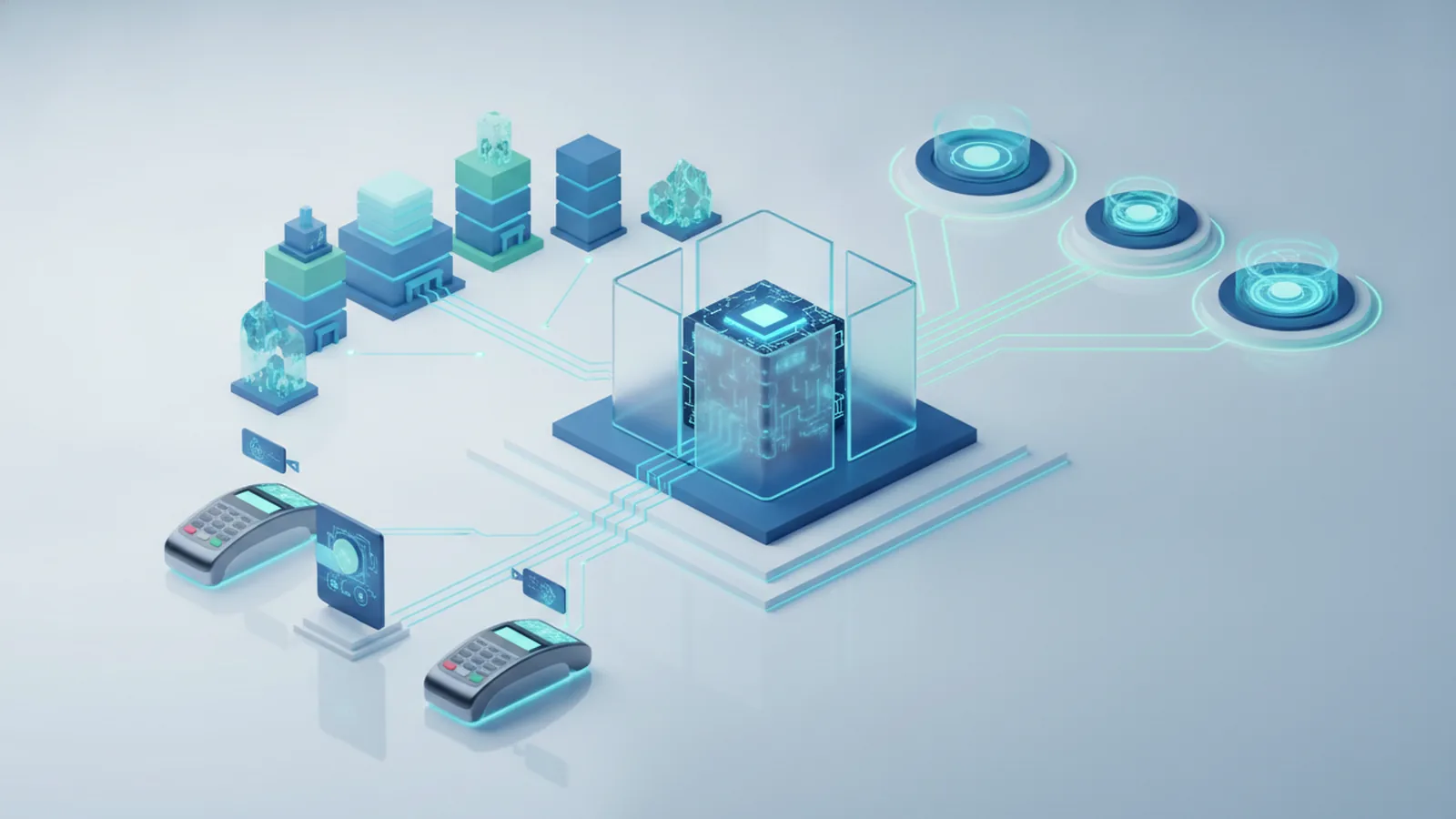
What payment system architecture does
Payment system architecture is the set of services that moves money data safely. It links customers, merchants, banks, card networks, and risk tools. A strong design also tracks each payment from request to final result.
Older systems ran on bank servers and closed card networks. They used fixed links, batch files, and large central databases. Online commerce then added web gateways, APIs, and real-time approval calls.
Modern payment processing architecture splits work into smaller services. One service may handle checkout, while another checks risk or records settlement. This split helps teams change one part without stopping the whole payment flow.
A payment system architecture diagram often shows five layers. The user layer starts the payment. The service layer checks rules. The gateway layer sends requests. The bank and network layer seeks approval. The data layer stores events, records, and reports.
- Front end: Checkout pages, apps, terminals, and digital wallets
- Service layer: Pricing, order checks, fraud checks, and payment rules
- Gateway: The secure link to payment providers
- Bank and network layer: Issuers, acquirers, and card networks
- Data layer: Payment events, refunds, disputes, and settlement records
The goal is clear ownership. Each part should have one main job and a clear failure path.

The core parts of payment processing
A payment processor connects a merchant with banks and card networks. It sends payment details for approval. It then returns an approved, declined, or pending result.
A payment gateway system architecture handles the secure message path. The gateway accepts a request from a site or app. It checks the request, protects sensitive data, and passes the request to a processor.
The transaction management system records the payment state. It tracks events such as created, approved, captured, refunded, and disputed. This record stops duplicate charges and supports later checks.
The payment authorization process follows a set flow. A customer submits payment details. The gateway checks the message and sends an authorization request. The issuer checks funds, account status, and risk rules. It then sends an approval or decline back through the same path.
- The customer starts a payment at checkout.
- The gateway checks format, amount, currency, and merchant data.
- The processor sends the request to the right network or bank.
- The issuer approves or declines the request.
- The system returns the result and stores each event.
- The merchant later captures funds and receives settlement.
Approval does not always mean money has moved. Capture starts the final funds flow. Some systems capture at once. Others capture after shipping or service delivery.
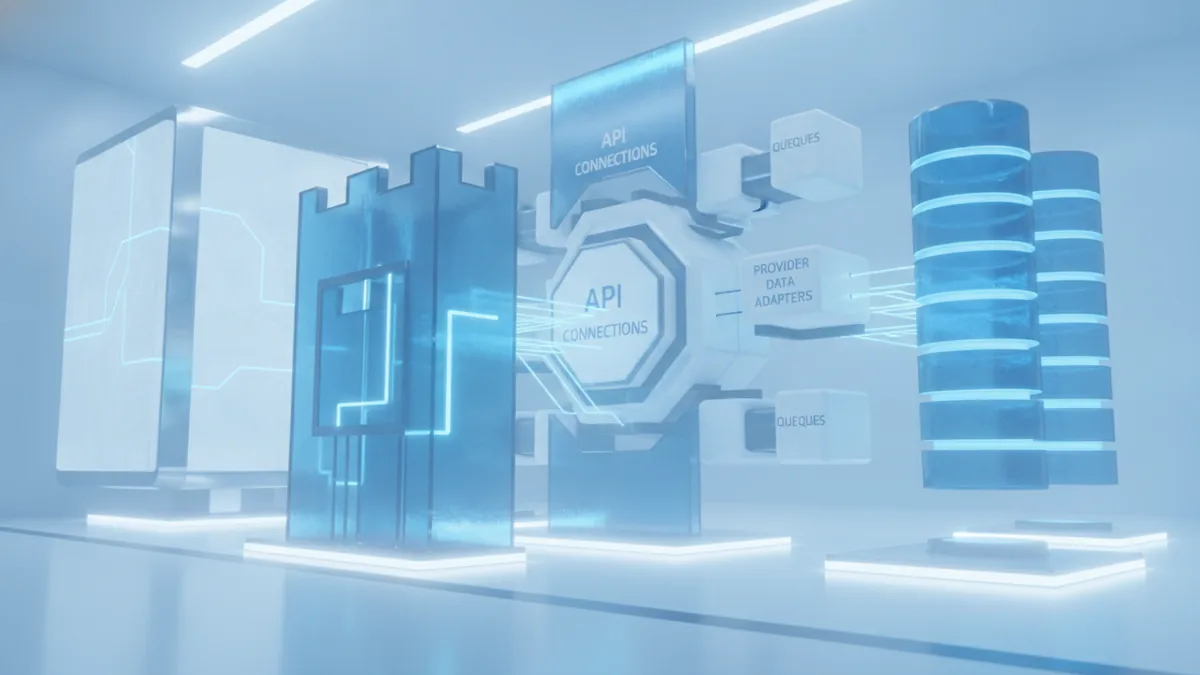
How to design a payment gateway
Start with a simple boundary. The gateway should accept payment requests, not run every business task. Keep orders, stock, billing plans, and payment records in separate services.
Use APIs (application programming interfaces) for clear links between these services. An API lets two systems exchange set data through set rules. This improves interoperability across banks, wallets, fraud tools, and payment providers.
Every request needs a unique idempotency key. This key lets the system spot a repeated request. It prevents a network retry from creating a second charge.
Build the gateway around short steps and clear time limits. A request should end in success, decline, failure, or pending status. Do not leave a payment in an unknown state without a repair job.
| Gateway layer | Main duty | Useful design choice |
|---|---|---|
| API edge | Accept and check requests | Rate limits and request IDs |
| Payment service | Run payment rules | Idempotent payment commands |
| Provider adapter | Map each provider format | One common internal model |
| Event store | Keep payment history | Append-only records |
| Worker queue | Run slow follow-up tasks | Retries with backoff |
Provider adapters are key to a flexible gateway. Each adapter speaks one provider's format. The gateway keeps one shared format for the rest of the platform.
A payment orchestration platform may add routing across many providers. It can choose a provider by region, cost, or approval rate. This adds power, but it also adds more state and support work.

Mobile payment architecture versus online checkout
Mobile payment system architecture must handle weak networks, small screens, and device risks. A mobile app may call a backend API. The backend then calls the gateway and payment provider.
Some mobile systems use a hosted checkout page. Others use a software kit from a payment provider. A third model uses a digital wallet token. The wallet sends a token instead of the real card number.
Traditional online payment system architecture often trusts a browser session. Mobile systems must also protect the app, device, and local data. They must handle app restarts, background limits, and changing network links.
Keep secrets on the server. The app should receive short-lived tokens and safe payment results. It should never hold a private provider key or full card number.
- Hosted mobile checkout: Fast to launch, with less control over the screen
- Provider software kit: Better app control, with more code to maintain
- Wallet token flow: Less card data exposure, with wallet rules to support
- Direct backend flow: Full control, with more security work
Mobile payment flows also need clear retry rules. Show one result to the customer. Check the server before asking the customer to try again.

Scaling payment systems under heavy load
High-volume payment systems face sharp traffic peaks. A sale event may create ten times the normal checkout load. The system must keep taking requests while banks respond at different speeds.
Do not scale every part in the same way. The API edge may need more copies during a rush. The event store may need faster writes. A worker queue may need more workers for refunds and receipt jobs.
Use automated scaling solutions for stateless services. Keep shared state in durable stores with clear write rules. Cache safe reference data, such as currency lists. Never cache a live approval result for reuse.
High availability systems use more than one service copy. They also need health checks, failover, and tested recovery plans. A backup that has never been tested is not a recovery plan.
- Set a target for response time and approval success.
- Load test normal traffic, peak traffic, and sudden bursts.
- Place slow work behind queues.
- Use time limits for provider calls.
- Retry only safe requests.
- Track stuck, late, and duplicate payments.
Legacy payment systems can limit scale through fixed links or batch jobs. A safe path is gradual change. Add an API layer first, then move one payment task at a time.
Security and rules for payment systems
Security starts with data reduction. Keep less sensitive data when possible. Use payment tokens so stored records do not contain full card details.
Encrypt data in transit and at rest. Limit staff access by role. Record each access and change. Review service accounts as often as user accounts.
Payment systems must meet rules for card data and local privacy laws. The PCI Data Security Standard sets a broad security baseline for card data. Its scope depends on how a firm stores, sends, or handles that data.
Use strong sign-in checks for staff and risky customer actions. Add fraud checks before approval when the cost of a bad payment is high. Keep rules explainable enough for support teams to review.
| Risk | Control |
|---|---|
| Duplicate charge | Idempotency keys and payment state checks |
| Stolen card data | Token use, encryption, and access limits |
| Fake checkout calls | Signed requests, rate limits, and bot checks |
| Service outage | Failover, queues, and tested recovery |
| Hidden data change | Audit logs and locked event records |
Security also covers suppliers and payment partners. Check their controls, breach process, and data path. A weak partner can widen your risk even when your own code is sound.
Where payment architecture is heading
Payment platforms are moving toward cloud tools, shared APIs, and event-based design. These patterns help teams add providers without rebuilding checkout. They also make payment history easier to trace.
Token use will grow across cards, wallets, and account payments. EMVCo explains how payment tokens replace card data in many payment flows through its payment tokenisation guidance. Tokens can lower risk, but teams must still protect keys and device access.
Smart routing will use more live signals. A route may depend on region, cost, provider health, or past approval rates. The system must keep a clear record of each choice.
Real-time payments will also push new designs. They need quick checks, strong fraud controls, and near-live balance updates. The best architecture will stay open, traceable, and ready for failure.
Plan for change from the start. Keep provider links behind adapters. Keep payment events durable. Keep security checks part of each release.
Frequently asked questions
What is payment system architecture?
Payment system architecture is the design of services that move payment data safely. It covers checkout, gateways, processors, banks, risk checks, and records.
What is the difference between a payment gateway and a processor?
A gateway receives payment requests and sends them to a processor. The processor connects with banks or card networks for approval.
How does payment authorization work?
The customer starts a request, and the gateway checks its data. The issuer then approves or declines it through the processor and gateway.
How do you make a payment system scalable?
Use separate services, durable payment records, queues, time limits, and safe retries. Test peak traffic and provider failures before launch.
What security standards apply to payment systems?
Common controls include token use, encryption, access limits, audit logs, fraud checks, and PCI DSS controls. The exact duties depend on the data path.
How does mobile payment architecture differ from online payment architecture?
Mobile systems must handle weak networks, device risks, app restarts, and wallet tokens. They often use a backend API rather than direct app access to providers.