5 Building Blocks of Network Payment Solutions
What Are Network Payment Solutions?
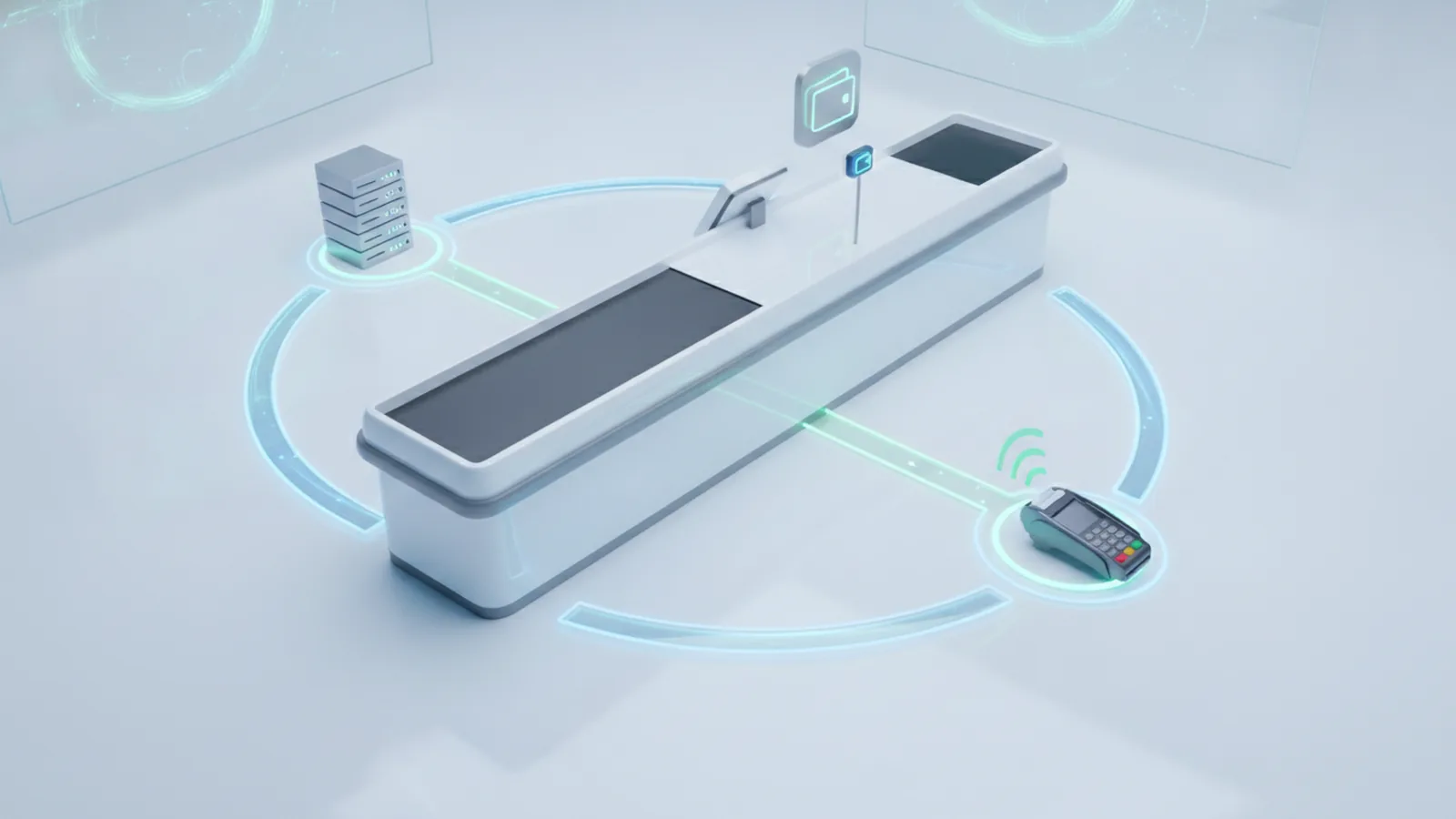
Network payment solutions are tools and services that move money through digital networks. They let customers pay without cash by using cards, bank accounts, wallets, or mobile devices.
A network payment system links the buyer, seller, bank, card network, and payment provider. Each party handles a clear part of the payment. The system checks the payment, seeks approval, and moves funds to the seller.
For example, a customer may buy goods online with a debit card. The seller sends the payment request to a gateway. The gateway sends it to the right bank or card network. The seller then gets an approval or decline message.
These services support shops, apps, marketplaces, banks, and subscription firms. They can also manage refunds, recurring payments, fraud checks, and payment records.
Why Businesses Use Network Payment Services

Speed is one of the clearest benefits. Most payment checks take only a few seconds. Fast approval helps customers finish checkout before they change their minds.
Network payment services also improve reach. A business can accept cards, bank payments, and digital wallets through one setup. Customers can then pay with the method they already trust.
Good network payment solutions add resilience. They can route a payment through another bank or provider when one path fails. This reduces failed sales during outages or busy periods.
- Faster checkout: Most requests receive a result within seconds.
- Wider access: Customers can use cards, bank accounts, wallets, or phones.
- Better records: Merchants can track payments, refunds, and failed requests.
- Stronger controls: Risk checks can flag unusual payment behavior.
- Easier growth: One service can support new markets and sales channels.
These gains still depend on good system design. A slow website can harm checkout even when the payment network works well. Clear error messages also help customers recover from failed payments.
Common Types of Network Payment Gateways
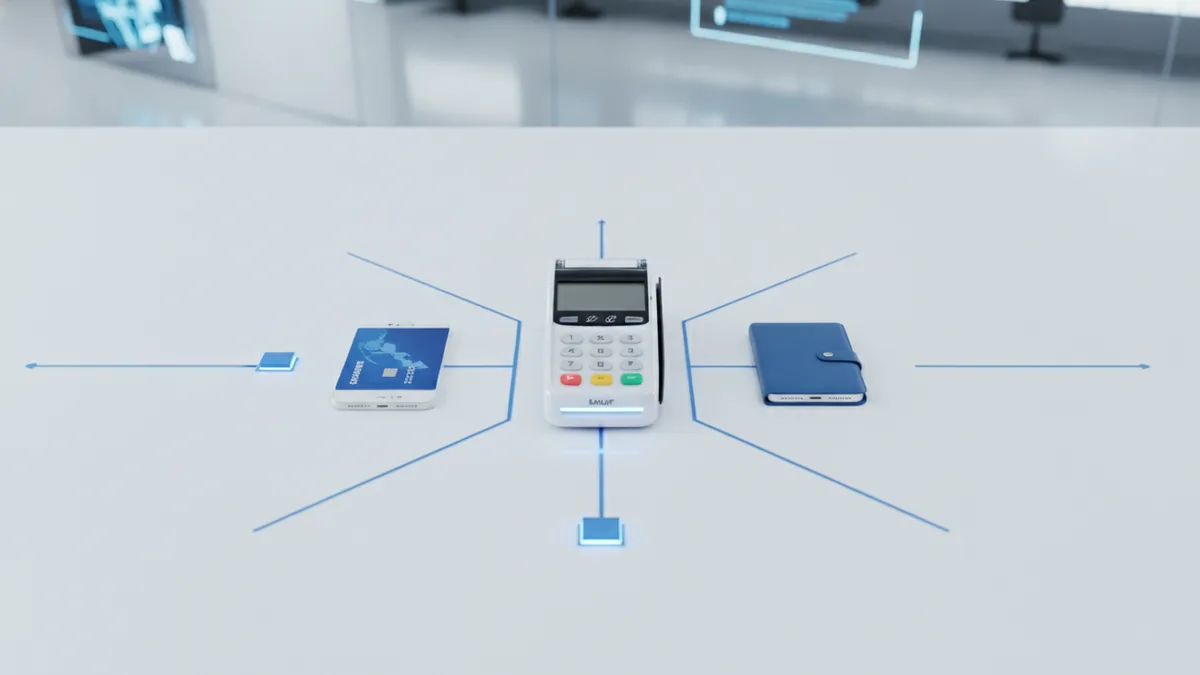
A network payment gateway is the link between a business and a payment network. It collects payment details and sends them through a safe connection. The gateway then returns the bank's result.
Card gateways support credit cards, debit cards, and stored card wallets. They may use tools such as tokenization. Tokenization replaces card data with a safer value during later payments.
Electronic funds transfer, or EFT, moves money between bank accounts. Customers may pay through bank debit, wire transfer, or local bank rails. EFT payments often cost less than card payments, but some take longer to clear.
Peer-to-peer gateways support payments between individuals. They power wallet transfers, split bills, and direct payments inside apps. Many P2P services also offer links for small sellers.
| Gateway type | How it works | Best fit |
|---|---|---|
| Card gateway | Checks card details through a card network | Online shops and subscriptions |
| EFT gateway | Requests a bank account transfer | Invoices and large payments |
| P2P gateway | Moves funds between user accounts | Marketplaces and social apps |
Mobile payment solutions can use more than one gateway type. A phone wallet may use a card rail behind the scenes. A bank app may use an account transfer instead.
How a Network Payment System Processes a Transaction

A payment follows several steps from checkout to settlement. The steps may look instant to the buyer. Behind the screen, several systems exchange messages.
- Payment capture: The customer enters payment details or chooses a saved method.
- Gateway request: The gateway checks the request and sends it to the payment network.
- Authorization: The issuing bank checks the account, funds, and risk signals.
- Response: The bank sends an approval or decline through the same path.
- Capture: The merchant confirms that it wants to claim the approved funds.
- Settlement: Banks exchange funds, then the merchant receives the payout.
Authorization does not always mean the seller has the money. It means the bank has approved the request for now. Capture starts the next stage. Some businesses capture payment at once. Others capture it when goods ship.
Settlement groups approved payments and moves funds between banks. The timing can range from the same day to several business days. It depends on the payment type, market, risk checks, and provider rules.
Security checks run across the flow. A provider may check device data, location, spending patterns, and account history. Strong payment systems also protect data while it moves and while it rests.
The PCI Security Standards Council's PCI DSS standard sets key rules for firms that store, process, or send card data. A provider that lowers card data exposure can also reduce the merchant's security burden.
How to Choose the Right Network Payment Service
The best provider fits your sales model, markets, and technical stack. Start with payment methods that your customers use today. Then check whether the service can add new methods later.
Integration matters as much as price. Look for clear application programming interfaces, software kits, webhooks, and test tools. These features help your team connect payments without rebuilding the whole product.
Review the provider's security controls before signing a contract. Ask how it protects card data, handles fraud, and manages account access. Also check its record for outages and its plan for service recovery.
- Supported cards, wallets, bank rails, and local payment methods
- Setup fees, per-payment fees, currency costs, and payout charges
- Tools for refunds, recurring billing, disputes, and payment reports
- Risk checks, token storage, encryption, and access controls
- API quality, test mode, software kits, and technical support
- Payout timing, reserve rules, and limits on high-risk sales
Test the full payment path before launch. Run approved, declined, refunded, and disputed payments. Check what the customer sees at each stage. A cheap service can cost more if failed payments and support work rise.
Ask for real service targets as well. These may cover uptime, response times, support hours, and outage notices. Clear terms make it easier to judge the service after launch.
Future Trends in Network Payments
Mobile payments will keep shaping checkout. Phones now combine wallets, bank apps, biometrics, and near-field tools. This lets customers pay in stores, inside apps, and at unattended points.
Embedded finance is also growing. It places payment and money tools inside a non-bank product. A marketplace may offer seller payouts. A travel app may add cards or split payments within its own flow.
Virtual currencies may support new payment paths, especially across borders. Stablecoins aim to keep a steadier value than many other digital coins. Businesses still need to weigh price swings, legal rules, custody, and customer demand.
Smarter fraud tools will shape approval rates. New models can review more signals without adding steps for every buyer. Human review will still matter for unusual or high-value payments.
Open banking may also expand account-to-account payments. Customers can approve a bank transfer without sharing card details. This can lower fees in some markets. It may also bring new risks around consent and account access.
The strongest providers will support choice without adding needless friction. They will join card, bank, mobile, and new digital rails through one steady system. Businesses should choose a partner that can grow with these changes.
Frequently asked questions
What are network payment solutions?
Network payment solutions are tools that move cashless payments through digital networks. They connect buyers, sellers, banks, card networks, and payment providers.
What does a network payment gateway do?
A network payment gateway sends payment details to the right bank or payment network. It returns an approval or decline message to the seller.
How does a network payment system work?
A payment is captured, checked, approved, and then settled. Settlement moves the approved funds to the merchant account.
How do I choose a network payment service provider?
Key factors include payment methods, fees, security, integration tools, payout speed, support, and service uptime.
What are the main trends in network payments?
Mobile wallets, embedded finance, open banking, smarter fraud tools, and stablecoins are shaping network payments.