Fintech Payment Solutions: Costs and Security

What Are Fintech Payment Solutions?
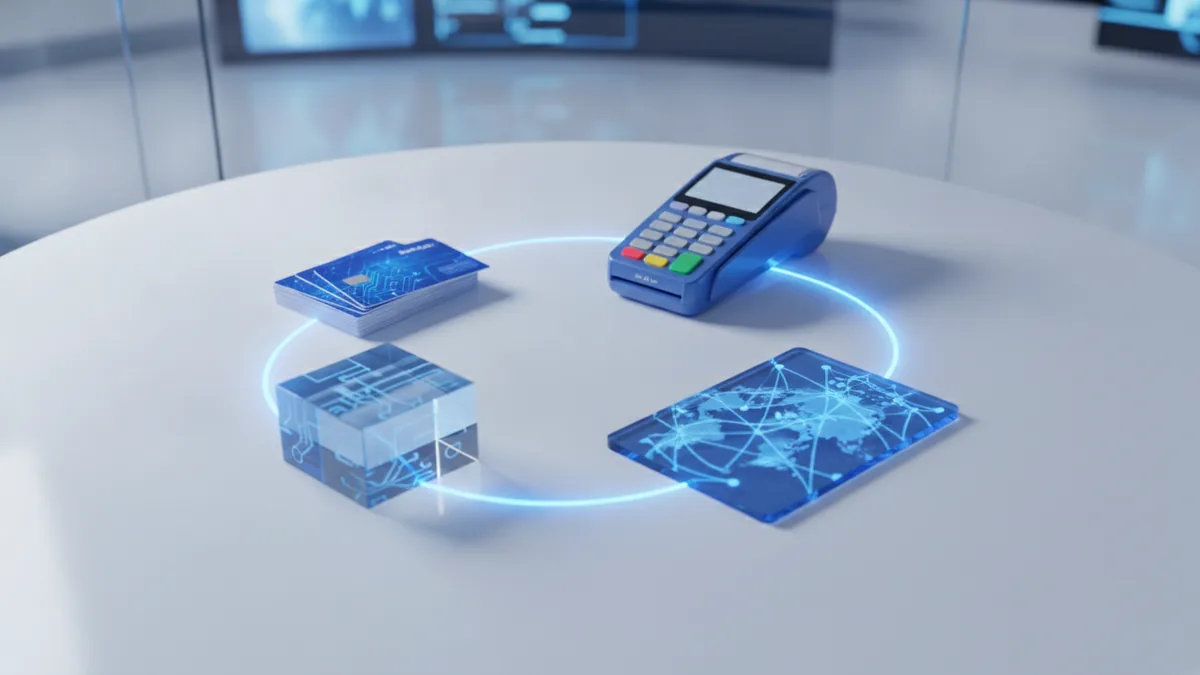
Fintech payment solutions are tools that help businesses accept, move, and manage money. They support online and offline payments through cards, bank accounts, wallets, and mobile devices. The right fintech payment platform can link checkout, fraud checks, settlement, and reports in one flow.
These tools include payment gateways, payment processors, and payment orchestration platforms. A gateway sends payment details from checkout to the payment network. A processor handles the payment request and returns an approval or decline.
Businesses can also use integrated finance solutions. These may add billing, lending, payouts, or account tools to an existing product. Your needs depend on sales channels, payment types, regions, and monthly payment volume.
Key Types of Fintech Payment Solutions
No single system fits every business. An online shop needs fast checkout and fraud screening. A marketplace needs split payouts and seller checks. A B2B firm may need invoices, bank payments, and payment terms.
| Solution type | What it does | Best fit |
|---|---|---|
| Payment gateway | Moves payment data from checkout to the payment network | Online shops and apps |
| Payment processor | Routes payment requests and returns approval results | Businesses needing card acceptance |
| Payment orchestration platform | Manages several processors through one connection | Global firms and high-volume sellers |
| Integrated finance solution | Adds payments to billing, lending, accounts, or payouts | Platforms serving business users |
Payment gateways often include hosted checkout pages or software tools. They can reduce the work needed to build a secure payment form. They may also support digital wallets, saved cards, and mobile payment solutions.
Payment processors connect merchants with banks and card networks. A processor may offer fraud tools, recurring billing, and settlement reports. Firms with cross-border sales may need several processors for local payment methods.
Payment orchestration adds a control layer above processors. It can route each payment by region, cost, currency, or approval rate. It can also retry failed payments through another provider.
Integrated finance places payment features inside a wider business product. An invoicing platform might add card payments and bank transfers. A marketplace might add seller onboarding, tax checks, and automated payouts.
Why Businesses Use Fintech Payment Services
Good payment services can raise sales and reduce manual work. Customers can use their preferred payment method at checkout. Staff can view payment status, refunds, and payouts from one dashboard.
Speed also matters. A slow or unclear checkout can cause shoppers to leave. Tokenized card data lets returning customers pay without entering the full card number again.
Fintech payment processing can support growth across new markets. A business may add local wallets, bank rails, or currencies without rebuilding checkout. It can also compare processor results through shared reports.
- More payment choices for customers
- Faster checkout and fewer failed payments
- Lower manual work for refunds and matching
- Better data on approval rates and payment costs
- Easier support for new markets and sales channels
These gains depend on the quality of the setup. A poor payment flow can create hidden fees and support issues. Test the full path from checkout through settlement before launch.
How to Choose the Right Payment Platform
Start with your business model, not a vendor feature list. An e-commerce store may need hosted checkout, wallets, and recurring payments. A marketplace may need split payments, seller checks, and fast payouts.
Next, map your payment flow. List each sales channel, country, currency, and payment method. Note which teams need access to reports, refunds, and dispute data.
Then compare each fintech payment platform against clear measures. Ask for test access and run real payment cases. Include refunds, failed cards, chargebacks, partial payments, and payout delays.
- List your payment methods, markets, and monthly volume.
- Set targets for approval rate, uptime, payout speed, and support.
- Check each provider's tools for fraud, refunds, disputes, and reports.
- Test API integration, webhooks, data exports, and failure recovery.
- Model total cost at low, normal, and peak payment volume.
Check the technical fit as well. Your developers may need APIs for checkout, refunds, and payment status. Clear webhooks can prevent missed updates when a payment changes state.
Also review support and exit terms. Ask how fast the provider handles outages and disputed payments. Confirm how you can export customer, payment, and settlement data.

Pricing Models for Fintech Payment Processing
Payment pricing often uses three main models. Flat-rate pricing charges one set fee for each payment. It is simple and suits firms with low or mixed payment volume.
Interchange-plus pricing separates the card network cost from the provider markup. It can cost less at high volume. It also makes the bill harder to read without good payment reports.
Subscription pricing adds a fixed monthly charge. Some plans then use lower per-payment fees. This model may suit firms with steady volume and a need for advanced features.
| Pricing model | Useful when | Main watch point |
|---|---|---|
| Flat rate | Volume is low or hard to predict | Fees may rise as volume grows |
| Interchange plus | Volume is high and steady | Statements need close review |
| Subscription | Advanced tools matter each month | Unused plan fees can reduce value |
Build a simple cost model before signing. Add per-payment fees, monthly fees, currency costs, refunds, disputes, and payouts. Compare the result at three volume levels.
For example, a store with 500 payments each month may value simple flat pricing. A firm with 100,000 payments may gain from custom rates. The cheapest listed fee may not deliver the lowest total cost.
Compliance and Security Checks
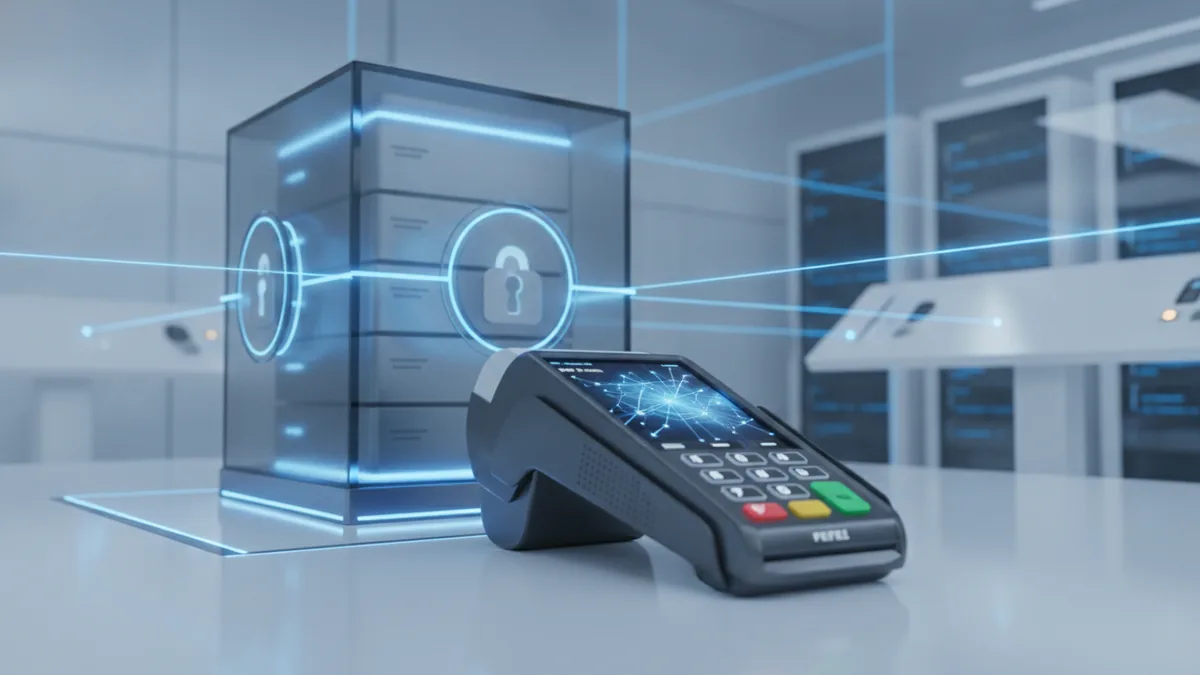
Businesses that handle card data must take security seriously. The Payment Card Industry Data Security Standard, or PCI DSS, sets controls for card data. Review the PCI Security Standards Council's PCI DSS guidance before choosing your payment setup.
Your duties depend on how card data moves through your systems. A hosted checkout may reduce your direct exposure. It does not remove the need for sound access rules, vendor checks, and incident plans.
Look for strong sign-in controls, encryption, token use, and audit logs. Limit staff access to the data and tools they need. Keep keys and payment secrets out of source code and shared documents.
- Map where payment data enters, moves, and rests
- Confirm the provider's PCI scope and current reports
- Use strong sign-in checks for staff and admins
- Test webhooks and API calls for replay and abuse
- Set plans for fraud, outages, disputes, and data loss
Fraud control needs balance. A strict rule can block good buyers. A weak rule can raise losses and payment disputes.
Ask providers how their tools score risk and learn from results. Track false declines, fraud losses, dispute rates, and approval rates together.
Where Fintech Payments Are Heading
Embedded finance will place more payment features inside business software. A booking tool may collect funds, pay suppliers, and offer credit. Users will get these services without leaving the main product.
APIs will support more links between banks, processors, finance tools, and business systems. This can speed up new features and reduce duplicate data entry. It also makes access control and API monitoring more important.
Real-time payments will grow in markets with fast bank rails. They can support quick payouts, account funding, and B2B invoices. Firms must still manage fraud, refunds, and proof of payment.
Greater financial inclusion will shape product design. Mobile wallets and low-cost bank payments can reach customers without cards. Clear fees and simple flows can help users with limited access to formal finance.
These trends will not remove the need for careful vendor choice. Pick a system that supports today’s flow and tomorrow’s channels. Keep your data portable, your controls clear, and your costs measurable.
A Practical Way to Make Your Choice
Choose a gateway when you need a clear path to online acceptance. Choose a processor when you need stronger payment routing and bank links. Choose orchestration when several processors or markets create routing problems.
Choose integrated finance when payments form part of a wider platform. This can help marketplaces, B2B software, and service networks. Review the added risk before launching lending, wallets, or payouts.
The best fintech payment solution matches your payment flow, team, and growth plan. Compare total cost, security duties, payment coverage, and support. Then test the full customer journey before you move live.
Frequently asked questions
What are fintech payment solutions?
A fintech payment solution helps a business accept, route, manage, and report payments. It may include a gateway, processor, orchestration layer, or finance tools.
What is the difference between a payment gateway and processor?
A gateway passes payment details from checkout to the payment network. A processor handles the payment request and connects the merchant with banks and card networks.
Which payment pricing model is best for a small business?
Flat-rate pricing suits low or mixed volume. Interchange-plus pricing may suit high volume. Subscription plans can work well when advanced tools are used each month.
Which fintech payment platform is best for marketplaces?
Marketplaces often need split payouts, seller checks, and dispute tools. E-commerce firms may focus on checkout speed, wallets, and recurring payments.
What is PCI DSS in payment processing?
PCI DSS is a card data security standard. Businesses should map card data, review provider scope, and use strong access and security controls.
What are the main future trends in fintech payments?
Embedded finance adds payments, payouts, lending, or accounts inside another product. APIs help connect these features with business and banking systems.