eCommerce Payment Systems: Types, Workflows, and Selection Tips

What eCommerce payment means for online stores
An ecommerce payment is how customers pay on your site. It also covers how money moves to you. It is not just card input. It is a full payment flow.
Global e-commerce sales were set to reach $5.9 trillion in 2023. Online retail was 20.8% of all retail sales. That growth means you need payment flows that can scale. You also need smart fraud checks.
An ecommerce payment system can help you accept more payment types. It can also cut payment failures. That helps checkout finish faster. It also helps your team reconcile sales.
- Customer pays at checkout using a supported method
- Money is checked, then sent to your account later
- Reports help you match sales to deposits
- Security steps protect card and bank data
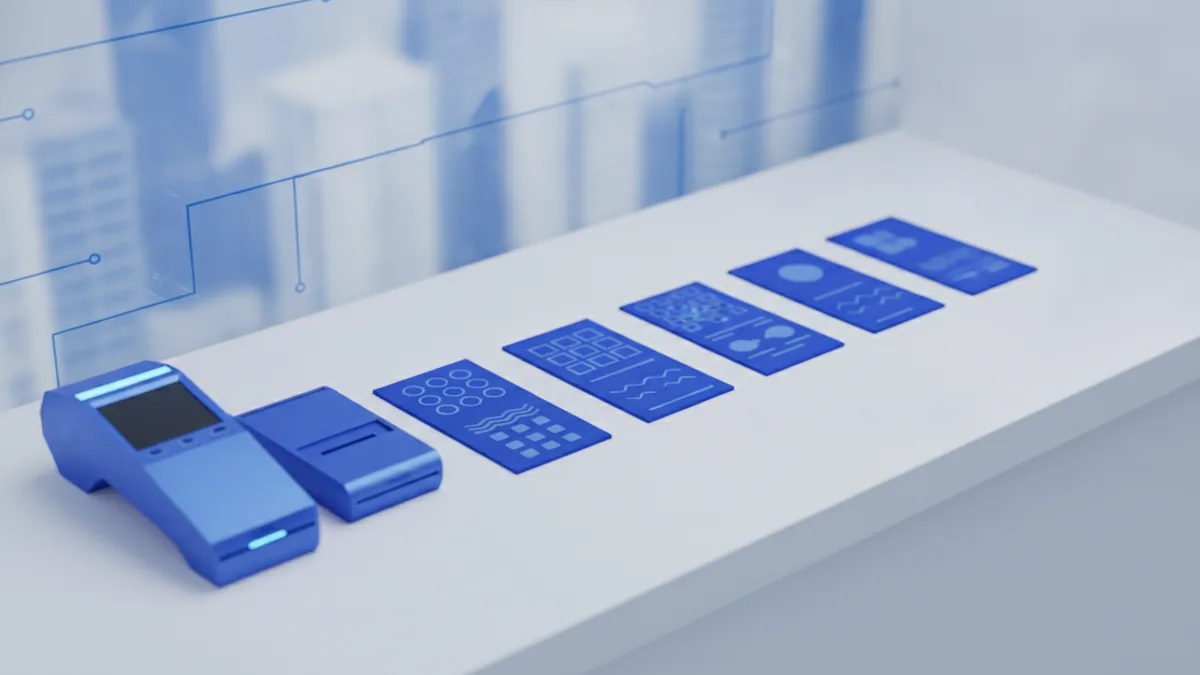
How an ecommerce payment system processes payments end to end
A typical ecommerce payment system has a few core parts. A payment gateway sends checkout data onward. A payment processor routes the request. A merchant account holds settlement details.
Think of the gateway as the safe “delivery door.” It sends data for checks. The processor then talks to the right rails. That returns an approval or a decline.
After approval, the payment still has more steps. Clearing moves the payment info across banks and networks. Settlement then moves funds into your account. This is why you may see “pending” first.
Bank transfers and ACH work too, but time differs. Cards often settle faster than bank pulls. So you should plan order timing. You should also watch payment status updates.
| Part | Job | Why it matters |
|---|---|---|
| Payment gateway | Links checkout to payment rails | Helps keep data safe and flows quick |
| Payment processor | Runs the auth and routing | Can lift approval rates |
| Merchant account | Manages settlement for your store | Supports payouts and clean reports |

Common types of ecommerce payment methods
Credit and debit cards are the most common choice. They support broad reach for ecommerce payment. They also often get fast approval from banks. Many stores keep them as the first option.
Digital wallets are also common. A digital wallet stores payment details for the buyer. It can speed checkout on mobile. It also lowers typing mistakes.
Bank transfers or ACH are another path. ACH is a bank-to-bank transfer. It can be cheaper in some cases. But settlement can take longer.
Buy Now Pay Later, or BNPL, lets buyers split pay dates. It can boost conversion for some shoppers. It adds its own risk checks. So you need reporting that covers BNPL outcomes.
- Cards: broad use and fast checks
- Digital wallets: quick checkout and fewer form errors
- ACH transfers: bank funding with slower settle times
- BNPL: split pay with extra approval rules
For global sales, cross-border payments add rules. You may need multi-currency support. You also need to confirm where money settles. Not all ecommerce payment services handle every market.

How to choose the right ecommerce payment provider
Start with your payment goals and sales markets. Then pick a provider that matches them. If you sell in many countries, look for multi-currency support. If you sell mostly local, focus on speed and low declines.
Transaction fees drive your unit costs. Fees can include per-charge cost and a percent rate. Some methods cost more than cards. Ask for a clear fee table for each method.
Customer support matters when payments break. You need fast help and clear fix steps. Ask about response time and escalation options. Then test their help with a small pilot.
Security compliance should be a top filter. For payment security, look for PCI DSS compliance support. PCI DSS is a rule set for payment data safety. You also want fraud prevention tools, not just basic checks.
- List your methods for cards, wallets, ACH, and BNPL.
- Compare fees using your real order size and volume.
- Check security controls like PCI DSS and token use.
- Test the build with your checkout and order system.
- Review support with real test questions first.
Integration capabilities also decide how fast you ship. Look for webhooks and clean events. Also confirm refund flows and dispute data. Strong ecommerce payment software reduces work for your dev team.

Best practices to run payments securely and efficiently
Security compliance is not “set and forget.” Treat it like a weekly habit. Use a provider that supports PCI DSS compliance and safe data handling. Also keep your checkout scope tight. Collect only what you truly need.
Fraud prevention should use more than one signal. Use rules for speed, device hints, and odd order patterns. Then review high-risk orders with a human step. This mix cuts losses and keeps good buyers moving.
Track approval and decline data every day. Watch decline reasons and payment retry outcomes. Then update your rules for common failures. This can improve conversion without adding more risk.
Connect payments to order status. When payment succeeds, fulfill quickly. When payment is pending, show a clear waiting note. When payment fails, stop fulfillment fast. This reduces chargeback risk later.
Reconciliation should be planned early. You need reports that match orders to deposits. Refund data must match as well. If you sell subscriptions, check billing and payout reports too.
- Use token steps to cut raw data exposure
- Turn on fraud checks across each payment method
- Watch decline codes and approval rates daily
- Update order status from payment events
- Run clean refund and dispute processes
Current ecommerce payment trends shaping what to build next
ecommerce payment trends point to smarter risk controls. Stores want fewer false blocks and fewer fraud hits. They also want fast checkout across devices. This puts pressure on payment system companies to keep APIs stable.
Digital wallets keep gaining share. Many buyers want one-tap pay. So wallet support becomes a must-have feature. It also helps mobile conversion.
Cross-border payments still grow in importance. Multi-currency support helps you sell without manual math. It also helps finance reconcile deposits by currency. That cuts errors and time spent on fixes.
Another trend is deeper fit with ecommerce stacks. Teams want ecommerce payment platform tools that work with carts and order tools. That means webhooks, reliable retries, and clear event data. It also means better support for refunds.
Disputes are also getting more complex. Chargebacks need better proof and faster action. So build dispute handling from day one. Keep evidence linked to the order and payment events.
Don’t judge a provider only by checkout screens. Test auth, settle timing, and reconciliation in real cases.
The phrase “ecommerce payment system for pope” is not a clear payment need. If you mean a specific org, use the same steps: security, fraud tools, and clean integration.
FAQ: ecommerce payment systems and provider selection
What is an ecommerce payment system?
An ecommerce payment system is the flow that checks and moves money. It includes a gateway, a processor, and a merchant account. It also includes reports and security steps.
What is the difference between a payment gateway and a payment processor?
A payment gateway sends checkout data to the payment path. A payment processor routes the request through the rails. It then returns the approval or decline.
Which ecommerce payment methods should I offer first?
Start with credit and debit cards for broad reach. Add digital wallets for faster mobile pay. Then add ACH or BNPL based on your buyer needs.
How do transaction fees typically work?
Fees often include a flat per-charge part plus a percent of the sale. BNPL and ACH can have different pricing. Ask for fee details by payment method.
Why is fraud prevention important for ecommerce?
Fraud prevention cuts chargebacks and stolen card attempts. It also protects real buyers from false blocks. It uses signals like device and speed patterns.
What should I look for in ecommerce payment software?
Look for clean events, solid webhooks, and easy refunds. Also check multi-currency support for global sales. Strong reporting helps your finance team reconcile fast.
Frequently asked questions
What is an ecommerce payment system?
It is the full workflow that authorizes and delivers customer payments to your business. It includes gateway, processor, and merchant account roles.
How do payment gateways and payment processors work together?
A gateway securely connects checkout to the processing network. The processor then routes the authorization and manages transaction execution.
Which ecommerce payment methods are most common?
Common options include credit/debit cards, digital wallets, ACH bank transfers, and Buy Now Pay Later. The best mix depends on your audience and markets.
What should I evaluate when choosing an ecommerce payment provider?
Compare transaction fees, customer support, security compliance, fraud prevention features, and integration capabilities. Also confirm multi-currency support if you sell globally.
Why is PCI DSS compliance important for online payments?
It helps reduce the risk of exposing sensitive payment data. Providers and merchants align controls to meet required security standards.
What are key ecommerce payment trends right now?
Expect stronger fraud prevention, smoother wallet experiences, and deeper platform integrations. Multi-currency support and better dispute workflows are also growing priorities.