Parking Payment Solutions: Mobile, Automated, and Scalable Systems

Why parking payment solutions matter
Parking payment solutions directly affect both customer experience and revenue. When the payment flow is slow or confusing, drivers leave without paying. That creates avoidable losses and adds disputes to your support workload.
Modern systems also help operators manage demand. You can shift capacity planning based on real usage. You can also reduce cash handling and improve audit trails.
For fintech teams, the key is reliability under peak traffic. Payment systems must keep working during gate rush hours. They must also integrate cleanly with existing parking operations.
- Faster payments reduce queues at entry and exit.
- Digital receipts improve compliance and reduce disputes.
- Better data helps forecast occupancy and pricing.
Core types of parking payment systems
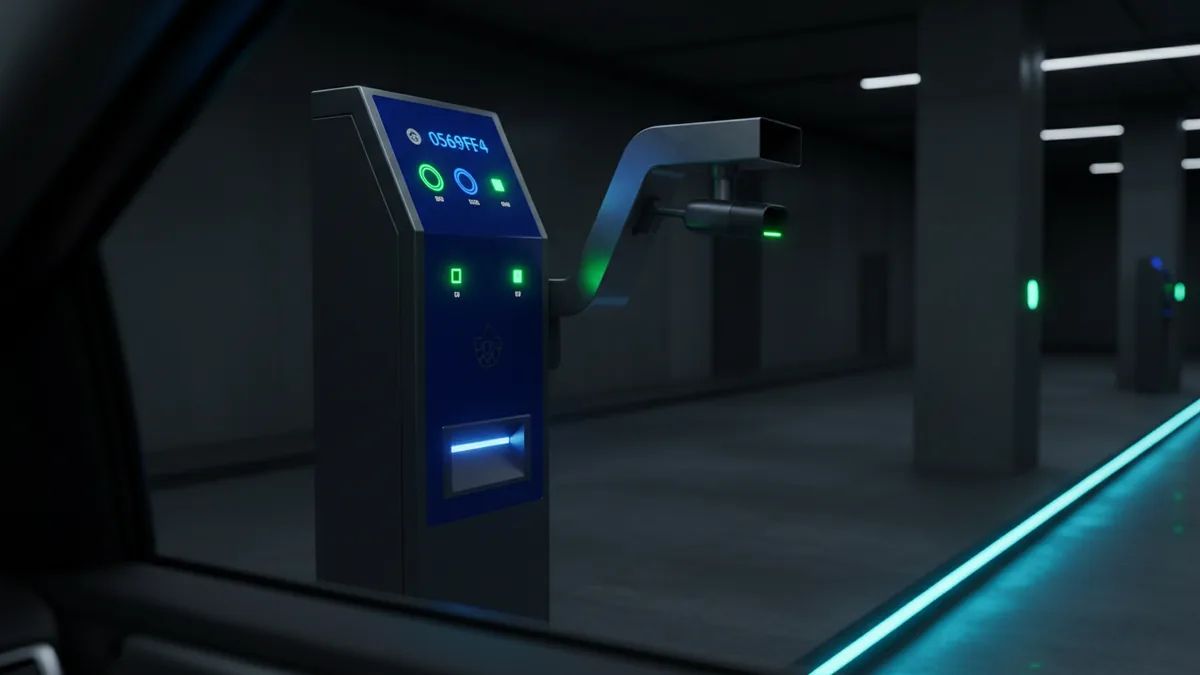
Parking payment systems typically combine several payment channels. The goal is to offer options that match each parking scenario. Some locations need card-first at an entry kiosk. Others benefit from app-first payments at the curb.
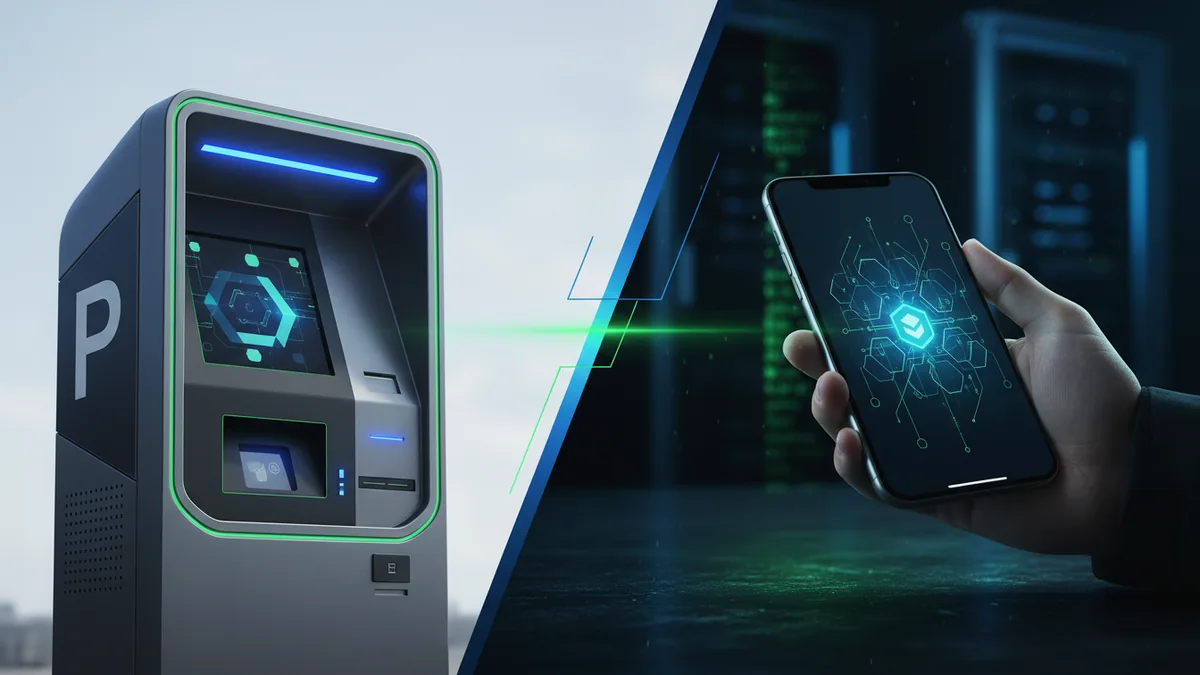
A mobile parking payment system uses a driver app or mobile web flow. The driver pays using a phone session that links to a parking session. This reduces the need for paper tickets and repeated visits to payment machines.
An automated parking payment system focuses on low-friction, station-based flows. It can read a token, license plate, or ticket identifier. Then it authorizes payment and updates the parking status automatically.
| System type | Best fit | What it improves |
|---|---|---|
| Mobile parking payment system | Urban curb zones, garages with app adoption | Fewer queues, flexible payment timing |
| Automated parking payment system | High-volume sites, structured entry lanes | Faster exits, fewer manual checks |
| Hybrid setups | Mixed demand and multi-entrance locations | Channel choice, operational resilience |
Designing an automated parking payment system
An automated parking payment system needs clear session logic. You must define how a parking session is created, matched, and closed. If matching fails, gates may not open or drivers may be overcharged.
Start with the identifier strategy. Common approaches include ticket codes, QR tokens, or license plate matching. Choose the method that fits your physical constraints and privacy requirements. Then validate accuracy rates before scaling.
Next, map the payment lifecycle end to end. Authorization is not the same as final capture. You also need clear handling for timeouts, partial payments, and reversals. The system should still behave safely when networks degrade.
Fraud prevention and risk controls
Automated payments are attractive targets for misuse. A strong fraud prevention system reduces chargebacks and false sessions. It also improves trust with acquiring banks and payment partners.
- Use idempotency to prevent duplicate charges on retries.
- Apply velocity limits per device, payment method, or identifier.
- Flag unusual duration patterns and repeated failed authorizations.
- Log every decision with a consistent correlation id.
Also consider operational fallbacks. When a payment is uncertain, the system should guide staff to a safe resolution. It should not rely on guesswork at the gate.
Building a mobile parking payment system that drivers trust
A mobile parking payment system must feel simple in under ten seconds. Drivers should understand what they are paying for without reading long instructions. The app flow should support start, extend, and stop actions with clear confirmations.
Integration is the next make-or-break factor. Your mobile flow must connect to the same session engine used by physical devices. Otherwise, drivers may pay successfully but exits may still fail. A unified session model prevents that mismatch.
For scalability, design for intermittent connectivity. Many drivers park in places with weak signal. Your system should handle delayed confirmations and queue actions safely. It should show clear status updates without hiding underlying delays.
Payment options and receipt handling
Support more than one payment rail when possible. Cards remain common, but wallets and saved payment methods can speed checkout. Also consider invoicing needs for fleets and regular commuters.
- Allow extensions without restarting the entire flow.
- Send receipts immediately after capture.
- Expose a clear dispute or refund workflow inside the driver session.
- Store session details for support audits.
Good receipt handling reduces customer service time. It also supports better reporting for operators and finance teams.
How to choose between parking payment systems
Choosing parking payment systems is about fit, not feature lists. The right option depends on site layout, driver behavior, and operational staffing. A decision framework helps you avoid costly rework after rollout.
Evaluate your current flow first. Look at where drivers get stuck today. Then quantify losses from missed payments, gate delays, and refund requests. Even simple metrics like average payment time can guide priorities.
Next, consider your integration surface. If you already run parking management software, you need clean APIs and stable webhooks. If you deploy new devices, plan for device health monitoring and update strategy. Your goal is predictable operations during peak hours.
- Map the driver journey from entry to exit.
- Decide which channel is primary: mobile, kiosk, or hybrid.
- Define session identifiers and matching rules.
- Set security and fraud controls for the highest risk actions.
- Run a pilot with realistic volume and edge cases.
Finally, plan for growth. Automated parking payment systems should scale with the number of lanes and sessions. Mobile systems should scale with user counts and peak payment traffic.
Scaling and operating payment infrastructure reliably
Reliability is a product feature in parking. Payment infrastructure must handle bursts, retries, and partial failures without losing data. It also must provide operational visibility for support teams.
Use monitoring that tracks both payment and parking outcomes. Track authorization success rate, capture delays, and gate open events. This lets you detect mismatches early. It also helps you prioritize fixes based on real driver impact.
Security matters at every layer. Protect session data, payment tokens, and operator credentials. Keep access controlled and audited. This reduces risk from internal mistakes and external attacks.
Operational playbooks and support readiness
Even the best automated parking payment system needs playbooks. Staff must know what to do when a payment is pending. They must also know how to handle reconciliation differences between devices and back office systems.
- Create a standard incident workflow for payment failures.
- Define when to retry, refund, or manually correct sessions.
- Provide staff screens with the minimum required context.
- Train teams on high-frequency edge cases.
When you ship updates, keep changes compatible with existing sessions. That reduces operational surprises during rollout windows.
Conclusion: the best parking-payment-solutions combine channels and control
The strongest parking payment solutions blend mobile convenience with automation at the right points. Drivers get a fast path to pay, and operators get fewer edge-case failures. When systems share a single session engine, exits and receipts stay consistent.
Whether you choose parking payment systems that are mobile-first or an automated parking payment system for lanes, start with the session model. Then add fraud prevention and risk controls that match your environment. Build for reliability under peak load, not just smooth demos.
With the right payment infrastructure, parking can scale like a modern fintech product. You can reduce manual work, protect revenue, and improve trust with every successful payment.
Frequently asked questions
What are parking payment solutions used for?
They help drivers pay for parking and help operators confirm payment at entry and exit. Good solutions reduce queues, disputes, and manual reconciliation.
How does a mobile parking payment system work?
A driver starts or manages a parking session from a phone. The system links that session to payment and updates the parking status for exit and receipts.
What is an automated parking payment system?
It uses lane equipment and session matching to authorize and confirm payments automatically. Gates can then update parking state with less staff intervention.
What should I prioritize when choosing parking payment systems?
Start with session matching and the payment lifecycle. Then test reliability under peak traffic and plan operational fallbacks for failures.
How do automated parking payment systems prevent duplicate charges?
They use idempotency so retries do not create a second charge. They also log decisions with correlation ids for fast support resolution.
Do mobile parking payment systems still work during weak network coverage?
They should. The best designs handle delayed confirmations and queue actions safely to keep sessions consistent.