Cybersource Explained: Visa’s Global Payment Platform
What Is Cybersource?
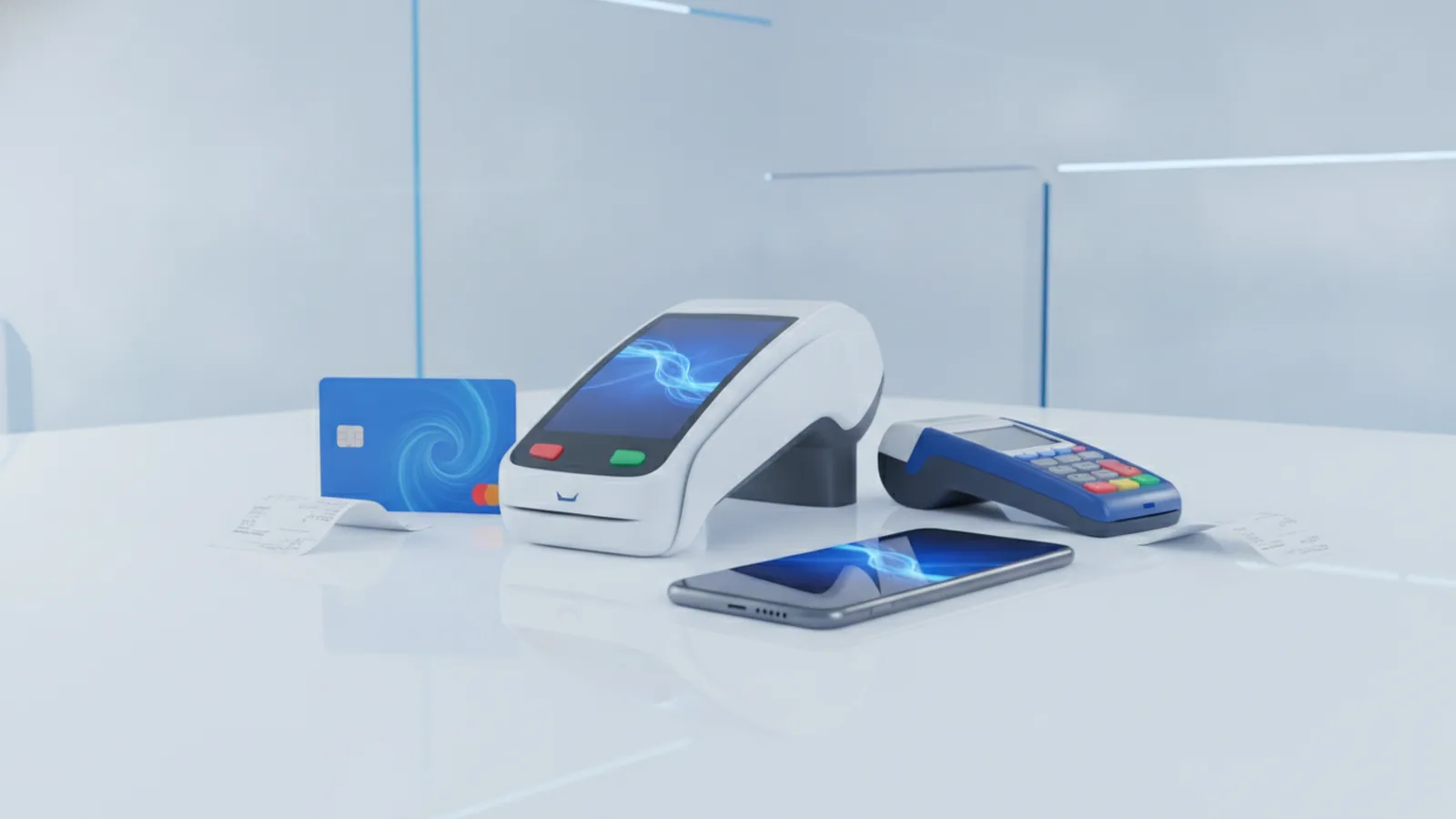
Cybersource is a payment processing platform owned by Visa. It helps businesses accept online and in-store payments across many countries.
So, what is Cybersource payment technology? It is a set of tools for taking payments, checking risk, and managing payment data. It can handle credit cards, debit cards, digital wallets, and other local methods.
Cybersource also provides a payment gateway. The gateway sends payment details between a customer, a business, and the bank that approves the payment. It protects this flow with secure data handling and checks.
How Cybersource Works
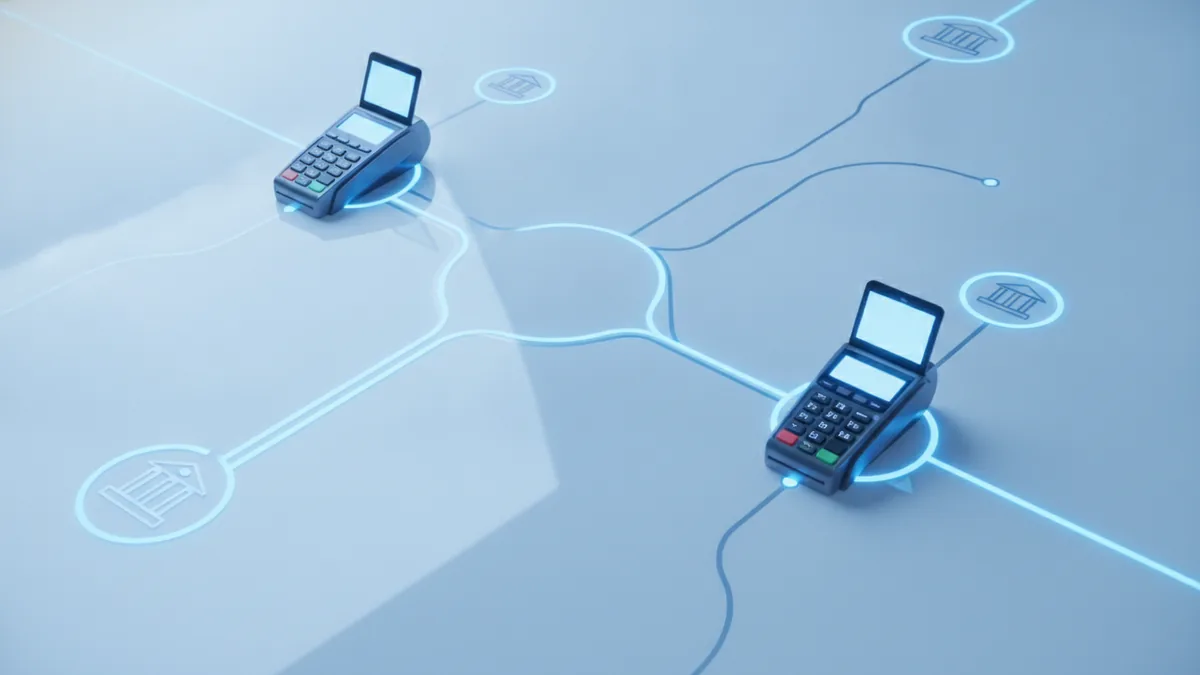
Cybersource sits between a checkout and the payment networks. A customer enters payment details or picks a stored method. The business then sends the payment request through Cybersource.
Cybersource checks the request and sends it to the right bank or payment network. The bank approves or declines the payment. Cybersource then sends that result back to the business.
This flow takes place within seconds. The platform can also support refunds, saved payment details, recurring payments, and payment reports.
Businesses can use hosted checkout pages, application programming interfaces, or ready-made shopping cart links. These choices suit different teams and technical needs.
Key Cybersource Features
Cybersource combines payment tools with risk controls and reporting. This means a business can manage more of its payment flow from one platform.
- Payment gateway: Send online payment requests to banks and card networks.
- Fraud detection: Review payment risk before approval.
- Payment reports: Track sales, refunds, declines, and payment trends.
- Multi-currency support: Accept payments in more than one currency.
- Recurring billing: Collect scheduled payments for memberships or services.
- Integration tools: Connect checkout, accounting, and order systems.
Fraud detection can use signals such as device data, order details, and past payment patterns. A business can set rules for high-risk orders. It can also send some orders for manual review.
Reports help teams find failed payments and spot changes in approval rates. They can compare results by country, payment method, or sales channel. This helps teams fix payment issues with clear data.
Which Payment Types Does Cybersource Support?
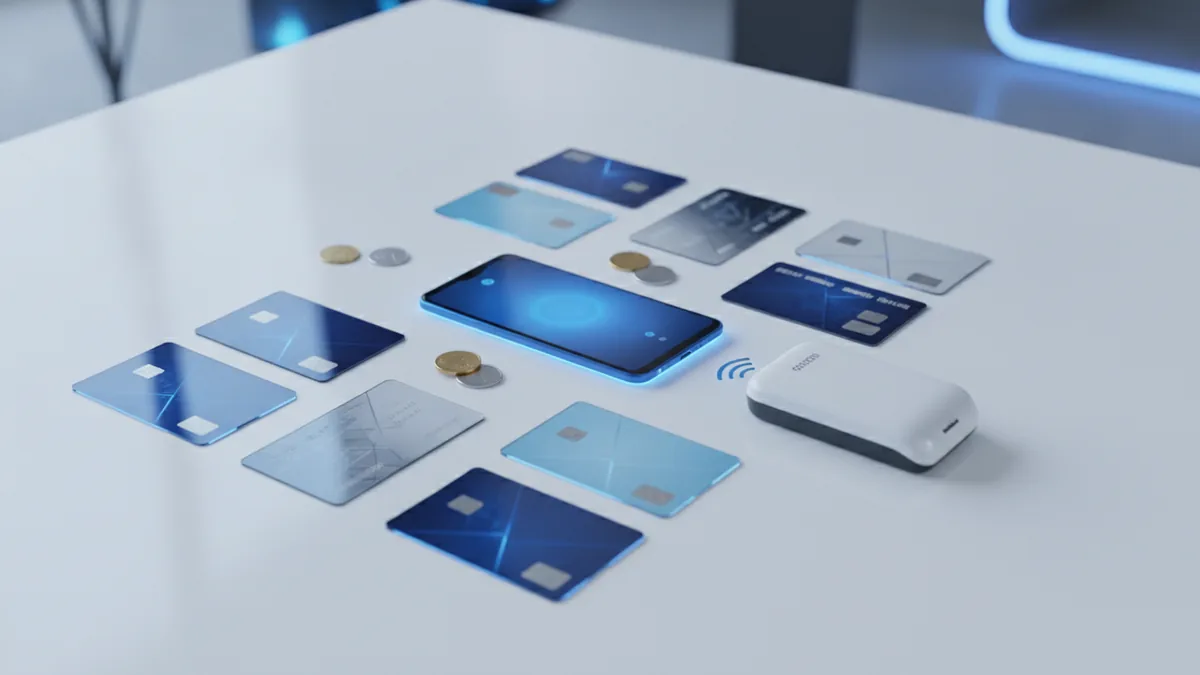
Cybersource supports common card payments from major networks. These include credit cards and debit cards. Support can vary by country, contract, and payment setup.
The platform can also support digital wallets and local payment methods. These options matter when a business sells across borders. Shoppers often trust methods they already use in their own country.
| Payment type | Common use |
|---|---|
| Credit cards | Online retail, travel, and service payments |
| Debit cards | Everyday purchases and domestic sales |
| Digital wallets | Fast checkout on phones and supported devices |
| Local payment methods | Sales in markets with different payment habits |
| Recurring payments | Subscriptions, memberships, and scheduled bills |
Cybersource can also support card payments in physical stores. A business may connect store terminals with online payment records. This gives staff a clearer view of orders and refunds.
Before launch, confirm which methods work in each target market. Check settlement currency, refund rules, and payout timing. These details can affect both cost and customer service.
Why Businesses Use Cybersource
What is Cybersource used for? Businesses use it to accept payments, lower payment risk, and manage sales data. It can serve online shops, subscription firms, travel brands, and large retailers.
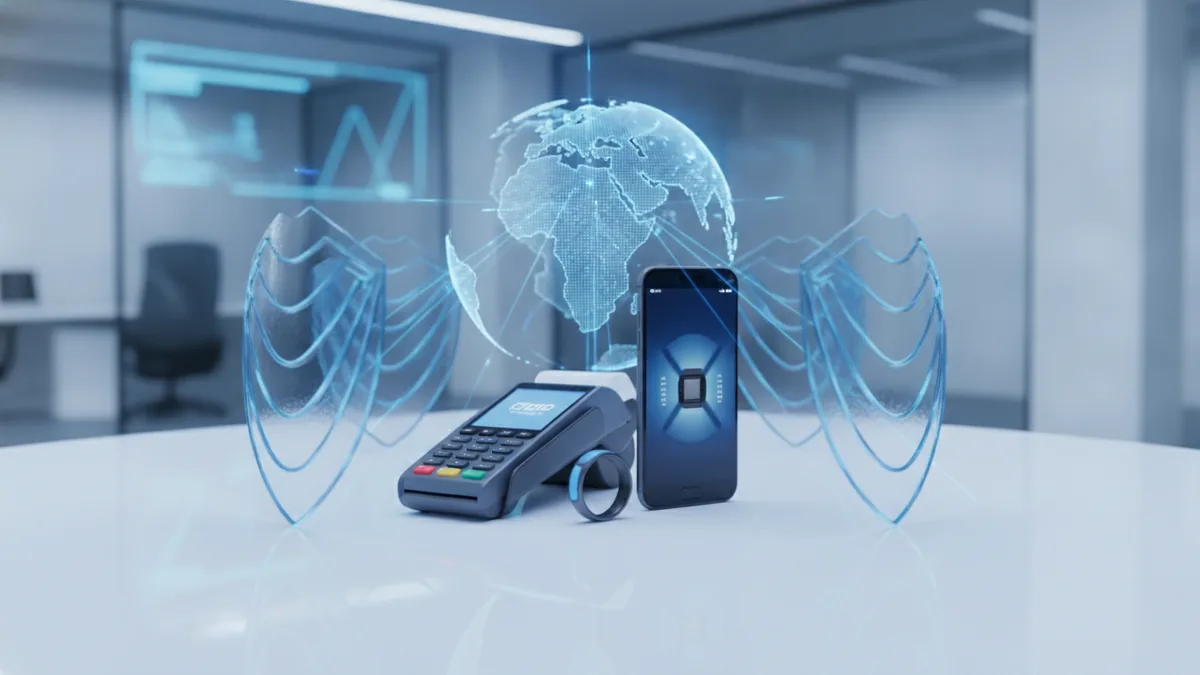
One benefit is global reach. Cybersource supports payment work across many regions. It can help firms offer local currencies and payment methods without building each bank link alone.
Another benefit is system fit. A business can connect Cybersource to its shop, billing tool, or order system. It can use an existing checkout or build a custom payment flow.
Visa states that Cybersource provides payment and risk tools for businesses around the world. Its official Cybersource overview explains its role in digital commerce.
- One payment setup can serve several sales channels.
- Risk checks can help reduce some types of payment fraud.
- Reports can show why payments fail or need review.
- Local payment support can improve checkout choice in new markets.
- High service reliability can reduce checkout downtime.
Cybersource is known for a stated 99.999% uptime level. That figure means about five minutes of downtime in a full year. Actual service terms can vary by product and agreement.

Cybersource Security and Fraud Controls
Payment security is a core part of the Cybersource offer. The platform helps move payment data through a controlled payment path. It also supports tools that reduce the need for a business to store sensitive card data.
Fraud tools can score an order before the business accepts it. A risk score is a sign of how likely an order is to be unsafe. The business can then approve, block, or review the order.
Good risk rules should protect sales as well as stop fraud. Rules that are too strict can block real customers. Teams should review false declines and adjust rules as sales patterns change.
Cybersource also supports security steps such as card checks and customer sign-in flows. The right mix depends on the market and the payment method. Businesses must still follow card network rules and local laws.
Getting Started With Cybersource
Start by listing the payment methods and countries you need. Include online sales, store sales, refunds, subscriptions, and payouts. This list will shape the best Cybersource setup.
- Choose your account plan. Work with Cybersource or a partner to confirm regions and payment methods.
- Pick an integration path. Choose hosted checkout, a shopping cart link, or a custom API connection.
- Set payment rules. Add fraud checks, review steps, refund rules, and currency settings.
- Test key cases. Test approved payments, failed payments, refunds, repeat billing, and chargebacks.
- Track early results. Watch approval rates, checkout errors, fraud alerts, and payout records.
Use a test account before taking real payments. Test both normal orders and edge cases. A failed refund can create more work than a failed sale.
Connect reports to your finance process from the start. Match payment records with orders and bank payouts. Clear matching makes month-end work faster and helps find missing funds.
Cybersource can be a strong fit for firms that need global payment reach. It combines a gateway, fraud detection, reports, and integration tools. The best setup depends on your markets, payment mix, and checkout design.
For technical teams, Visa also provides Cybersource developer documentation for integration guides and API details.
Frequently asked questions
What is Cybersource?
Cybersource is a payment platform owned by Visa. It helps businesses accept payments, manage payment data, and review fraud risk.
What is Cybersource payment?
Cybersource payment is the process of using its gateway and tools to accept online or in-store payments. It can support cards, wallets, and local payment methods.
What is Cybersource as a Visa solution?
Cybersource is a Visa solution for payment acceptance and payment risk control. It serves businesses that sell across one or more markets.
What does Cybersource do?
Cybersource sends payment requests to banks and payment networks. It can also handle refunds, reports, recurring payments, and risk checks.
What is a Cybersource payment gateway?
A Cybersource payment gateway links a checkout with the bank or payment network. It sends payment data through a secure approval flow.
What is Cybersource used for?
Businesses use Cybersource to accept payments, support many currencies, connect sales systems, and detect risky orders. It can support both online and store payments.