Crypto Payment Solutions: Platforms and Processing
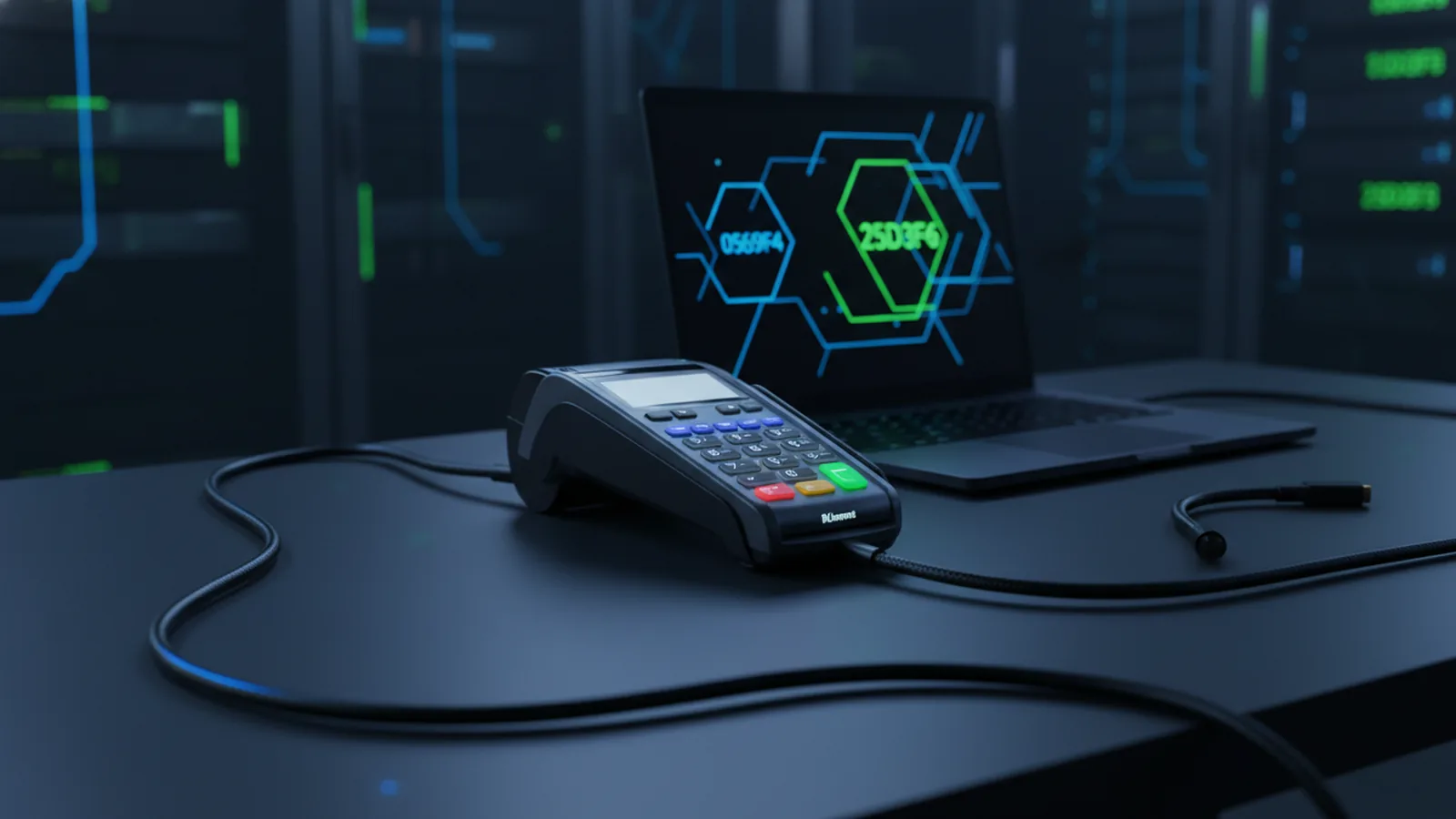
What crypto payment solutions are and how they fit together
Crypto payment solutions let merchants accept blockchain payments for goods and services. The flow usually starts with a customer sending crypto to a merchant-controlled address or payment page. Your system then tracks the payment, confirms network settlement, and triggers the next business step. This can be a fulfillment workflow, a receipt, or a payout to your treasury team.
A complete crypto payment platform is more than a wallet address. It includes payment tracking, safe handling of price volatility, and reconciliation records. Many offerings also include fraud checks and risk rules. For larger merchants, the platform becomes the core payment system for both online and in-person sales.
There are also different service models. Some crypto payment processors focus on routing and settlement. Others position themselves as crypto payment service providers that manage compliance-ready flows and reporting. The best fit depends on your stack, your geography, and how much control you need.
Crypto payment processing: the common transaction lifecycle
Crypto payment processing is the set of steps that turns a blockchain transfer into an accounted merchant payment. Even if the customer sees a simple checkout, the backend usually does much more. The system checks network details, verifies confirmations, and matches the payment to an order. It then records status changes for your finance and ops teams.
Here is a typical lifecycle used by crypto payment platforms:
- Payment request: The customer is given an amount and a destination. Many systems also show a payment reference.
- Network detection: The backend monitors the chain for incoming funds. It links the transfer to an order.
- Confirmation policy: The system waits for a safe number of confirmations. The target depends on the coin and your risk tolerance.
- Status updates: Your checkout and order management get “received” and “confirmed” states.
- Accounting and reconciliation: The platform produces records for reporting. It can include fiat value snapshots.
Volatility handling matters in this stage. Many crypto payment processing companies offer instant conversion rules or fixed-rate windows. This helps you avoid unexpected revenue changes. It also reduces disputes when customers pay at a different fiat value than expected.
For teams that need full control, a crypto payment api can expose each status event. That lets you build custom dashboards and internal workflows. It also makes audits easier, because your data is driven by explicit events.
Choosing a crypto payment platform for your business
When you compare crypto payment providers, focus on how the platform helps you run payments, not just accept them. First, check how they handle order matching and payment states. If your platform can’t reliably link transfers to orders, your operations will suffer.
Next, look at currency support and price logic. Ask how the crypto payment system calculates the amount shown at checkout. Also ask how it handles rapid price movement during the payment window. A good platform will make the rules clear and configurable.
Then evaluate integration options. Some merchants use a plugin, while others wire a crypto payment api into their checkout. Ecommerce crypto payment often works best with well-tested plugins for common storefronts. Larger operators may prefer API-first integration for tighter control.
Use this comparison table as a quick checklist:
| Platform need | What to ask | Why it matters |
|---|---|---|
| Status and reconciliation | What events are sent and how is matching done? | Orders stay consistent across finance and ops. |
| Volatility rules | Do you support rate windows or conversion snapshots? | Revenue aligns with your pricing model. |
| Fraud controls | Which risk checks are built in? | Helps block scams and charge disputes. |
| Integration fit | Do you offer a plugin or a payment api? | Reduces build time and integration risk. |
| Reporting | Can you export ledgers and payment trails? | Audits and tax work become easier. |
Finally, consider support and change management. Payment systems need fast incident response. Look for a team that can help with upgrades, network issues, and partner coordination.
Crypto payment API, plugin, and terminal options
Most teams land on one of three integration paths. A crypto payment api is best when you want custom checkout flows. A crypto payment plugin is best when you want speed and fewer moving parts. A crypto payment terminal is best for in-person use, like retail counters or pop-up events.
An API-first crypto payment platform usually lets you control creation, status polling, and webhooks. This supports custom UIs and advanced order logic. It also helps when you need a special checkout for B2B invoices or complex fulfillment rules. Make sure the api includes clear error codes and idempotency handling. That prevents duplicate orders when network calls retry.
A plugin integration often comes with ready-made forms and callbacks. This can speed up ecommerce crypto payment for standard setups. Still, confirm that the plugin supports the same status details and reporting as the core platform. Otherwise, you may integrate checkout but lose visibility later.
For physical locations, a crypto payment terminal bridges hardware and payment routing. The terminal setup should support secure flows and reliable confirmation tracking. You should also test how it behaves when the network is slow. In-person payments fail differently than online payments, because the customer expects quick outcomes.
- API: Best for custom checkout and advanced workflows.
- Plugin: Best for quick ecommerce crypto payment rollout.
- Terminal: Best for retail and on-site acceptance.
If you are choosing between these, map the decision to your operational model. Do you need custom pricing windows? Then lean toward the api. Do you need fast time to launch? Then lean toward the plugin. Do you need in-person acceptance? Then lean toward the terminal.
How crypto payment processors handle security and fraud prevention
Crypto payments need extra care because blockchain transactions are hard to reverse. That makes fraud prevention a core part of any crypto payment processing company. Look for controls that reduce risks before funds move. Also look for monitoring after funds arrive.
Practical risk controls often include address and order checks. Platforms may validate amounts and references. They may also rate-limit payment attempts. A strong crypto payment system also flags suspicious patterns, like rapid retries or mismatched payment confirmations.
Fraud prevention systems should also produce evidence for disputes. Ask what logs and reports they keep. You want an audit trail that shows when an order was created, when payment was detected, and when it was confirmed. This is critical for support teams and for finance reconciliation.
Additionally, confirm how the provider manages network volatility. If the platform allows delayed confirmations, it should explain the policy. It should also show how users and merchants are informed about “pending” states. This avoids both user confusion and internal over-fulfillment.
At finglobalsoft.com, the focus is building reliable payment infrastructure that scales. We support custom payment software and technical support. We also design fraud prevention systems that fit the real workflows of a merchant team.
What to ask when selecting a crypto payment service provider
Choosing a crypto payment service provider is easier when you ask concrete questions. Start with integration scope. Confirm whether you need a crypto payment api, a crypto payment plugin, or a crypto payment terminal. Then verify how fast you can go live and what support is included.
Next, ask about crypto payment processing and status reporting. You want clear definitions for “received” and “confirmed.” You also want predictable webhooks or callbacks. This affects how your order system behaves and how your team reconciles payments.
Then look for evidence of reliability. Ask how they monitor network health. Ask how they handle temporary chain delays. Also ask how they prevent double-credit when retries happen. These are the details that separate crypto payment processors from “it works in demos” providers.
Finally, confirm compliance-ready operations and operational responsibilities. Even if you handle your own compliance program, the provider should support rule-driven reporting. Ask what data is exported for audits. Ask if they help with risk checks and charge dispute evidence.
- Integration: api, plugin, or terminal?
- Processing: confirmation policy and status events?
- Risk: built-in fraud checks and monitoring?
- Ops: reliability, logs, and support response?
- Reporting: exports for reconciliation and audits?
Once you have answers, run a pilot with real order flows. Use test payments that match your production amounts. Then measure how your team handles pending and confirmed states. This will reveal gaps before you scale ecommerce volume.
Best practices for ecommerce crypto payment and rollout
Ecommerce crypto payment succeeds when checkout is clear and backend states are consistent. At checkout, show the payment amount logic. Explain if the rate is locked for a time window. This reduces support tickets and customer confusion.
On the backend, set order rules for each payment state. For example, you might allow fulfillment only after a “confirmed” status. You may also choose to grant partial service after “received,” depending on your risk policy. The crypto payment platform should give you the data to implement those rules safely.
Plan for customer communication. Even the best crypto payment systems can face slow blocks. Your UI should reflect that reality. A good platform helps by sending status updates promptly so you can keep customers informed.
Finally, track operational metrics. Measure the average confirmation time. Measure how often payments arrive with mismatched amounts. Then tune your confirmation policy and amount window. Over time, your crypto payment processing becomes smoother and more predictable.
Featured focus: building a scalable payment infrastructure
If you need a crypto payment system that fits your business, think about custom payment software and integration depth. Many merchants start with a plugin and later move to an api for more control. That path is easier when the provider shares the same core payment logic across integrations.
With finglobalsoft.com, you can combine a platform approach with custom engineering. That means your checkout, reconciliation, and fraud prevention systems stay aligned. It also helps you scale new markets without rebuilding everything.
Frequently asked questions
What are crypto payment solutions used for in ecommerce?
They help merchants accept crypto at checkout, track the payment on-chain, and update orders when funds confirm. They also provide reconciliation records for finance teams.
How does crypto payment processing match a payment to an order?
Most systems attach an order reference and monitor incoming transfers. They then link the detected transfer to your order and emit status updates.
Do I need a crypto payment api or a crypto payment plugin?
Choose an api for custom checkout and workflows. Choose a plugin for faster ecommerce crypto payment with fewer integration steps.
What should I check before using crypto payment processors?
Verify status events, confirmation policy, reporting, and fraud controls. Also test reliability under slow network conditions before full rollout.
Can a crypto payment system handle price volatility?
Many platforms use rate windows or conversion snapshots. This helps keep your displayed totals aligned with real receipt logic.
What makes a crypto payment service provider reliable?
Look for operational support, clear logs, and consistent event delivery. Strong fraud prevention systems also reduce risk after launch.